



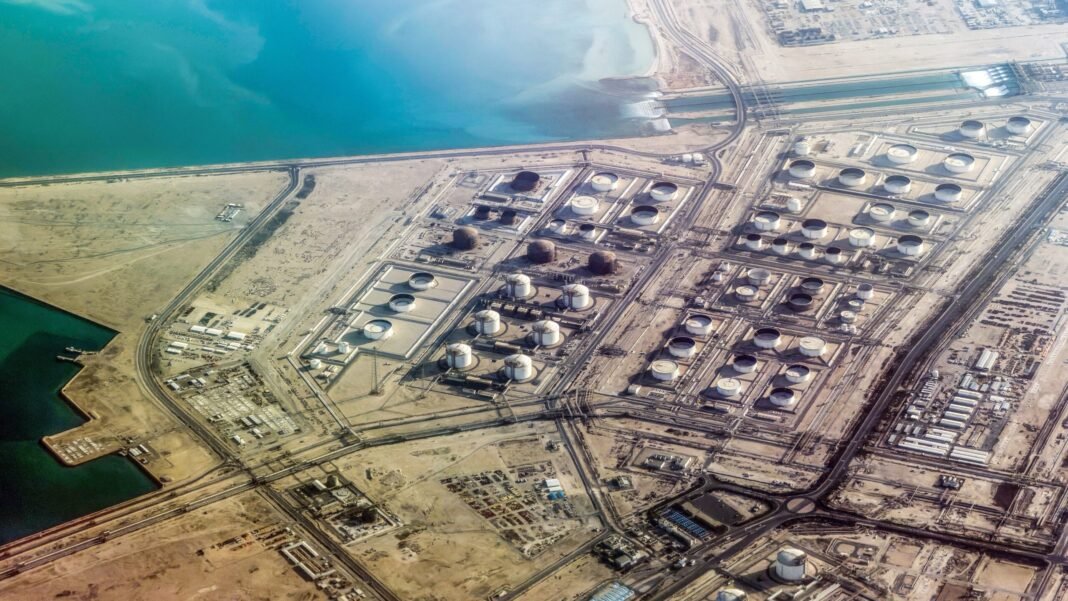
Qatar LNG capacity faces a major disruption after attacks damaged facilities at Ras Laffan. Qatar says the damage removed about 17 percent of its LNG capacity. However, repairs could take as long as three years for two affected LNG trains. Meanwhile, disruptions around the Strait of Hormuz continue to affect Qatar’s energy operations. The situation also creates uncertainty around Qatar’s major LNG expansion plans.
QatarEnergy expects the first train of its North Field East expansion to begin production. The company currently expects that start during the first half of 2027. However, further expansion trains could face delays if Hormuz disruptions continue. Equipment required for the projects remains unable to reach Qatar because of transport restrictions. As a result, the timing for some planned production increases remains uncertain.
Energy Minister and QatarEnergy Chief Executive Saad al-Kaabi discussed the situation during an economic forum in New York. He said several expansion trains should begin operating during 2027. Meanwhile, the North Field South expansion remains scheduled to start production in 2028. Nevertheless, continued shipping problems could affect equipment deliveries and project schedules.
The damage at Ras Laffan has created another challenge for Qatar’s energy sector. According to Kaabi, attacks damaged two LNG trains at the major export facility. Repairs for those trains could take up to three years to complete. In addition, an affected gas-to-liquids plant could finish repairs during the first quarter of 2027. Therefore, Qatar faces a lengthy recovery process across several energy facilities.
Despite the damage, Qatar expects its gas operations to recover quickly after Hormuz reopens. Kaabi said normal gas operations could resume within weeks after shipping routes reopen. However, Qatar currently produces very little LNG because of the disruption. Consequently, the country must manage reduced production while addressing damage at its export infrastructure.
Qatar LNG trading operations are also continuing despite the production challenges. Kaabi said QatarEnergy continues to expand its LNG trading business internationally. He expects the company to become the world’s largest LNG trader by a wide margin. This strategy could help Qatar maintain a strong role in global gas markets. At the same time, reduced domestic production remains a major challenge for the company.
Qatar also has interests in the Golden Pass LNG project in Texas. QatarEnergy operates the project with Exxon Mobil through a joint venture. The project shipped its first LNG cargo in April after production began in March. The second and third trains should become fully operational during 2027. Once all trains operate, Golden Pass should produce about 18 million metric tons annually.
Meanwhile, Qatar has considered alternatives to Hormuz for energy exports. Neighboring countries have offered access to their territories for potential pipeline routes. However, Qatar rejected those options after considering commercial and technical factors. The decision leaves Hormuz as a critical route for Qatar’s LNG exports. Therefore, continued disruption could keep pressure on the country’s energy supply chain.
Qatar LNG expansion plans now face an uncertain operating environment. The country still expects major production growth from its North Field projects. However, equipment delays and damaged infrastructure could affect the pace of that growth. Furthermore, the lengthy repair timeline adds pressure to existing production capacity. Qatar’s response will therefore remain closely connected to developments around the Strait of Hormuz.