



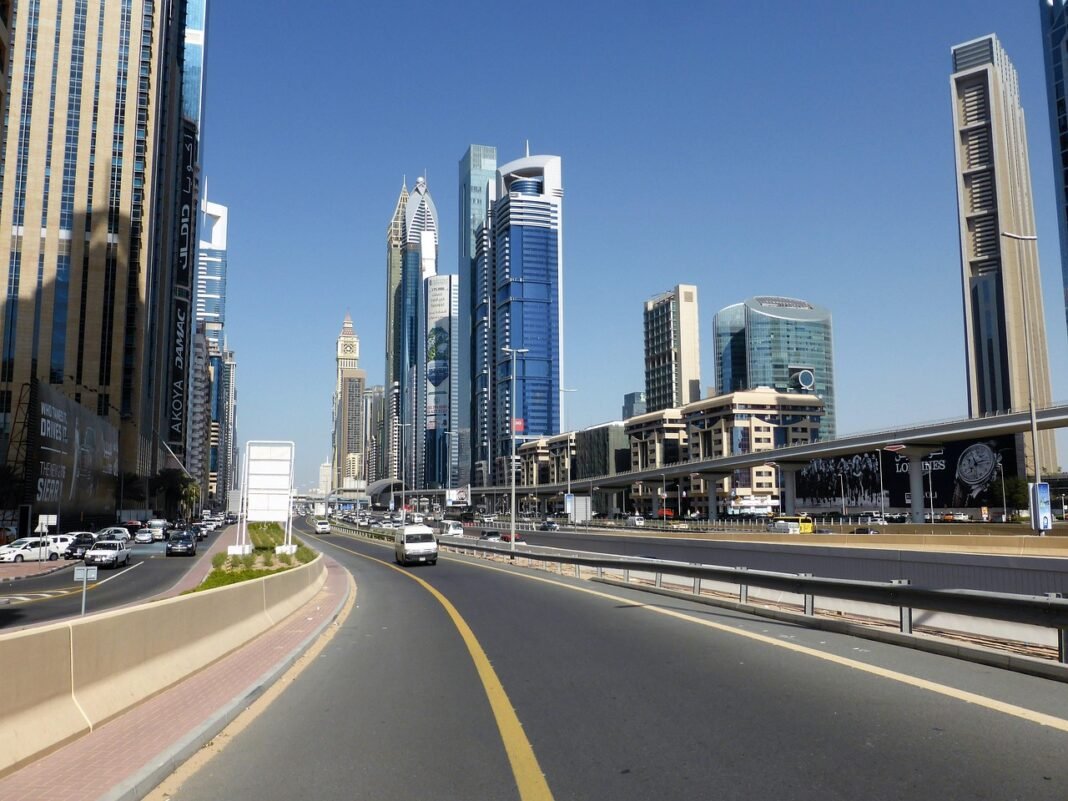
Fourth Corridor plans are attracting UAE property developers as the new highway could reshape real estate demand. The 80-kilometre route will connect Sharjah, Dubai and Abu Dhabi. It could also improve access to areas that currently face longer travel times. As a result, developers expect new opportunities for residential and commercial projects. The road could also support communities near major transport and economic hubs.
The Fourth Corridor represents a new strategic road connection across the UAE. Authorities announced the project in September 2026 as another major link between the emirates. The route will form a fourth strategic transport axis across the country. It follows Sheikh Zayed Road, Sheikh Mohammed bin Zayed Road and Emirates Road.
The project will develop in two phases to serve growing populations along its route. The first phase could serve around 600,000 people. The second phase could eventually serve about 3.1 million people. Therefore, developers see significant potential in areas surrounding the planned highway.
Reportage Group has already secured a large site near the planned route in Abu Dhabi. The company acquired a plot covering almost 750,000 square metres. Its current plans include roughly 3,800 residential units. The developer expects to launch the project around 2027 or 2028. Andrea Nucera, the company’s group managing director, discussed the plans during a property event.
He said the UAE housing market has changed considerably during the past 18 months. Developers previously experienced extremely strong demand across many new launches. However, market conditions have since moved closer to more normal levels. Despite that shift, he said sales activity remains strong compared with several other markets.
The new road could also reduce travel times across important parts of the UAE. Some journeys could become significantly shorter after the corridor opens. One planned section could reduce a 35-minute journey to around 14 minutes. Consequently, better connectivity could make emerging areas more attractive to residents. It could also encourage businesses to consider locations outside established property districts. Investors may also look more closely at communities near the new route. However, developers still need to consider supply, amenities and local demand.
Pantheon also sees infrastructure as an important factor in real estate decisions. Chairman Kalpesh Kinariwala said connectivity can influence where people choose to live and work. The corridor will connect with Dubai-Al Ain Road and areas around Al Maktoum International Airport. It will also improve access to other major growth areas. Furthermore, links with Etihad Rail could strengthen the wider transport network. These connections could support new residential and mixed-use developments along the route.
The Fourth Corridor could therefore create fresh growth areas as the UAE expands. Developers may seek sites before surrounding communities become fully established. Early investment could allow companies to build projects around future transport connections. At the same time, developers must assess how quickly demand develops in each location.
Better roads alone cannot guarantee higher rents or stronger property values. The quality of projects will remain important for attracting residents and investors. Amenities, employment opportunities and services will also influence demand.
Developers are increasingly looking beyond the UAE’s established property districts. Dubai continues to expand toward eastern and southern areas as demand grows. New infrastructure can support this expansion by improving access between major destinations.
Meanwhile, Abu Dhabi and Sharjah could benefit from stronger regional connections. The new highway could encourage greater movement between residential, commercial and employment centers. Therefore, the project may influence development decisions across several parts of the country.
Overall, the Fourth Corridor could reshape the UAE’s property landscape over the coming years. Developers already see opportunities around locations connected to the planned highway. The route could improve accessibility and support new communities across its 80-kilometre network. At the same time, market fundamentals will continue to determine the success of individual projects. As construction and infrastructure plans advance, developers will likely continue monitoring emerging locations.

