



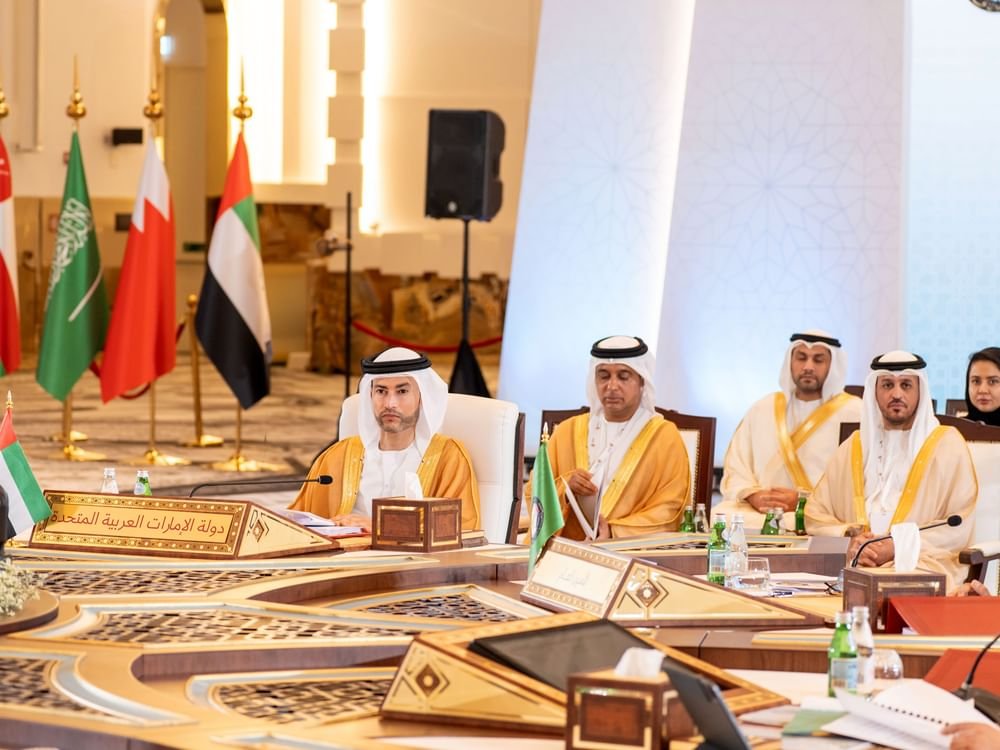
GCC economic cooperation took center stage as Gulf finance ministers met in Bahrain to discuss regional financial coordination. The meeting brought together finance ministers from GCC member states. They reviewed several initiatives aimed at supporting stronger economic ties across the region. They also considered regional developments and their possible effects on Gulf economies.
Saudi Finance Minister Mohammed Al-Jadaan led Saudi Arabia’s delegation at the meeting. Bahrain hosted the 126th meeting of the Financial and Economic Cooperation Committee. Bahrain’s Minister of Finance and National Economy chaired the gathering. GCC finance ministers and the GCC secretary general also attended the meeting.
The discussions covered several areas linked to financial and economic integration. In particular, the ministers reviewed progress within the GCC Customs Union. They also considered the latest monitoring report on the Gulf Common Market. These initiatives remain important for improving economic links between member states.
Furthermore, the ministers examined developments affecting the wider region. They discussed how these developments could influence GCC economies. They also considered ways to improve coordination between member states. Stronger coordination could help governments respond more effectively to changing economic conditions.
The meeting also highlighted the importance of continued regional integration. GCC states have worked for years to improve economic cooperation. These efforts cover trade, customs, investment and financial policies. In addition, common economic frameworks can support smoother movement across Gulf markets.
The ministers also joined a separate meeting with GCC central bank governors. International Monetary Fund Managing Director Kristalina Georgieva attended that discussion. The meeting focused on economic resilience and policy challenges. It also examined the effects of geopolitical shocks on economies.
The IMF paper discussed during the meeting addressed economic prospects and policy challenges. It focused on improving resilience against geopolitical disruptions. Such disruptions can affect trade, investment, energy markets and financial conditions. Therefore, Gulf policymakers continue to monitor external risks closely.
Meanwhile, the discussions reflected the GCC’s broader focus on economic stability. Gulf economies continue to expand beyond traditional sources of revenue. Governments are developing new industries and attracting investment across multiple sectors. As a result, regional coordination has become increasingly important.
GCC economic cooperation can also support businesses operating across national borders. Better customs procedures can reduce delays for companies and traders. Common market initiatives can also improve access to regional opportunities. These measures may strengthen connections between businesses and consumers.
At the same time, financial coordination can help GCC states respond to global changes. International markets remain sensitive to geopolitical developments and economic policy shifts. Therefore, governments need reliable channels for regular consultation. The latest meeting provided another platform for that coordination.
The ministers’ discussions also showed the importance of monitoring progress. Regional initiatives require continued cooperation between governments and financial institutions. Regular reviews can help identify challenges and improve implementation. They can also keep economic integration efforts aligned with changing market conditions.
The meeting in Bahrain therefore covered both long-term integration and current risks. GCC officials reviewed existing economic initiatives while examining regional developments. They also discussed resilience in response to external shocks. These discussions underline the continued role of coordinated economic policy.
GCC economic cooperation remains a central part of the region’s economic agenda. The latest meeting brought together senior officials to review shared priorities. Their discussions covered customs integration, common market progress and economic resilience. The GCC states will continue coordinating as regional and global conditions evolve.

