



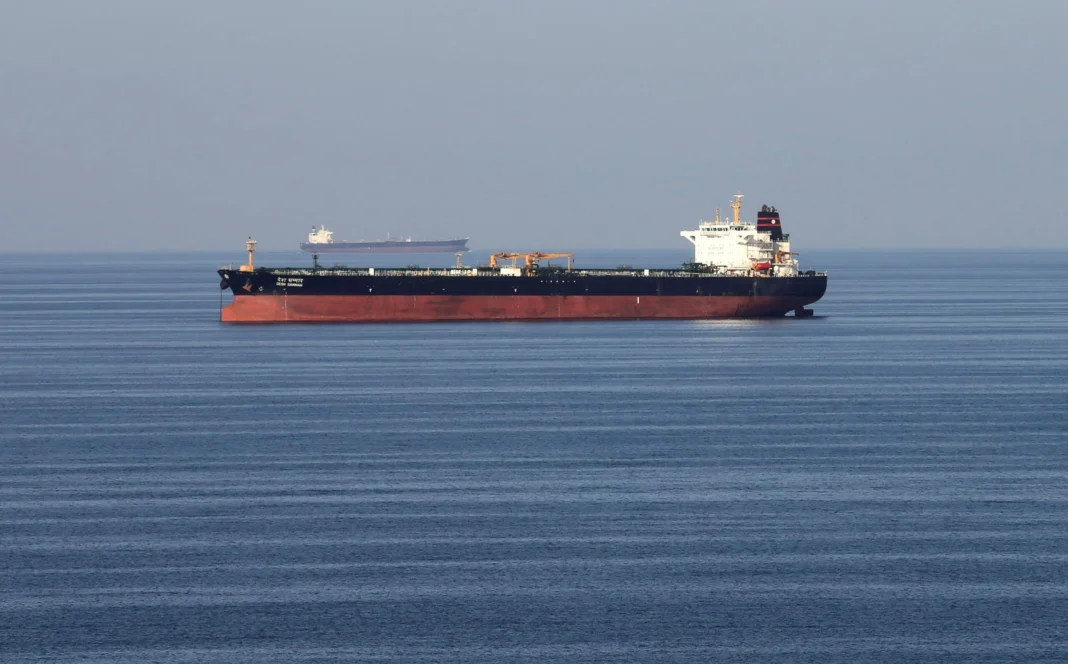
Oil exports from the Middle East moved above pre-war levels during several days in late September. Regional crude shipments reached as much as 22.5 million barrels per day during that period. However, tanker attacks around the Strait of Hormuz continued to create major risks for shipping companies. The latest figures show that energy flows have recovered despite ongoing security concerns.
Regional crude exports exceeded pre-war levels on September 24 and from September 27 through September 29. Daily shipments ranged between 19.5 million and 22.5 million barrels during those days. Before the conflict began, regional crude exports averaged about 18 million barrels daily. That average covered the period from March 2025 through February 2026.
The latest shipping data also showed continued growth in regional energy movements. The seven-day average for crude exports reached 18.5 million barrels per day on October 1. This figure included shipments through the Strait of Hormuz and the Red Sea. It also covered terminal exports and ship-to-ship transfers near the Gulf of Oman.
Meanwhile, total shipments showed a broader recovery across several energy categories. Crude oil, refined products, chemicals and non-gas liquids averaged 22.4 million barrels daily. The figure covered the seven days ending September 30. In addition, liquefied natural gas cargoes through the Strait of Hormuz reached their highest monthly level since February.
However, the shipping figures do not capture every vessel crossing the strategic waterway. Some vessels may have switched off their tracking systems while moving through the strait. Therefore, the actual volume of traffic could differ from the reported figures. Analysts continue to monitor shipping movements as vessels navigate increasingly uncertain conditions.
The Strait of Hormuz remains a crucial route for global energy markets. Before the conflict began, around 125 large commercial vessels crossed the strait each day. These vessels included oil tankers, gas carriers, bulk ships and container vessels. The waterway normally handles about one-fifth of global daily crude oil and LNG supplies.
Despite stronger oil exports, attacks on tankers have continued around the region. Shipping intelligence reports identified at least seven incidents involving vessels near the Strait of Hormuz. One recent incident involved the very large crude carrier Kazimah III. The vessel reportedly suffered a projectile strike on October 1 while operating in the strait.
The incident caused a fire onboard the tanker, according to shipping information. All crew members reportedly remained safe before authorities evacuated them from the vessel. The tanker had previously transported about two million barrels of Kuwaiti crude. It had discharged that cargo at Oman’s Ras Markaz port on September 17.
Security concerns have increased as shipping activity has recovered. Maritime authorities reported at least one attack each day since October 2. The incidents occurred around the Strait of Hormuz or within the Gulf of Aden. Consequently, shipping companies face additional challenges while planning routes through these important trade corridors.
Recent assessments also describe a more unpredictable security environment for commercial vessels. The increased traffic could raise exposure for ships moving through areas of concern. Some assessments suggest that incidents may not involve individually selected merchant vessels. Instead, missiles could enter designated areas and respond to radar signals from vessels nearby.
This possibility could affect how shipping companies assess risks along the route. Operators may need to consider vessel movements, security information and changing conditions before entering the strait. At the same time, energy companies continue moving large volumes through regional export terminals. The combination of stronger shipments and higher security risks creates a complex outlook for global energy markets.
Oil exports have therefore returned close to, and sometimes above, earlier levels. Yet the security situation remains an important concern for traders and shipping operators. Any disruption around the Strait of Hormuz could affect crude supplies and transportation costs. For now, regional shipments continue despite the attacks and growing uncertainty around the key maritime route.
Overall, Middle Eastern energy exports have shown resilience during a period of elevated shipping risks. Crude volumes exceeded pre-war levels on several days in late September. LNG movements also reached their strongest monthly level since February. However, continued attacks could still influence shipping activity and energy markets in the weeks ahead.

