



Iraq has announced a major Iraq economic stimulus package worth about IQD 3.5 trillion, or $2.7 billion. The plan targets housing, industry, agriculture, government contractors, and long-term national savings. Moreover, the measures aim to increase liquidity and support productive activity across several important sectors. Officials also want banks and government institutions to implement the measures quickly.
The government approved the package during a meeting chaired by Prime Minister Ali al-Zaidi. The meeting brought together the finance minister, the Central Bank governor, and senior government advisers. In addition, leaders from government and private banks joined discussions about financing and economic activity. Together, officials reviewed several measures designed to strengthen financial flows across the economy.
First, the government will direct IQD 1 trillion toward real estate and housing activities. The funding will come from existing Central Bank initiatives that already support economic financing. Consequently, banks can expand lending for housing projects and related real estate activity. The measure could also improve access to financing for households and businesses operating within the sector.
Meanwhile, another IQD 1 trillion will strengthen liquidity at two state-owned financial institutions. The Trade Bank of Iraq and Industrial Bank will receive the additional funding. Therefore, both institutions can increase financing for industrial projects and productive businesses. This step also aims to encourage investment and support companies that contribute to domestic economic production.
Furthermore, the government has allocated IQD 500 billion for outstanding contractor payments. The Ministry of Finance will use the funds to address unpaid obligations owed to contractors. As a result, construction companies and other suppliers can receive funds linked to completed government work. The payments could also improve cash flow for businesses that depend heavily on public projects.
At the same time, authorities have allocated another IQD 500 billion to farmers. The funding will clear outstanding agricultural dues and provide support to the farming sector. Consequently, farmers can recover payments while maintaining their operations and preparing for future production. The measure also reinforces the government’s focus on supporting agricultural activity alongside industrial development.
In addition, the package includes IQD 500 billion for the Generations Fund. This allocation will increase the fund’s balance to approximately IQD 1.5 trillion. The government uses the fund as part of its broader approach to long-term financial planning. Therefore, the latest contribution adds another element to the wider economic support program.
The combined measures give the Iraq economic stimulus package several distinct financing channels. Housing receives substantial support, while industry gains additional liquidity through state-owned banks. At the same time, contractors and farmers receive funding that addresses existing financial obligations. The Generations Fund also receives new resources, creating a longer-term component within the overall package.
Prime Minister Ali al-Zaidi urged government institutions to move quickly on the approved measures. He also called for close coordination between the Finance Ministry, Central Bank, and participating banks. Such coordination should help authorities direct funding toward the intended sectors without unnecessary delays. Moreover, officials can track implementation and respond to financing requirements as projects progress.
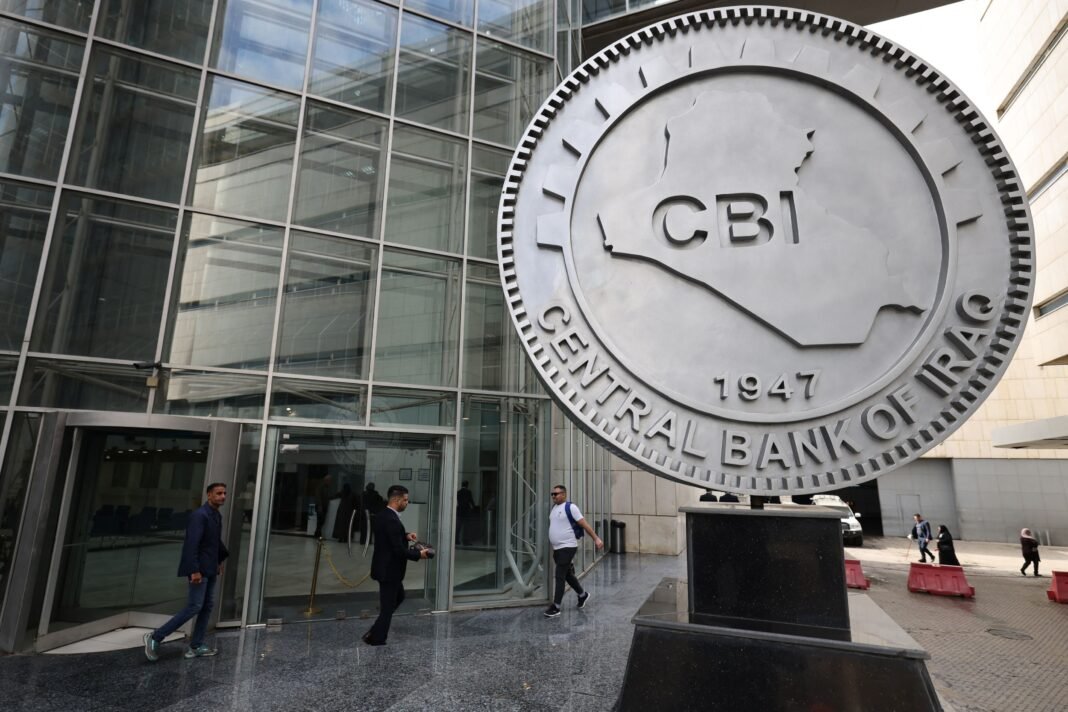
The Central Bank also confirmed its readiness to support financial stability. It said the banking system requires an appropriate monetary and financing environment to sustain economic activity. Consequently, banks will play an important role in transferring the stimulus measures into real economic activity. Their lending capacity could influence how quickly businesses, households, and producers benefit from the new funding.
Overall, the Iraq economic stimulus package represents a broad effort to support several areas simultaneously. The housing allocation targets real estate activity, while industrial financing focuses on productive investment. Contractor payments can improve business liquidity, and agricultural funding can strengthen farmers’ financial position. Meanwhile, the Generations Fund allocation adds a longer-term savings element to the government’s economic strategy.
The package totals around IQD 3.5 trillion across its announced measures. Officials now face the task of coordinating implementation across ministries, banks, and economic institutions. Effective execution will determine how quickly the allocated funds reach businesses, households, farmers, and other beneficiaries. Therefore, the coming period will focus on converting the announced financial commitments into measurable economic activity.