



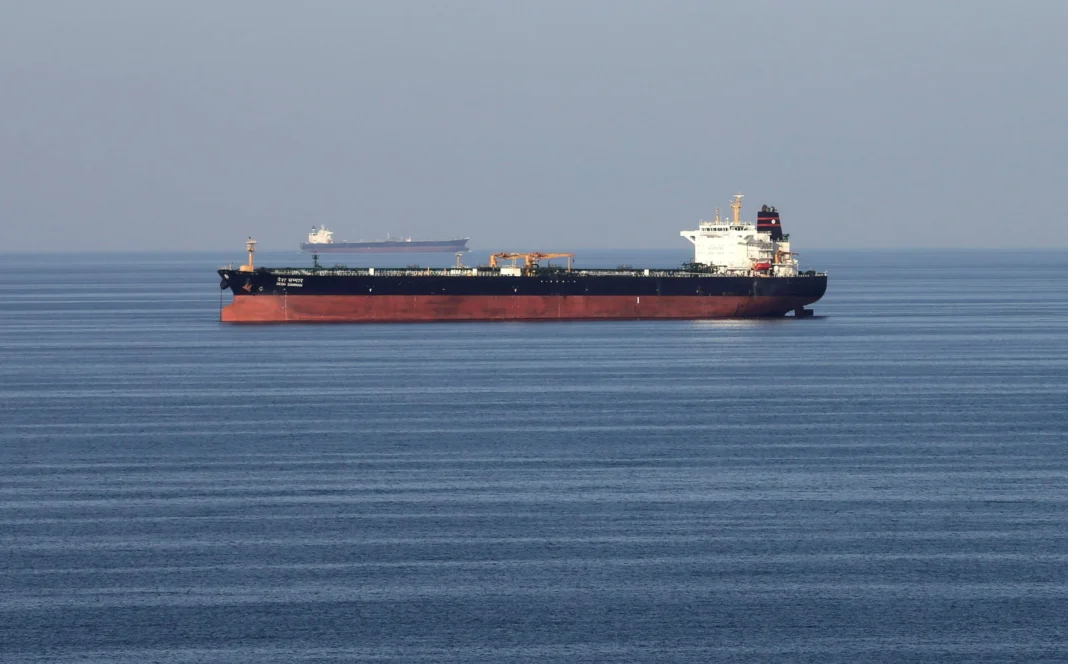
Gulf oil discounts are growing as producers try to attract buyers despite rising shipping costs and regional risks. Saudi Arabia and Iraq have offered significantly lower prices for some crude shipments. Meanwhile, buyers continue facing higher costs when moving oil through the Gulf. As a result, pricing strategies now play a bigger role in regional oil trade.
Saudi Arabia has offered Asian buyers a discount of around $5 per barrel for November crude. The discount represents one of the country’s largest reductions in recent years. Meanwhile, Iraq has offered even deeper reductions for some Basrah crude grades. Basrah medium and heavy crude currently carry discounts of $34.50 and $37.
The differences reflect the challenges facing Gulf producers and their customers. Saudi Arabia has several options for moving crude outside the Strait of Hormuz. However, Iraq relies heavily on Basra for its oil exports. Therefore, Iraqi crude buyers face greater risks when collecting shipments.
Oil prices have also increased sharply compared with last year’s levels. The Dubai benchmark averaged around $69 per barrel during the previous year. However, the benchmark recently traded near $100 per barrel. Consequently, discounted Gulf crude can offer buyers a substantial price difference.
Yet lower crude prices do not remove transportation challenges. Tanker charter rates have climbed sharply since the regional conflict began. Rates can now reach around $30 per barrel for some shipments. That level stands roughly six times above pre-conflict freight costs.
Shipping companies have also faced increased risks around the Strait of Hormuz. Several vessels have reportedly suffered attacks during the month. Consequently, many operators have avoided routes through the strategic waterway. Companies willing to operate there now demand much higher premiums.
These costs place additional pressure on buyers purchasing crude on a free-on-board basis. Under this arrangement, buyers usually cover transportation costs after purchasing the oil. Therefore, cheaper crude can help offset some of the expensive freight charges. Gulf oil discounts may consequently become increasingly important for buyers.
Saudi Arabia has also increased its oil exports after earlier disruptions. August production reached its lowest monthly level since 1990. However, Saudi exports later climbed to around 8.5 million barrels per day. That level exceeded the country’s average exports before the conflict.
The increase followed improvements in several export routes and infrastructure. Saudi Arabia also restored operations along an important pipeline route. The East-West Pipeline reportedly reached a capacity of 5.8 million barrels per day. Consequently, the country now has greater flexibility when moving crude to international markets.
Higher export volumes could explain part of Saudi Arabia’s pricing strategy. Producers may want to ensure buyers can absorb additional crude supplies. Lower prices can also encourage customers to accept higher transportation costs. Therefore, discounts could help maintain sales while shipping conditions remain difficult.
However, Saudi Arabia’s pricing could affect other Gulf producers. Competitors may need to adjust their offers to remain attractive to buyers. Otherwise, customers could shift toward cheaper alternatives. This dynamic could increase pressure across the region’s crude market.
Iraq faces a particularly difficult situation because of its export route dependence. Buyers must collect much of the country’s crude directly from Basra. They then need to move those shipments through the Strait of Hormuz. As a result, transportation risks can heavily influence the final cost.
The current market shows how shipping disruptions can reshape crude pricing. Producers must consider both supply levels and transportation expenses when setting prices. Meanwhile, buyers must balance attractive crude prices against expensive freight charges. Consequently, Gulf oil discounts could remain a key feature of regional oil trade.
For Gulf exporters, maintaining reliable access to international buyers remains essential. Saudi Arabia has more transportation flexibility than some regional competitors. Iraq, however, faces greater exposure because of its reliance on Basra exports. These differences will continue influencing pricing decisions while shipping risks remain elevated.