



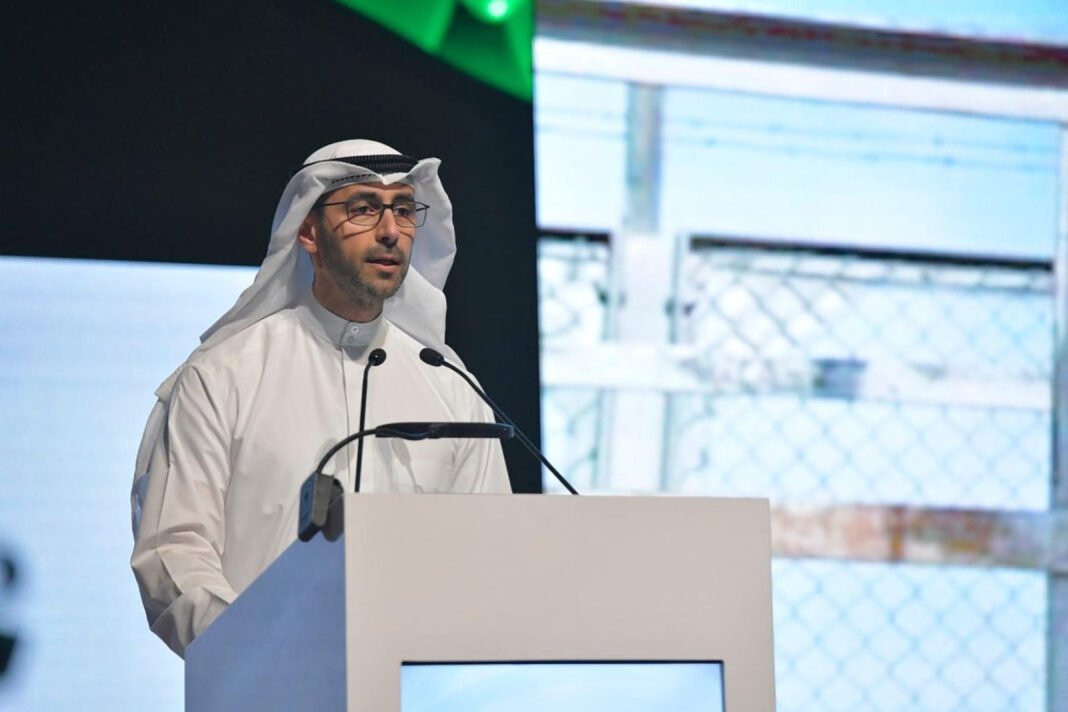
Kuwait Energy commitments remain a priority as Kuwait Petroleum Corporation continues supporting customers and partners worldwide. The company says it will maintain its obligations despite regional tensions and challenges affecting global energy markets. KPC Chief Executive Sheikh Nawaf Saud Al-Sabah outlined this position during the 25th World Petroleum Congress in Riyadh. His remarks highlighted Kuwait’s role in supporting reliable energy supplies and international market stability.
Sheikh Nawaf spoke during a panel discussion focused on energy security and the challenges facing producers and consumers. He stressed the importance of maintaining dependable deliveries despite uncertainty across the region. Moreover, he highlighted the need for stronger cooperation between energy producers, trading partners and international customers. These relationships remain essential as countries seek stable supplies and greater resilience.
The Gulf region continues to play a central role in global energy markets. Its producers supply significant volumes of oil and gas to international buyers. Therefore, disruptions to production or transportation can affect energy availability and prices worldwide. Sheikh Nawaf emphasised the importance of protecting maritime routes and supply chains to reduce these risks.
Shipping routes remain especially important for Gulf energy exporters. Tankers carry oil and other energy products through strategic waterways to markets across Asia, Europe and beyond. However, regional tensions can threaten these routes and complicate delivery schedules. Consequently, energy companies must maintain flexible operations and coordinate closely with their partners.
KPC’s position reflects Kuwait’s broader commitment to international energy cooperation. The corporation works with customers and partners across multiple markets. In addition, it continues developing projects that support Kuwait’s oil industry and its contribution to global supply. These efforts help maintain the country’s role as a reliable energy producer.
The World Petroleum Congress also provided an opportunity to discuss wider industry challenges. Participants examined energy security, supply reliability and the changing needs of producers and consumers. Furthermore, discussions highlighted the importance of preparing for unexpected disruptions. Stronger infrastructure and effective international partnerships can help reduce vulnerabilities across energy supply chains.
For Kuwait, maintaining customer confidence remains particularly important during periods of uncertainty. Buyers depend on predictable deliveries to support refining, manufacturing, transportation and electricity generation. As a result, interruptions can create difficulties for businesses and national economies. KPC’s commitment aims to reassure customers that the company continues to prioritise its contractual responsibilities.
At the same time, global energy markets face several pressures beyond regional security concerns. Demand patterns continue to evolve, while producers must balance investment, output and long-term supply needs. Moreover, countries are strengthening their energy strategies to manage risks and protect economic stability. Reliable exporters therefore remain important to international market confidence.
Kuwait Energy cooperation also supports the country’s engagement with international industry partners. Through its participation in major energy forums, KPC can exchange expertise and discuss shared challenges. These discussions may also create opportunities for future projects and stronger commercial relationships. Maintaining open communication remains vital as the industry responds to changing conditions.
KPC’s message in Riyadh reinforced the importance of reliability, cooperation and secure transportation. Although current challenges continue to test the global energy sector, Kuwait intends to honour its commitments. The corporation will also continue presenting its projects and capabilities to international partners. Its approach underscores the importance of stable supplies and resilient energy networks for global markets.

