



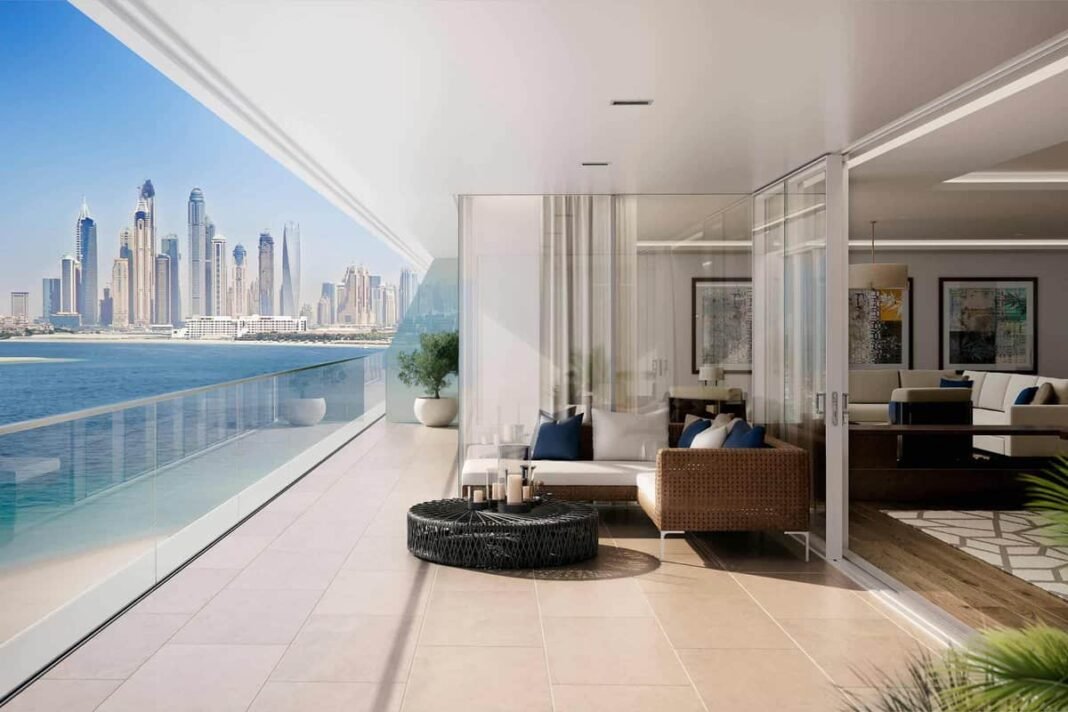
Dubai Rental Prices recorded significant declines across several residential communities during the third quarter of 2026. Dubai Marina, Business Bay, and Jumeirah Village Circle experienced some of the largest apartment rental reductions. Meanwhile, changing market conditions and growing housing supply influenced rental trends across the emirate. However, stronger leasing activity suggested that demand for residential properties remained active despite falling rents.
According to property consultancy Savills, Dubai Marina recorded a 12.8 percent annual decline in apartment rents. Similarly, Business Bay experienced a 12.2 percent reduction during the July-to-September period. Jumeirah Village Circle followed with a 10.4 percent decrease compared with the previous year. Consequently, these popular residential districts experienced some of Dubai’s most noticeable rental adjustments.
Several other neighborhoods also reported lower apartment rents during the third quarter. Al Furjan recorded a 7.5 percent annual decline, while DIFC experienced a 7.3 percent reduction. Additionally, Majan registered a 5.1 percent decrease, followed by Discovery Gardens at 4.3 percent. International City Phases 2 and 3 experienced a smaller decline of 0.4 percent.
Villa and townhouse communities also faced considerable rental adjustments as market conditions changed. Arabian Ranches 3 recorded a 15 percent annual decline, exceeding reductions across most apartment communities. Meanwhile, Damac Lagoons experienced a 13.4 percent decrease in rental values. Nevertheless, relatively small quarterly changes suggested that some residential areas could approach greater price stability.
Despite falling rental rates, Dubai’s leasing market recorded stronger transaction activity during the quarter. Total rental transactions increased 16 percent from 156,200 in the second quarter to 181,900. Furthermore, the latest figure remained close to the 180,600 transactions recorded during the same period in 2025. These numbers highlighted continued tenant activity across the emirate’s residential property market.
New rental agreements also represented a larger proportion of overall leasing transactions. Their share increased from 36 percent in the second quarter to 44 percent during the third quarter. Moreover, Business Bay, JVC, Jumeirah Village Triangle, and Downtown Dubai experienced stronger new-leasing activity. Therefore, Dubai Rental Prices continued adjusting while tenants explored opportunities across different residential communities.
Meanwhile, Dubai’s property sales market experienced slower activity during the third quarter. Residential transactions reached approximately 34,500, representing a 4 percent decline from the previous quarter. Additionally, transaction volumes dropped 38 percent compared with the corresponding period in 2025. The total value of residential sales decreased to Dh70.8 billion from Dh82.6 billion in the second quarter.
The annual decline in residential sales value appeared even more significant. Dubai recorded Dh132.2 billion in residential transactions during the third quarter of 2025. Consequently, the latest figure represented a 46 percent reduction compared with the previous year. However, market performance varied considerably between off-plan developments and completed residential properties.
Off-plan property sales experienced the largest reduction in transaction value during the quarter. Their total value declined from Dh61.3 billion to Dh45.7 billion. In contrast, completed residential properties attracted stronger interest, with transaction values increasing from Dh21.3 billion to Dh25.1 billion. This difference suggested growing buyer interest in properties offering immediate occupancy.
Residential property prices also declined across apartments, villas, and townhouses during the reporting period. Average apartment prices dropped 4.8 percent quarterly to Dh1,817 per square foot. Meanwhile, villa and townhouse prices decreased 3.3 percent to approximately Dh1,523 per square foot. These adjustments reflected changing buyer expectations and broader developments across Dubai’s housing market.
Developer activity remained concentrated among several major companies despite slower overall sales. Azizi Developments accounted for 21 percent of residential transactions during the quarter. Emaar Properties followed with 9 percent, while Damac Properties and Binghatti each represented 7 percent. Additionally, Imtiaz contributed 4 percent, bringing the five developers’ combined share to 47.9 percent.
New residential project launches also declined sharply compared with the previous year. Developers introduced approximately 5,000 residential units during the third quarter of 2026. Consequently, total launches reached around 50,000 units during the first nine months. This represented a decline of approximately 64 percent from the 137,300 units launched during the comparable 2025 period.
Meanwhile, developers completed approximately 26,500 residential units during the first half of 2026. Apartments accounted for around 85 percent of those completed properties. Furthermore, Savills expects another 50,000 to 60,000 units to reach completion during the second half. Total annual deliveries could therefore reach between 75,000 and 85,000 homes.
However, construction schedules may push some planned completions into 2027. Such delays could reduce immediate supply pressures and support greater market stability. Additionally, fewer new project launches may help balance residential demand against available housing. Nevertheless, longer-term supply growth will remain an important consideration for developers and investors.
Savills research director Rachael Kennerley described the current market conditions as a period of adjustment rather than collapse. She highlighted the importance of understanding changing supply patterns and residential demand. Moreover, the consultancy expects developers to manage future launches carefully as market conditions evolve. These developments could influence pricing strategies and investment decisions across Dubai.
Looking ahead, Dubai Rental Prices may continue responding to new housing deliveries and population growth. More than 525,000 residential units could enter the market between 2027 and 2030. Therefore, household formation and population expansion will play important roles in absorbing future supply. Ultimately, Dubai’s property market will depend on maintaining a sustainable balance between residential development and housing demand.

