



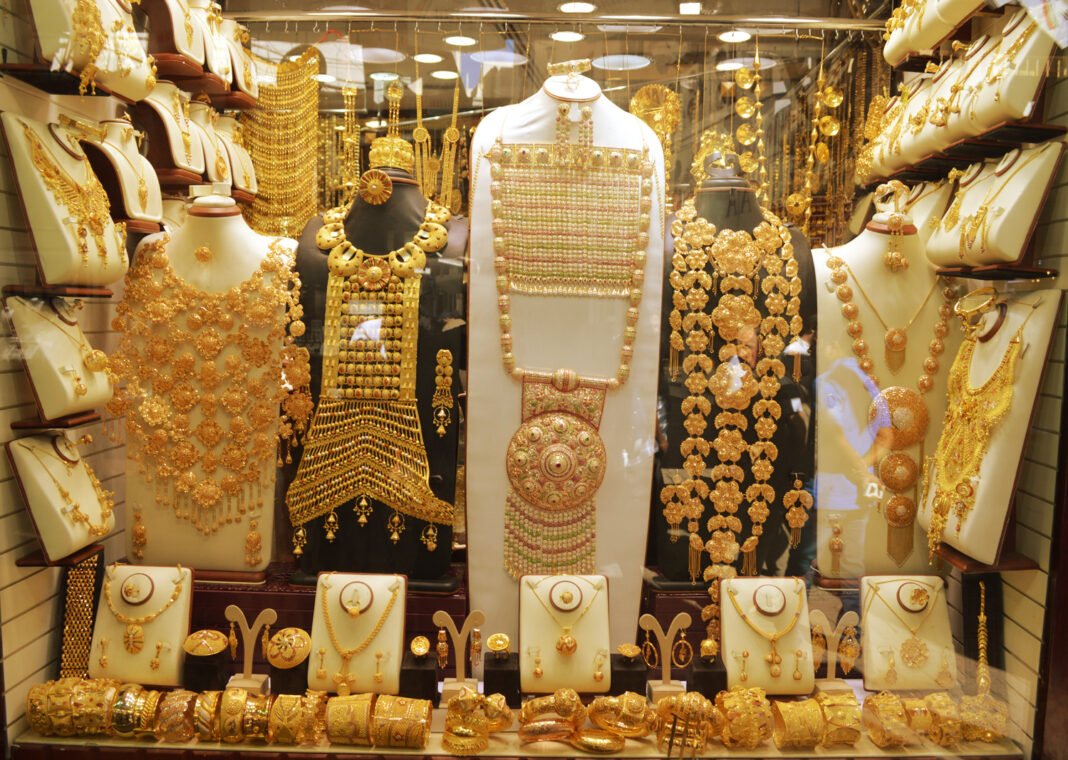
Dubai Gold prices extended their rebound on Tuesday as bullion gained support from softer market conditions. The 24K rate reached Dh523.25 per gram at the market opening. Meanwhile, 22K gold traded at Dh484.75 per gram. The 21K rate stood at Dh464.75 per gram. In addition, 18K gold traded at Dh398.25 per gram. The 14K rate reached Dh310.75 per gram.
Globally, spot gold traded near $4,346.50 per ounce. The metal gained 0.01 percent during the morning session. Silver also moved higher, gaining 0.29 percent to reach $66.09 per ounce. Meanwhile, investors continued watching interest rates, oil prices, and currency movements. These factors have recently influenced demand across precious metals markets.
Gold found additional support after Treasury yields moved lower from their recent increase. Higher yields often reduce gold’s appeal because bullion does not provide interest income. Therefore, easing yields can improve the investment case for precious metals. Financial analyst Vijay Valecha said recent movements have reduced some pressure on gold. He also pointed to lower oil prices as another supportive factor.
Oil prices have declined for a third consecutive session as supply concerns ease. As a result, markets have seen some relief from inflation pressures. A softer inflation outlook could also affect expectations for future interest rate decisions. Meanwhile, a weaker dollar can make gold more affordable for buyers using other currencies. Together, these factors have helped support the recent recovery in bullion prices.
Investor demand has also remained firm despite gold’s recent price fluctuations. Gold-backed exchange-traded funds recorded inflows for eight consecutive sessions. This trend suggests continued interest among investors seeking exposure to the precious metal. At the same time, concerns about government finances remain an important market theme.
Rising fiscal deficits have increased attention on long-term debt levels. Higher debt burdens could also influence expectations for future currency movements. Consequently, some investors continue viewing gold as a potential long-term store of value. However, prices can still experience sharp movements when yields or currency markets change quickly.
Technical indicators also point to several important levels for gold traders. The metal recently moved back above its short-term trendline. It now faces resistance around $4,431 to $4,434 per ounce. A sustained move above that range could attract additional buying interest. Further gains could then bring the metal toward $4,510 per ounce. The next potential level sits near $4,573 per ounce.
However, gold also has several support levels that traders continue watching. The first support area stands around $4,385 per ounce. Additional support appears near $4,340 per ounce. Holding above these levels could help maintain the recent upward structure. Nevertheless, a break below key support could change short-term market momentum.
Dubai Gold prices also reflect broader international movements in the precious metals market. Local rates can change as global bullion prices move throughout the trading day. Currency movements can also affect the final price for buyers in the UAE. Therefore, investors and consumers continue monitoring international markets alongside local prices.
The current rebound follows recent volatility across gold and other major commodities. Market participants remain focused on inflation, interest rates, energy prices, and currency trends. At the same time, ongoing economic uncertainty continues to influence demand for defensive assets.
Silver has also followed gold higher during the latest recovery. The metal remained on track for a weekly gain as market conditions improved. Silver has benefited from several of the same factors supporting gold. These include lower oil prices, easing inflation concerns, and movements in the dollar. However, silver also has important industrial demand drivers that can affect its performance. Therefore, its price can respond differently during periods of changing economic expectations. For now, both precious metals continue to attract attention as investors assess the global economic outlook.
The latest Dubai Gold movement highlights the importance of several major market indicators. Treasury yields remain a key factor because they influence the opportunity cost of holding bullion. Oil prices also matter because they can affect inflation expectations across global markets. Meanwhile, currency movements can change international demand for dollar-priced commodities.
Investors will continue watching these factors as gold approaches important technical levels. Further movement above resistance could strengthen the current recovery. Conversely, renewed pressure from higher yields could limit additional gains. For consumers, local gold prices will continue reflecting changes in international bullion markets and currency conditions.