



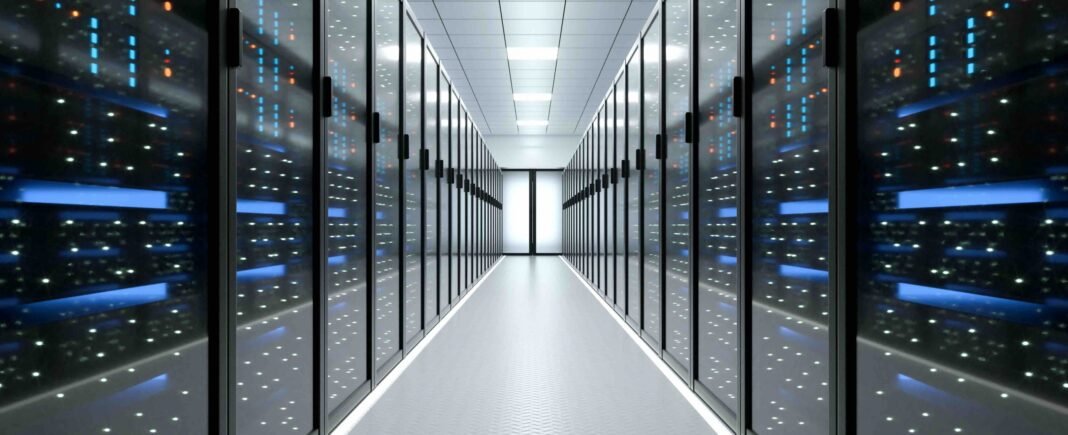
Private Data Centers are gaining interest among wealthy Gulf residents and family offices. Some clients now want dedicated computing systems inside homes, offices, and luxury yachts. Depending on their specifications, these systems can cost millions of dirhams. Meanwhile, growing use of artificial intelligence has increased demand for powerful local computing. Recent regional disruptions have also raised concerns about dependence on external cloud infrastructure.
The new systems combine servers, storage, networking equipment, cooling, and backup power. Together, these components create a compact computing environment for private use. Unlike traditional home servers, newer systems can handle demanding artificial intelligence applications. Users can also store sensitive information locally and process data without external services. Therefore, wealthy clients can gain more direct control over their digital information.
Data control has become increasingly important for businesses and private investors. Companies often handle confidential documents, intellectual property, financial information, and other sensitive material. Consequently, some organizations want greater control over where they store that information. Private infrastructure can provide that control while supporting local AI applications. However, owners must also manage maintenance, power requirements, cooling, security, and technical support.
Private Data Centers can cost between AED2 million and AED4 million in some configurations. The final cost depends on computing requirements and the system’s overall design. Power consumption can also influence the size and cost of an installation. Furthermore, advanced cybersecurity measures can increase the required investment. As a result, these systems remain mainly accessible to wealthy individuals and large organizations.
Artificial intelligence development has strengthened the case for local computing infrastructure. Newer chips allow smaller systems to process increasingly complex workloads. At the same time, AI models can analyze private documents and other sensitive information. Users can keep those materials within their own controlled environments. This approach can reduce dependence on external computing regions and cloud platforms.
However, private infrastructure does not remove every operational risk. Power failures, cyberattacks, equipment damage, and regional conflicts can still disrupt operations. Therefore, owners need backup systems and strong security measures. Local storage can reduce dependence on a single external provider, but it cannot guarantee uninterrupted access. Businesses must still prepare for multiple potential points of failure.
Interest has also expanded beyond traditional residential properties. Some wealthy yacht owners are exploring dedicated computing systems for their vessels. Large yachts already use onboard technology for navigation, communications, entertainment, and security. Newer systems can support additional computing tasks while vessels remain at sea. They can also process business information when satellite connections become slow or unavailable.
The expanding family-office sector could further support demand for these systems. Some family offices use AI for investment analysis and business operations. However, data privacy remains an important consideration when adopting AI tools. Some investment offices have therefore explored running certain AI models internally. This approach allows them to maintain greater control over sensitive financial information.
The trend also reflects broader changes in how wealthy clients approach technology. Instead of relying entirely on centralized cloud infrastructure, some users want private alternatives. They can combine local computing with external cloud services when appropriate. This strategy allows them to balance convenience, scalability, control, and security.
Private Data Centers are becoming part of a broader shift toward private computing infrastructure. Demand will depend on computing needs, security concerns, and installation costs. Meanwhile, AI growth continues to increase the need for powerful computing resources. For wealthy Gulf clients, local infrastructure offers a way to keep sensitive information closer to home. It also provides greater control over systems that process increasingly valuable data.