



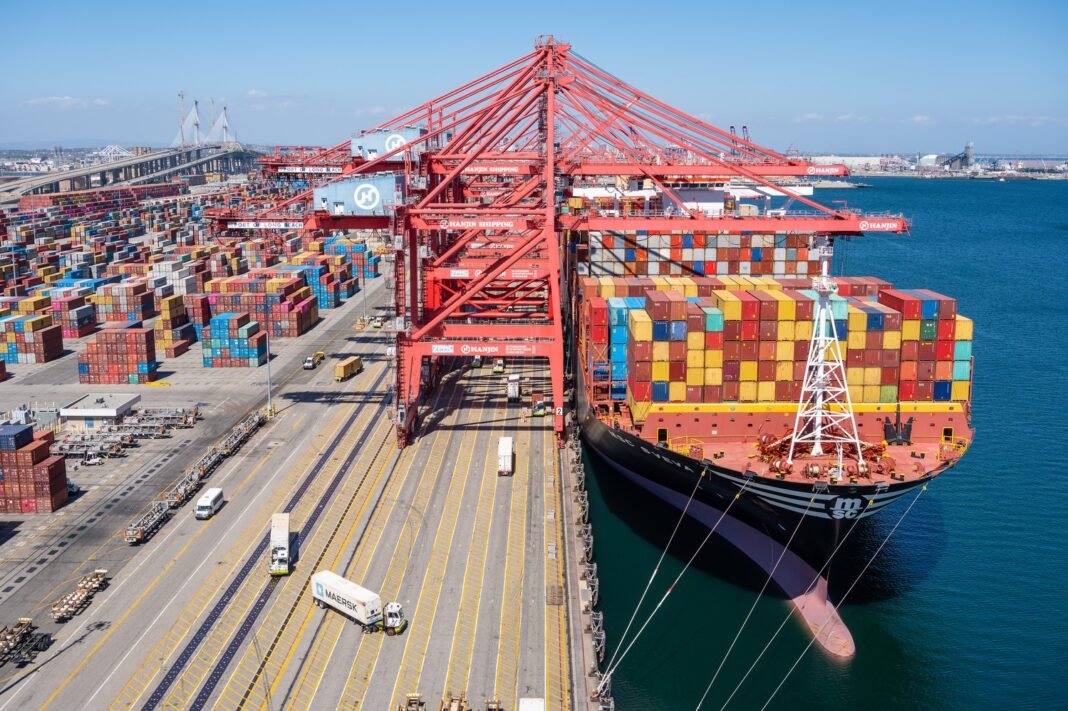
Iraq’s export plans are gaining attention as the Ministry of Trade works to strengthen the country’s international trade position. The ministry also plans tighter controls over imported goods entering the Iraqi market. Officials say the measures will support consumers and domestic producers while maintaining legal market access.
At the same time, the ministry wants to help Iraqi companies reach more foreign markets. These efforts form part of a broader approach to improving Iraq’s trade structure. The ministry is therefore working on import regulations and export procedures at the same time.
Mohammed Hannoun, the ministry’s official spokesman, outlined several measures linked to the import process. He said the ministry wants to regulate imports according to existing legal frameworks. The approach aims to balance market access with consumer protection and support for local producers.
In addition, officials have strengthened procedures for registering importers. Government bodies have also worked together to improve product quality inspections. The ministry says imported goods must meet established specifications and quality requirements. It also seeks to prevent products with unknown origins from entering the Iraqi market. These measures could give authorities greater oversight of goods entering the country. Meanwhile, importers will need to follow clearer requirements as the ministry develops its controls.
The ministry is also focusing on expanding opportunities for Iraqi businesses abroad. Hannoun said officials want to move Iraqi products beyond domestic competition. Therefore, the ministry plans to simplify procedures for companies seeking to export their products. Officials also want to strengthen the role of Iraqi commercial attachés in foreign markets.
These representatives can help connect Iraqi businesses with potential customers and commercial partners. The ministry also plans to register Iraqi exporting companies in selected target countries. This step could help companies meet market requirements and improve their access to overseas buyers. Furthermore, officials aim to reduce administrative barriers that can delay international trade. The Export Support Fund will also play a role in encouraging companies to expand outside Iraq.
The ministry has identified several markets as potential destinations for Iraqi products. These include Arab Gulf countries, Turkey, Iran, Jordan, and Egypt. Officials also see opportunities across wider Asian and European markets. As a result, Iraqi companies could gain access to a broader range of customers. However, expanding exports will require companies to meet different standards across international markets. Product quality, registration requirements, logistics, and pricing will all affect market access.
The ministry’s trade database can also support efforts to identify suitable markets. Officials developed the database through cooperation with several national and international institutions. This information can help authorities and businesses better understand trade flows and market opportunities.
Iraq Exports remain heavily concentrated in the energy sector, according to the figures presented by the ministry. Central Bank data showed crude oil represented about 92.8% of Iraqi exports during the first quarter of 2025. Other goods accounted for around 2.3% during the same period. Petroleum products made up most of the remaining export share. These figures highlight the large role that oil continues to play in Iraq’s external trade.
The ministry now wants to increase the contribution of non-oil products. Officials are particularly focused on agricultural, industrial, food, and processed goods. Expanding these sectors could gradually create a more diverse export base. It could also provide Iraqi businesses with additional opportunities in regional and international markets.
The ministry’s strategy therefore combines stronger import oversight with a wider export push. On the import side, officials want greater control over registration and product quality. On the export side, they want fewer administrative obstacles for Iraqi companies. At the same time, commercial attachés and trade data could support businesses entering new markets.
The Export Support Fund could provide another tool for companies seeking international growth. Together, these measures aim to improve the structure of Iraq’s trade activity. Iraq’s exports could become more diversified if agricultural and industrial companies gain stronger access abroad.
However, companies will need to meet market standards and compete effectively in foreign markets. The ministry’s latest plans show a focus on increasing the role of non-oil goods. Officials will continue developing measures designed to support that objective.