



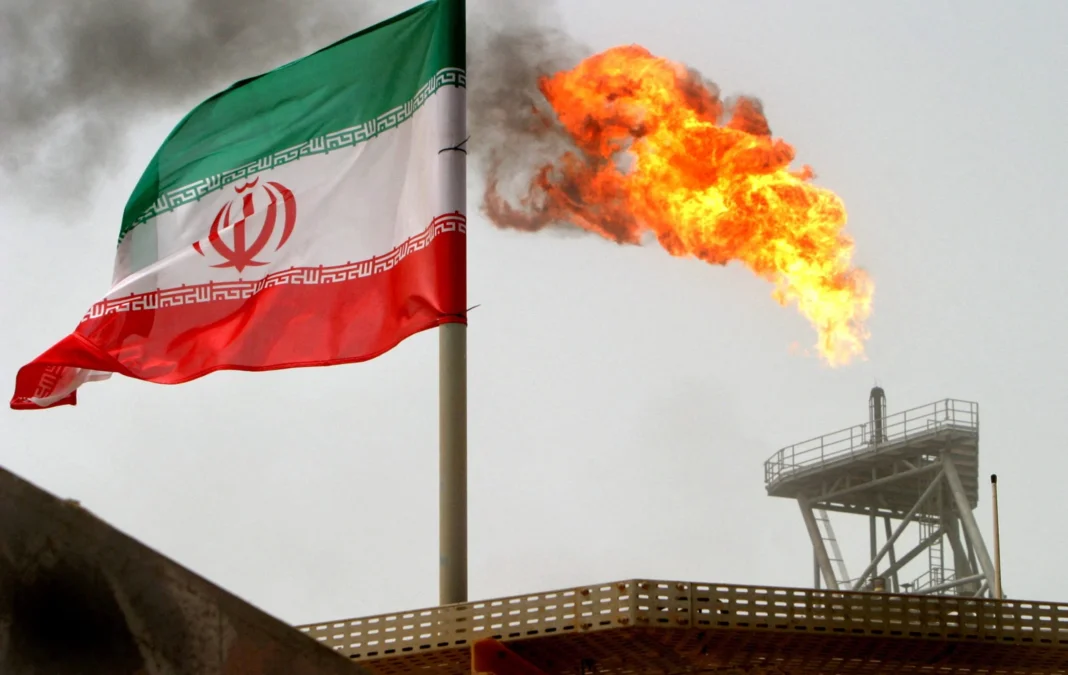
Hormuz oil prices moved higher after renewed fighting between the United States and Iran increased concerns about regional energy supplies. The latest escalation has also raised fresh questions about shipping through the strategic waterway.
Brent crude gained 0.9 percent to reach $95.45 per barrel during early Wednesday trading. Meanwhile, West Texas Intermediate climbed 0.55 percent to $90.71 per barrel. Both benchmarks recorded stronger gains during Tuesday’s trading session. Brent and WTI each gained more than five percent before US markets closed.
The renewed conflict has increased uncertainty around crude shipments through the Strait of Hormuz. The waterway carries a significant share of global oil and energy shipments. Therefore, any prolonged disruption could create additional pressure across international energy markets.
US forces launched fresh strikes against Iranian military targets during the latest escalation. The targets included air defence systems, radar equipment, maritime assets, communications facilities, and other military infrastructure. The attacks followed reported Iranian strikes against commercial shipping and US personnel operating across the region.
Iran then responded with missile launches targeting American interests in several Middle Eastern countries. The attacks included targets in Jordan and Kuwait. Bahrain also faced threats linked to the wider escalation. Consequently, concerns about regional security have increased among governments, companies, and investors.
Jordan reported that its forces intercepted most of the missiles launched toward its territory. Officials said 10 of 13 ballistic missiles reached interception systems. Three missiles reportedly landed in remote areas. The developments added to wider concerns about the conflict spreading beyond direct US-Iran confrontation.
Meanwhile, Washington has claimed that oil flows through the Strait of Hormuz reached a record level. US Energy Secretary Chris Wright said 17 million barrels passed through the waterway on Monday. However, shipping activity dropped sharply the following day.
Only four vessels reportedly crossed the strait on Tuesday. That figure remained well below normal daily traffic levels. As a result, markets continue to question whether energy shipments can maintain regular movement through the route.
The sharp difference between Monday’s reported oil volumes and Tuesday’s vessel traffic remains significant. It suggests that shipping conditions could change quickly as military tensions develop. Furthermore, tanker operators may face increased security concerns if hostilities continue.
Hormuz oil markets therefore remain highly sensitive to developments across the Gulf region. Traders are watching military activity, shipping movements, and government statements closely. Even small changes in vessel traffic could influence crude prices.
The United States has also increased pressure on Iran through additional military actions. American forces reportedly targeted Iranian government-linked tankers during the latest escalation. The move forms part of a tougher approach toward Iranian energy shipments.
US President Donald Trump has warned that military action could intensify further. He also expressed doubts about reaching a lasting agreement with Tehran. Therefore, investors face continued uncertainty about the conflict’s duration and potential impact.
The United States has thousands of military personnel stationed across the Middle East. Their presence adds another layer of risk to regional markets. At the same time, American diplomatic missions have issued security warnings across several countries.
Energy markets have already reacted strongly to the renewed uncertainty. Diesel prices have also attracted attention as concerns about fuel availability increase. Higher transportation and energy costs could eventually affect businesses and consumers.
Moreover, prolonged disruption around Hormuz could create wider consequences for global trade. Energy importers could face higher costs if shipping becomes more expensive. Refiners could also experience pressure if crude deliveries become less predictable.
The conflict has also affected financial markets across the Gulf. Saudi Arabia’s main stock index fell 0.2 percent on Tuesday. Abu Dhabi’s benchmark declined 0.3 percent during the session. Dubai’s market also ended slightly lower.
These movements show how geopolitical risks can quickly influence regional investment sentiment. Investors remain cautious while assessing the potential economic consequences. In particular, energy-dependent economies face increased market sensitivity during periods of conflict.
Hormuz oil prices could remain volatile as traders assess shipping conditions and military developments. Any further attacks near the waterway could increase supply concerns. Conversely, stable shipping activity could ease some pressure on crude markets.
For now, the Strait of Hormuz remains at the center of global energy concerns. The latest military escalation has increased uncertainty for producers, traders, refiners, and shipping companies. Consequently, energy markets will continue watching developments closely as the conflict unfolds.