



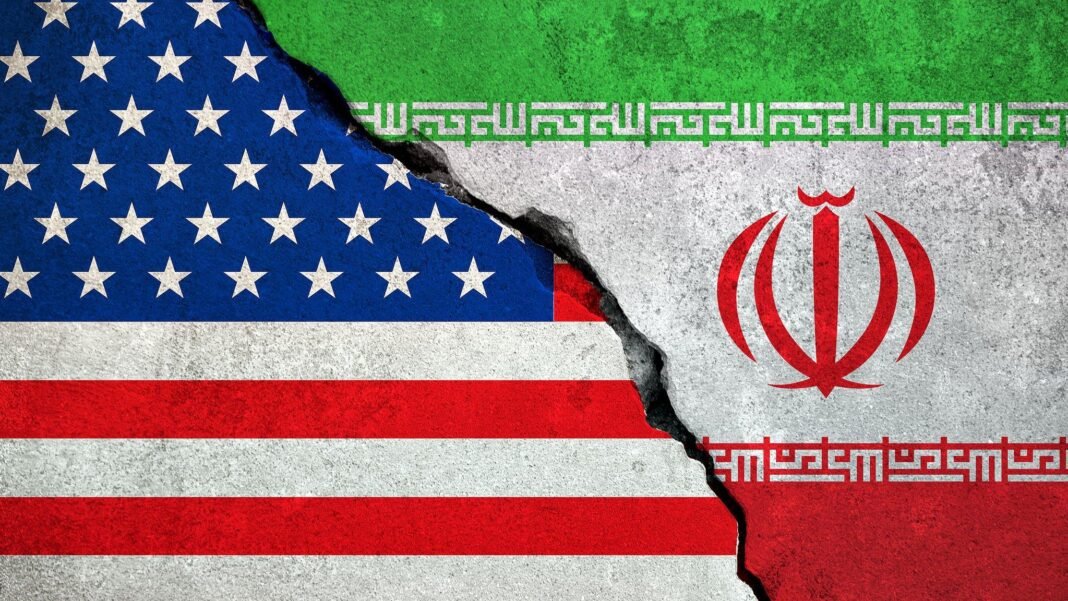
The Gulf economy is facing growing pressure from the U.S.-Iran conflict and wider global market uncertainty. Energy prices, shipping, investment, and trade are facing greater risks. The impact extends beyond the region because global businesses depend on Gulf energy supplies and major shipping routes.
Oil remains at the centre of the economic impact. Disruptions to regional production and transportation have pushed prices higher. Brent has recently traded around $100 a barrel as markets assess risks to global supply. Gulf exporters can benefit from higher revenues, but higher oil prices also raise costs for airlines, manufacturers and transport companies.
Shipping has also become a major concern for the Gulf economy. The Strait of Hormuz remains heavily disrupted, forcing Gulf producers to use alternative routes. Saudi Arabia has relied on its East-West Pipeline to move crude toward the Red Sea. The UAE has also used alternative pipeline capacity to support exports. These routes have maintained some energy flows, but they cannot fully replace normal shipping conditions.
The Gulf economy is also facing pressure from higher shipping and insurance costs. Companies may face more expensive imports, longer delivery times and greater supply chain uncertainty. These pressures can also reach Europe and Asia, where businesses depend on Gulf energy and international trade routes.
Investment is another area facing uncertainty. Companies planning projects in real estate, tourism, technology and infrastructure must consider higher operating costs and regional security risks. Some decisions may be delayed while businesses assess how long the disruption will continue. Gulf governments also face pressure to balance major investment plans with higher security and economic costs.
Tourism and aviation are also sensitive to regional instability. Gulf countries have invested heavily in international travel, hotels and major events. Continued tensions could affect visitor confidence and flight activity. However, the impact differs between markets and depends on the duration of the conflict and regional travel conditions.
The conflict is also testing the resilience of the Gulf economy. Saudi Arabia, the UAE, Qatar, Oman, Bahrain and Kuwait have invested heavily in non-oil sectors. These investments can provide additional sources of growth, but regional instability can still affect tourism, trade, investment and business confidence.
Some sectors may benefit from the disruption. Energy producers can receive higher revenues when oil prices rise. Logistics, security and infrastructure companies may also see stronger demand. However, these gains come alongside higher costs for consumers and other businesses, making the overall economic impact uneven.
The consequences are not limited to the Gulf. Higher energy prices can increase production and transportation costs around the world. More expensive shipping can raise the cost of imported goods. Financial markets and investors may also react to changes in geopolitical risk and expectations for global growth.
If tensions decline, some economic pressures could ease. Shipping and insurance costs could stabilise as normal routes recover. Businesses could also gain greater confidence when planning investments and expansion. However, markets would not necessarily return immediately to previous conditions because oil supply, demand, inflation and other global factors would remain important.
If the conflict continues, businesses could face prolonged uncertainty. Energy prices may remain sensitive to regional developments, while shipping and insurance costs could stay elevated. Investment decisions may become more cautious, and governments could face additional pressure to protect economic activity.
Iraq faces particular challenges because of its heavy dependence on oil revenues. The country has also been affected by disruptions around the Strait of Hormuz and has begun using alternative arrangements to secure fuel supplies. Iraq recently started importing gasoline through Syria as it seeks to bypass the disrupted maritime route.
The coming months will therefore be important for the Gulf economy and global businesses. Oil prices, shipping activity, investment flows, tourism, and regional trade will show how deeply the conflict is affecting the economy. The key question is not only when the conflict ends, but also how quickly energy markets, trade routes and business confidence can recover.
By Issra Izzat
UKH Interior Design

