



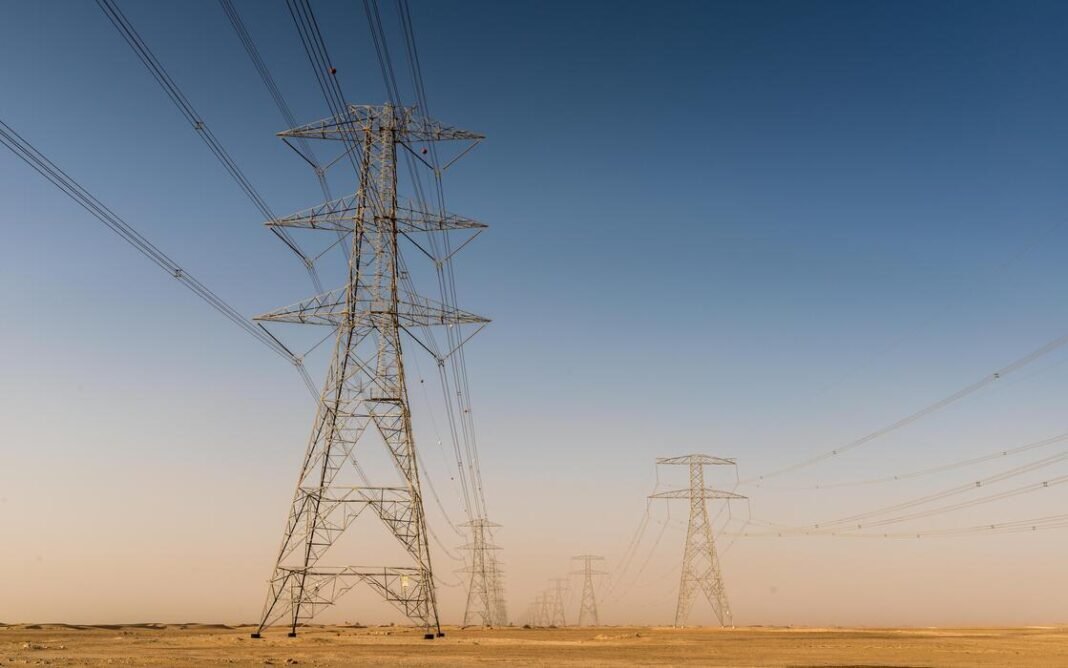
Iraq energy development moved forward as government officials continued discussions on a strategic project to modernize the country’s electricity sector. The proposed initiative focuses on renewable energy, energy efficiency, and long-term planning. Furthermore, the project supports Iraq’s efforts to strengthen sustainable economic growth.
The Ministry of Planning met with representatives from Germany’s development agency, GIZ, to review the proposed initiative. Both sides discussed the project’s overall framework and long-term objectives. However, officials confirmed that they are still evaluating the proposal.
The planned project aims to strengthen Iraq’s electricity system while encouraging greater use of renewable energy. Officials also hope the initiative will improve policy development and expand clean energy adoption. As a result, the country could build a more reliable and sustainable power sector.
One of the project’s main priorities involves creating integrated investment plans for electricity infrastructure. These plans would help identify future financing opportunities while supporting long-term development goals. Better planning could also improve decision-making across the energy sector.
Officials also discussed upgrading technical planning procedures. These improvements would help integrate renewable energy into Iraq’s electricity transmission and distribution networks. Consequently, the national grid could accommodate cleaner energy sources more efficiently.
Renewable energy remains an important part of Iraq’s future energy strategy. Expanding renewable generation can reduce dependence on traditional fuels while supporting environmental goals. Therefore, authorities continue exploring practical solutions for cleaner electricity production.
Another key topic involved electricity market reforms. Officials examined ways to strengthen regulations while encouraging greater market competition. They also discussed institutional improvements that could create a more efficient electricity sector.
Competitive tendering formed another important part of the discussions. Transparent bidding systems could attract additional investment into energy infrastructure. Furthermore, stronger market rules may improve investor confidence and accelerate project delivery.
The proposed project also addresses electricity access in remote areas. Officials reviewed plans to establish technical standards for mini-grid systems. These systems could provide reliable electricity where the national grid remains unavailable.
Authorities also examined future regulatory frameworks for off-grid power generation. The discussions included mechanisms for awarding electricity supply contracts. Such measures could encourage greater private sector participation in underserved regions.
Energy efficiency remains another major objective of the proposed initiative. Officials believe reducing electricity waste can lower operating costs while improving system performance. At the same time, greater efficiency supports environmental sustainability.
The project also aligns with Iraq’s climate objectives. Expanding renewable energy and improving efficiency can reduce emissions over time. Consequently, these efforts contribute to broader environmental commitments.
Government officials emphasized the importance of international cooperation throughout the discussions. They noted that global expertise can support national development priorities. In addition, technical cooperation helps strengthen local capabilities.
Building national expertise remains an essential part of the proposed initiative. Training programs and knowledge-sharing efforts could improve long-term management of the electricity sector. Stronger local capacity will also support future infrastructure projects.
Modern energy systems require careful planning and effective regulation. Therefore, officials continue evaluating strategies that balance economic growth with environmental responsibility. Long-term investment also remains critical to future success.
The discussions highlighted Iraq’s commitment to developing a stronger electricity sector. Modern infrastructure, renewable energy, and efficient operations remain central priorities. These improvements could support both households and businesses across the country.
Overall, Iraq energy development continues evolving as authorities pursue sustainable solutions to meet future demand. Through strategic planning, international cooperation, and renewable energy development, Iraq aims to strengthen electricity reliability while supporting economic growth. If approved, the proposed project could play an important role in modernizing the country’s energy sector and advancing its long-term clean energy transition.

