



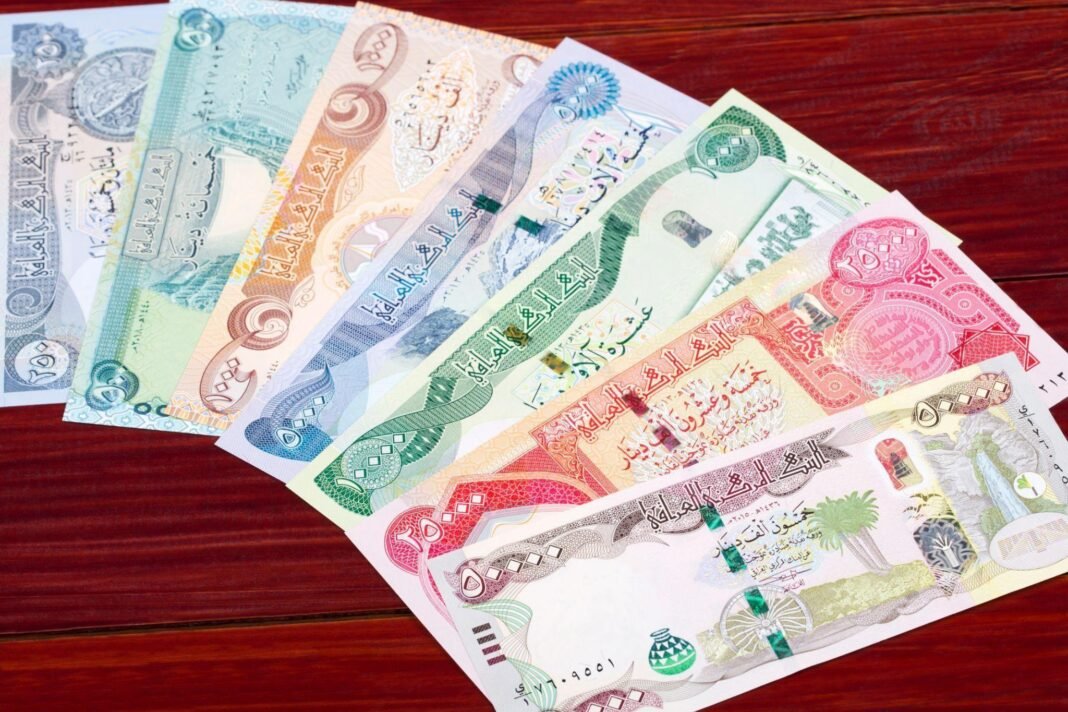
Iraqi dinar devaluation has renewed concerns about prices, imports, and household finances across Iraq. The currency lost around 15 percent of its value following a new official rate adjustment. The change comes after months of pressure on Iraq’s currency market. Meanwhile, the US dollar has traded above 157,000 dinars per $100 on the parallel market.
The latest adjustment marks another major change in Iraq’s exchange rate policy. Iraq previously reduced the dinar’s value by about 20 percent in December 2020. The Central Bank of Iraq introduced that move as foreign reserves faced pressure. The government also needed stronger dinar revenues to finance public sector salaries.
However, the 2020 adjustment caused widespread public concern over rising living costs. Iraq later moved in the opposite direction during February 2023. The government then restored the official exchange rate to around 1,310 dinars per dollar. Therefore, the latest move represents another significant shift in the country’s currency policy.
The government can receive more dinars from each dollar of oil revenue after devaluation. This can increase the local currency value of government oil earnings. Consequently, the adjustment can provide additional dinar resources for public spending. However, the policy also creates challenges for consumers and businesses.
Iraq relies heavily on imported goods for everyday consumption and business activity. Most imported products carry costs linked directly or indirectly to the US dollar. Therefore, a weaker dinar can increase the local price of imported products. Businesses may then pass higher costs to customers through increased retail prices.
Iraqi dinar devaluation can also affect companies that depend on imported equipment and materials. Importers may face higher expenses when converting dinars into dollars. Meanwhile, businesses with dollar revenues could experience different effects. Exporters and companies earning foreign currency may gain stronger dinar income.
Households could also feel the impact through higher prices for imported products. Food, electronics, vehicles, medicine, and other goods can face additional cost pressures. However, the final impact will depend on exchange rates and individual supply chains. Businesses may also adjust prices at different speeds.
Existing contracts could present another challenge for companies and employees. Some agreements use dinar values, while others use dollar-linked terms. Businesses may need to review invoices, salaries, and payment obligations. Consequently, currency changes can create additional financial planning requirements.
The parallel market remains another important factor for Iraq’s currency outlook. Its exchange rate can differ significantly from the official rate. Such differences can influence import costs and business decisions. They can also increase uncertainty for consumers and companies planning future transactions.
For people holding dinars outside Iraq, the latest adjustment carries another important lesson. Currency values can change in either direction following official policy decisions. Therefore, holders should consider exchange rate risks when assessing their financial position. The latest move highlights the uncertainty surrounding long-term expectations for the dinar.
Iraqi dinar devaluation also reflects Iraq’s dependence on oil revenues. The government receives most of its foreign currency earnings from oil exports. Meanwhile, domestic spending largely occurs in dinars. This creates a strong connection between oil income, government finances, and exchange rate policy.
The new exchange rate will therefore affect different groups in different ways. Consumers may face higher import costs, while some dollar earners may benefit. Import-dependent businesses could encounter greater operating expenses. At the same time, government finances could receive more dinar revenue from oil exports.
Overall, the latest currency adjustment creates both fiscal opportunities and economic challenges. Iraqi dinar devaluation could support government spending capacity through higher dinar oil revenues. However, consumers and importers may face stronger price pressures. The coming months will show how businesses, households, and markets respond to the new rate.