



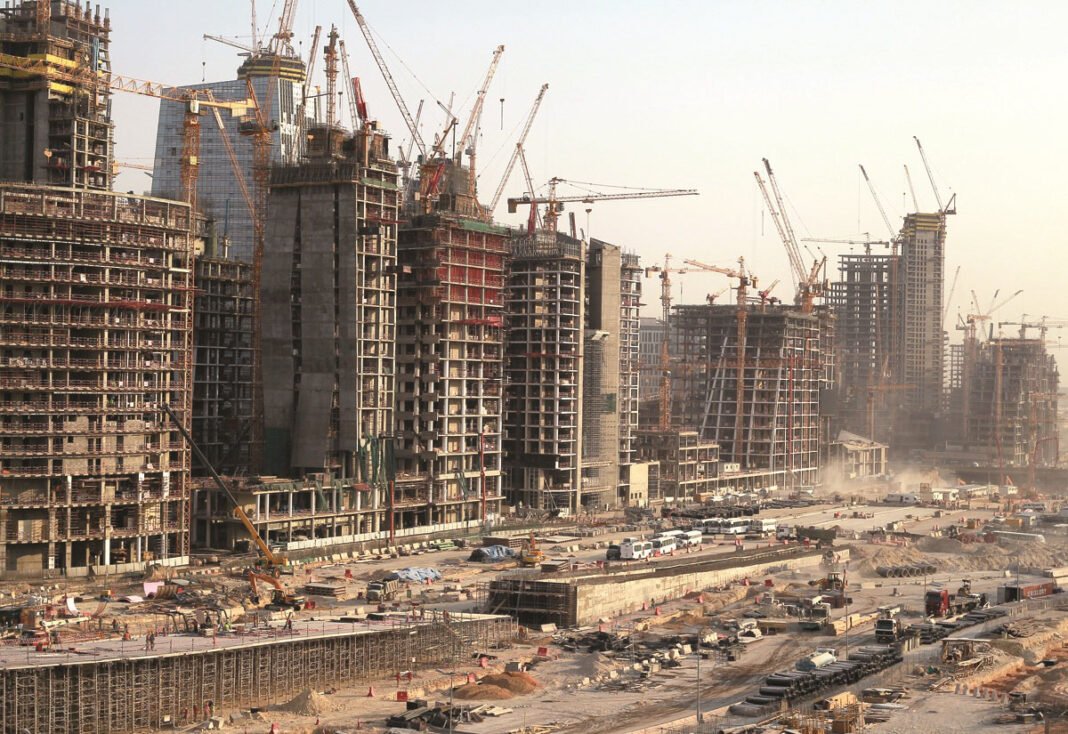
Saudi Infrastructure development is creating new lending opportunities as the Kingdom expands private-sector participation. Banks are increasingly financing projects across water, energy, transport, housing, and digital infrastructure. Moreover, government initiatives aim to attract private capital and strengthen long-term economic growth. This shift also encourages lenders to explore new financing models beyond traditional corporate loans.
Saudi Arabia’s National Infrastructure Fund supports efforts to mobilize private investment for major development projects. Meanwhile, the National Privatization Strategy targets more than $64 billion in private-sector investment by 2030. The strategy also aims to establish over 220 public-private partnership contracts. Consequently, banks and private investors could play a larger role in delivering essential infrastructure.
Saudi banks are moving toward more structured financing as the Kingdom’s investment landscape matures. Previously, lenders supported rapid credit expansion to help fund the country’s economic transformation. Now, they are focusing more closely on project financing, capital-market funding, and efficient balance-sheet management. Furthermore, some banks increasingly arrange and structure loans before distributing portions to other investors.
Industry experts describe this transition as a development in financing rather than a slowdown. Saudi banking growth has moderated following several years of strong lending activity. However, deposits have recently grown faster than loans, helping lenders rebalance their funding positions. This change could support more sustainable credit growth and improve financial flexibility.
Water infrastructure provides one example of the projects attracting private investment. The Jubail–Buraydah independent water transmission pipeline carries a reported value of SR8.5 billion. The 587-kilometre project will transport desalinated drinking water between the Eastern Province and Qassim. It can deliver up to 650,000 cubic metres daily once operational.
The project also includes nine strategic reservoirs with a combined capacity of 1.63 million cubic metres. These facilities will help strengthen water distribution and support growing regional demand. In addition, the project demonstrates how private participation can support large-scale infrastructure development. Such arrangements may create opportunities for banks to finance construction and related services.
Beyond major infrastructure projects, lenders can support contractors, suppliers, and smaller businesses throughout project supply chains. These companies often require working capital, trade finance, and corporate loans to manage their operations. Therefore, infrastructure spending can generate financing demand across a much wider business network. This approach could help domestic companies participate more actively in national development.
Energy, utilities, transport, housing, and industrial facilities also offer potential lending opportunities. At the same time, investment in artificial intelligence and data centres is creating demand for supporting infrastructure. These facilities require reliable electricity, connectivity, and other essential services. Consequently, banks may find new opportunities by financing the infrastructure behind emerging technologies.
Mining and downstream processing could also attract additional funding as industrial development continues. Meanwhile, manufacturing projects require energy supplies, transport links, and efficient logistics networks. These connected needs can create multiple financing opportunities around a single investment. As a result, lenders can diversify their portfolios across different sectors and business activities.
Saudi Infrastructure growth also extends beyond the Kingdom’s largest flagship developments. Housing, healthcare, education, tourism, commercial buildings, and utilities require continuing investment. These projects could sustain demand for loans even when spending on major developments changes. Moreover, they can support recurring financing needs among contractors, suppliers, and service providers.
Construction activity remains an important driver of lending demand. Industry estimates suggest that Saudi banks finance around 60 percent of construction spending. This exposure gives lenders a significant role in supporting the sector’s development. However, banks must assess project costs, repayment capacity, and commercial viability carefully.
Looking ahead, spending priorities could increasingly favour digital infrastructure, advanced technology, renewable energy, and manufacturing. These sectors align with Saudi Arabia’s wider economic diversification objectives. Nevertheless, lenders must balance growth opportunities with disciplined capital allocation and risk management. Strong project execution and reliable revenue streams will remain essential for long-term returns.
Overall, Saudi Infrastructure investment is reshaping how banks approach lending and project finance. Public-private partnerships, supply-chain financing, and emerging industries are widening the range of opportunities. Meanwhile, continued development across essential services could sustain demand for credit. This evolving landscape places banks in a central position as Saudi Arabia advances its economic transformation.