



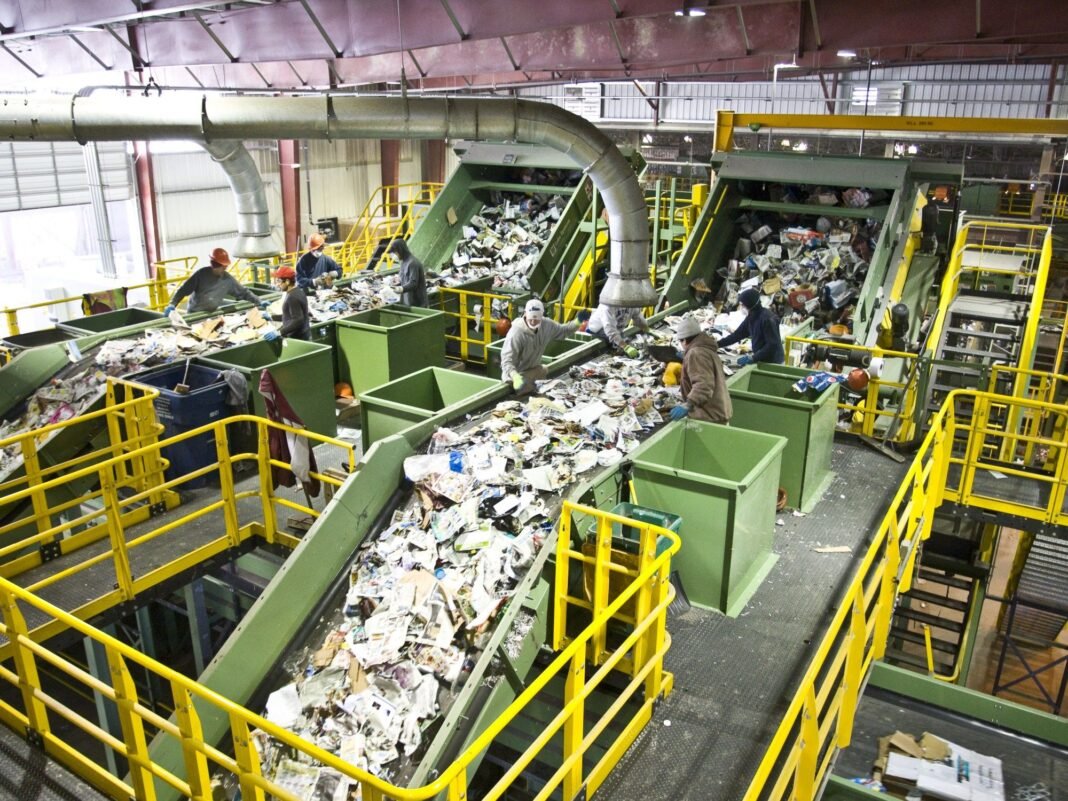
Qatar waste technology is creating new opportunities to turn discarded materials into useful economic resources. New solutions can convert food waste and biomass into compost, biofuels, and other energy products. Meanwhile, these technologies could help Qatar reduce emissions and improve waste management. The developments also support the country’s wider environmental and economic goals.
Kingdom Konsultate is promoting several technologies focused on sustainability and climate solutions. The company has worked with Qatar’s municipal sector for more than six years. During that period, it introduced technologies designed to support environmental objectives. In addition, the company advises organisations on sustainability strategies and climate technology.
Katina Aghayan, the company’s chief executive, highlighted waste-to-fuel solutions during a sustainability conference. The sixth Recycling Towards Sustainability Conference and Exhibition took place in Qatar. The Ministry of Municipality organised the event to promote recycling and sustainable practices. Aghayan discussed ways businesses could gain value from organic waste.
The company is focusing on several technologies that can process biomass waste. These include biofuel, biodiesel, and bio-LNG production. Such solutions could create alternative energy sources while reducing pressure on waste disposal systems. Furthermore, they could help businesses develop new revenue opportunities from existing waste streams.
Aghayan also presented the concept of turning waste into fuel. The approach treats biomass as a resource rather than simply discarded material. Consequently, businesses could explore commercial models around waste processing and energy production. This could also support efforts to reduce pollution and greenhouse gas emissions.
Kingdom Konsultate has also signed an exclusive partnership with a Saudi company. The agreement will introduce B100 biodiesel technology to Qatar and wider regional markets. B100 contains 100% biodiesel and targets lower carbon emissions from fuel use. Therefore, the product could support organisations seeking practical decarbonisation solutions.
Another technology featured at the exhibition is CompoBot. The Hungarian system processes food waste and converts it into compost. Users can also monitor waste volumes and environmental impacts through the technology. As a result, organisations can track their progress while improving organic waste management.
CompoBot also connects with users through a mobile application. The system can serve locations such as homes, offices, and hospitality spaces. Moreover, users can monitor reductions in waste and related emissions. This combination could make recycling more accessible across different types of facilities.
Kingdom Konsultate is also developing solutions beyond food waste. Its activities include water recycling, microalgae applications, biofuel production, and emissions reduction. The company works with both government bodies and private-sector organisations. This broad approach could help expand sustainable technology across Qatar’s economy.
Qatar’s environmental strategy provides an important framework for these developments. The technologies support objectives linked to Qatar National Vision 2030. That vision places environmental development alongside broader economic and social priorities. Therefore, waste management can play a growing role in Qatar’s sustainability plans.
Government cooperation will also remain important for wider technology adoption. Aghayan highlighted collaboration with the Ministry of Municipality and environmental authorities. Such cooperation can help organisations develop practical sustainability projects. It can also support clearer pathways for introducing new environmental technologies.
Qatar waste technology could create benefits beyond reducing the amount of waste requiring disposal. Converting waste into fuel can create new sources of economic value. Composting can also return organic material to useful applications. Meanwhile, recycling technologies can help businesses measure and reduce their environmental impact.
The growing focus on waste solutions also creates opportunities for private investment. Companies can explore technologies that combine environmental benefits with commercial returns. In addition, local partnerships can help introduce international technologies to Qatar’s market. These developments could support new businesses around recycling, energy, and resource recovery.
Qatar waste technology is therefore becoming part of a broader green economy strategy. Businesses can potentially reduce waste while developing new products and revenue streams. At the same time, technology can support national efforts to lower environmental impacts. Continued cooperation could accelerate the adoption of practical solutions across multiple sectors.
The focus on waste conversion reflects a wider shift toward resource efficiency. Instead of treating waste as an end product, companies can recover valuable materials. This approach can reduce disposal needs while supporting alternative energy and recycling markets. Ultimately, Qatar’s growing sustainability sector could connect environmental progress with new economic opportunities.

