



Saudi Travel Trends are shifting as holidaymakers seek meaningful experiences, better value, and trips that match their personal interests. A new report from Skyscanner highlights seven travel trends expected to influence Saudi travellers in 2027. These include digital detoxes, fitness-focused holidays, music experiences, and shopping trips built around exclusive products. Furthermore, the findings reveal how technology, social media, and currency movements increasingly influence travel decisions.
The report combines travel data with feedback from more than 28,000 travellers. It also draws on insights from international partners across fitness, finance, entertainment, and outdoor activities. According to the findings, 89% of surveyed Saudi travellers plan to travel abroad as much as, or more than, in 2027. However, many holidaymakers also want to manage their budgets carefully. Around 50% expect to spend more on flights, while 38% anticipate higher accommodation costs.
Skyscanner chief executive Bryan Batista said travellers increasingly value meaningful experiences and greater confidence when booking holidays. He also highlighted the importance of flexibility, transparency, and reliable information amid geopolitical uncertainty. Meanwhile, artificial intelligence is beginning to influence how some travellers research and organise their trips.
One emerging trend, called Signal Severance, focuses on escaping constant digital connectivity. In Saudi Arabia, 12% of surveyed Generation Z travellers want to disconnect as much as possible during their next holiday. Nature-focused destinations are also attracting more attention. Searches for Auckland increased 43% year-on-year, while Helsinki recorded a 41% rise. Searches for Sakaka in Saudi Arabia also grew by 36%.
Another trend, Pilgra-merch, reflects growing interest in products available only at specific destinations. Around 73% of surveyed Saudi travellers visited a particular destination or store during the past year to purchase exclusive items. These purchases range from local clothing to traditional crafts. Consequently, shopping increasingly forms part of the travel experience rather than simply an activity during a holiday.
Multi-Mooning highlights couples choosing several smaller trips instead of one traditional honeymoon. In Saudi Arabia, 34% of respondents preferred multiple holidays or mini-moons. That figure reached 39% among Generation Z travellers and 34% among Millennials.
Historical destinations also remain attractive through the Grand Odysseys trend. This category covers journeys inspired by ancient civilisations, historical events, myths, and famous stories. Among Saudi respondents influenced by these themes, 42% mentioned epic films and television productions. Additionally, engagement with cinematic travel content increased significantly across social media.
Fitness is another important influence on Saudi Travel Trends. The Gym-cation trend reflects growing demand for hotels that support exercise and nutritional goals. Around 89% of surveyed Saudi Millennials said they would definitely or probably book accommodation offering performance-focused breakfast options. Meanwhile, 41% of Generation Z respondents actively seek hotels with strong fitness facilities.
Music and cultural events also shape destination choices. The Sound Bound trend explores travel inspired by music beyond conventional stadium concerts. In Saudi Arabia, 27% of Generation Z and Millennial respondents expressed interest in carnival experiences. Another 29% preferred music events in unusual locations, including caves, pyramids, and volcanic landscapes.
Currency movements also influence holiday planning. Under the Currency Chasers trend, travellers compare exchange rates to maximise their spending power. Among Saudi respondents who consider currency movements, 57% changed destinations because another location offered better value. The proportion increased to 68% among Generation Z travellers.
Destination searches also revealed several emerging favourites. Bishkek in Kyrgyzstan recorded a 109% year-on-year increase among Saudi travellers. Ankara in Türkiye followed with an 83% rise, while Da Nang in Vietnam increased 70%. Nairobi in Kenya recorded a 69% increase.
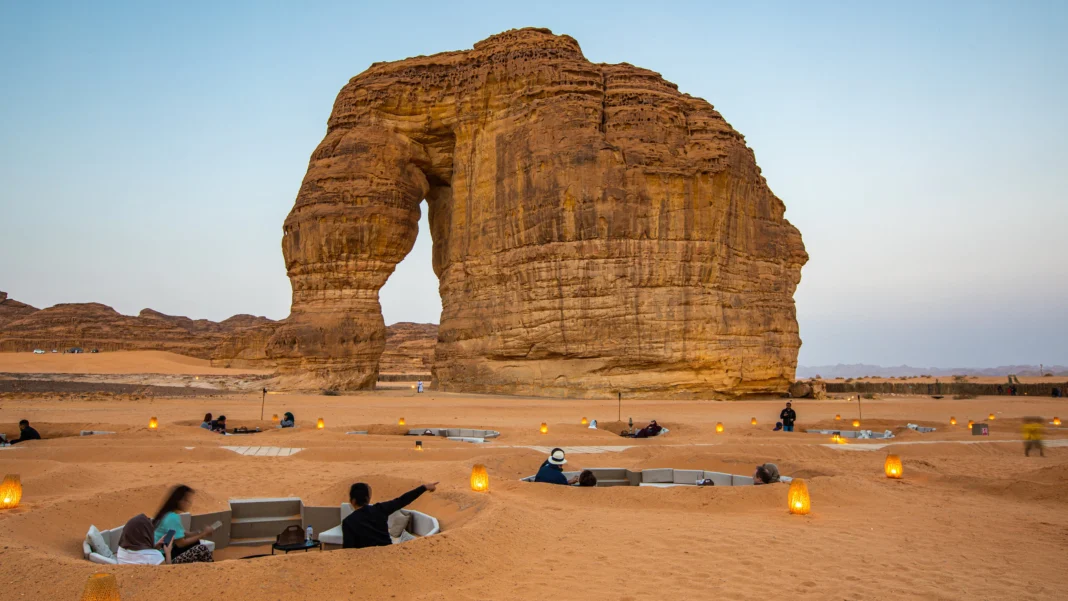
Meanwhile, some destinations offered lower average airfares than the previous year. Melbourne recorded a 37% decline, followed by Berlin at 34% and Rabat at 31%. Within Saudi Arabia, average airfares to AlUla fell 20%, potentially making heritage and desert experiences more affordable.
Technology and social media continue to influence travel planning. Cheap flights became the most popular prompt on Skyscanner’s artificial intelligence travel exploration tool over six months. Furthermore, 58% of surveyed Saudi travellers used TikTok for inspiration, followed by YouTube at 53% and Instagram at 41%. Family and friends also influenced decisions for 26% of respondents.
Safety remains the leading priority among future adult travellers. In a separate survey of 100 Saudi teenagers aged 17, 43% identified safety as their main destination consideration. Weather followed at 39%, while affordable flights, local culture, and language each received 31%.
Travel opportunities may also influence education choices. Around 42% said they would consider a university or further education opportunity because it offered the chance to live somewhere new. Overall, Saudi Travel Trends suggest that travellers will continue pursuing international holidays while prioritising affordability, flexibility, and personalised experiences in 2027.