



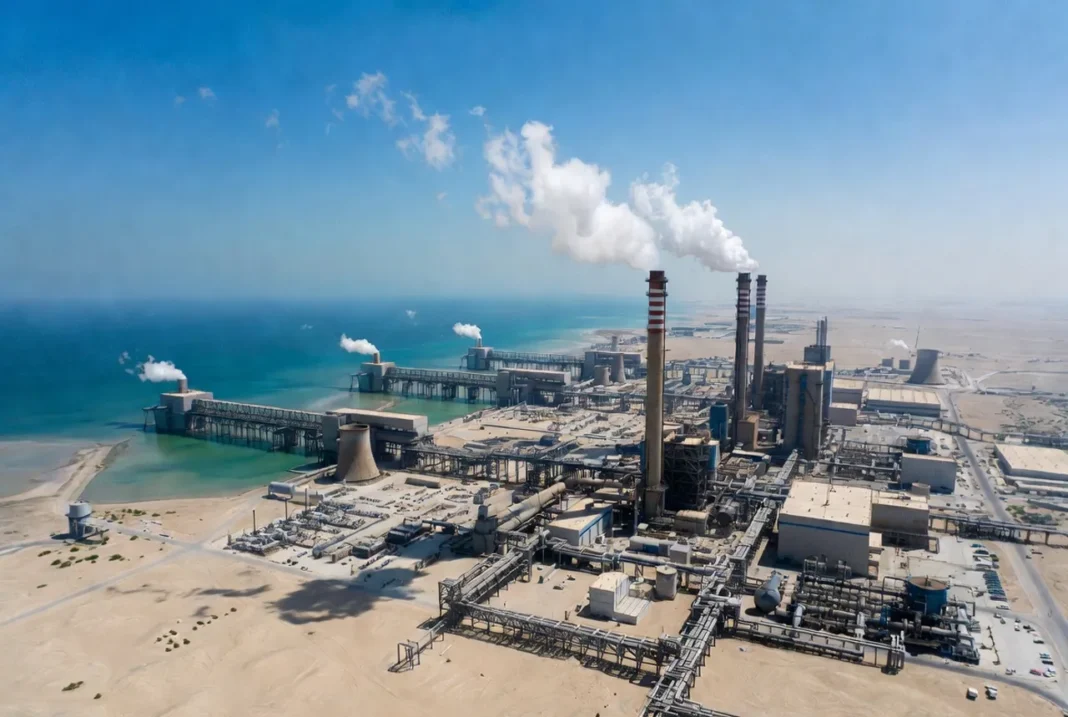
Kuwait desalination capacity is set to expand as construction moves closer on a new water treatment facility. The project aims to strengthen the country’s water infrastructure and improve long-term water security.
Kuwait’s Heavy Engineering Industries & Shipbuilding Company has signed a contract for the new plant. The agreement covers the design and construction of the facility under the latest development programme.
The plant will stand in the Doha district of Kuwait. The project carries a total value of about KD114 million. That figure equals approximately $372 million at current exchange rates.
The project involves cooperation with Indian engineering company VA Tech Wabag. Construction should take around 36 months to complete under the agreed development schedule.
After construction, the project will enter a five-year operation and maintenance period. This arrangement should support the facility’s performance over the longer term and maintain reliable operations.
The new facility will also use solar energy for part of its power requirements. Therefore, the plant could reduce its overall carbon footprint while improving energy efficiency.
Officials have not yet provided detailed information about the plant’s production capacity. However, the project forms part of Kuwait’s wider infrastructure development plans and national water strategy.
The country expects continued demand for essential services as its economy develops. Population growth could also increase pressure on existing water supplies across the coming years.
Consequently, Kuwait needs reliable infrastructure to secure long-term access to drinking water. Desalination already plays a central role in meeting that demand for households and businesses.
Around 90 percent of Kuwait’s drinking water comes from desalination facilities. Therefore, new projects remain essential for the country’s water security and future supply needs.
The latest project also comes during a period of heightened regional uncertainty. Earlier this year, attacks targeted critical infrastructure across parts of the Gulf region.
In July, Iran targeted several Kuwaiti desalination and power facilities. Those incidents highlighted the importance of protecting vital water infrastructure against future security threats.
Kuwait depends heavily on desalination because of its limited natural freshwater resources. Any disruption could therefore create significant pressure on domestic water supplies and public services.
The new plant could provide additional resilience as Kuwait expands its infrastructure network. It could also support future residential and commercial development across growing urban areas.
Furthermore, the use of solar power reflects growing interest in lower-emission infrastructure. Kuwait can reduce part of the facility’s energy requirements through renewable generation and cleaner power sources.
The project will require three years of construction before operations begin. Following completion, the operator will provide maintenance services for five additional years under the contract.
This long-term arrangement should help support consistent plant performance. It could also ensure technical expertise remains available after construction ends and operations begin.
Meanwhile, the involvement of an international engineering partner adds further technical capabilities. The partnership combines local industrial experience with specialist desalination expertise and international project knowledge.
Kuwait has continued investing in infrastructure despite regional economic challenges. Water security remains a particularly important priority for the Gulf state and its growing population.
The government also wants infrastructure capacity to match potential economic expansion. Stronger water supplies could support industrial, commercial, and residential projects across Kuwait.
However, regional security risks remain an important consideration. Water and power facilities have become increasingly important targets during periods of conflict and regional instability.
Therefore, future infrastructure projects may require stronger protection measures. Authorities could also focus more heavily on energy efficiency and renewable power solutions.
The solar component provides one example of this changing approach. It could help lower emissions while supporting part of the plant’s electricity needs during operations.
Kuwait desalination investment could also strengthen the country’s broader sustainability efforts. Renewable energy integration may become more important across future infrastructure developments and major public projects.
The project also highlights the scale of Kuwait’s dependence on desalinated water. With most drinking water coming from these facilities, reliable operations remain essential for national stability.
At the same time, rising demand could require additional capacity over the coming years. Population trends and economic expansion could increase pressure on existing plants and networks.
The new facility should therefore contribute to Kuwait’s long-term water strategy. Its development will also create opportunities for engineering and infrastructure companies operating across the region.
Once construction begins, the project will enter a lengthy development phase. Contractors will then focus on completing the facility within the planned schedule and technical requirements.
The subsequent maintenance period should help ensure reliable operations. Meanwhile, solar power could provide an additional environmental benefit throughout the plant’s lifecycle and daily operations.
Overall, Kuwait desalination infrastructure continues to expand as the country prepares for future demand. The $372 million project represents a significant investment in water security and national resilience.
The facility could also strengthen resilience against future supply disruptions. Additionally, its renewable energy component supports Kuwait’s efforts to develop more efficient infrastructure and sustainable utilities.
As construction progresses, further details about production capacity may become available. For now, the project marks another major step in Kuwait’s water infrastructure development and long-term planning.

