



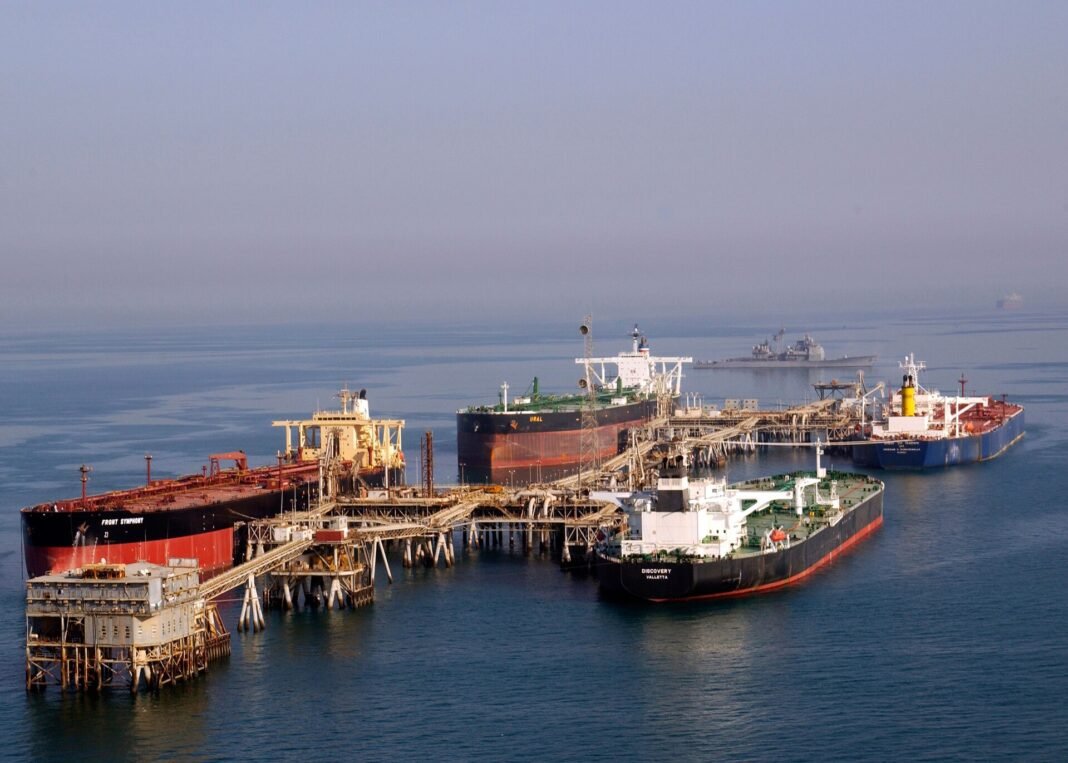
Kuwait Oil is moving back into focus as the country prepares to increase energy exports through the Strait of Hormuz. Recent developments have encouraged producers across the Gulf region to plan for higher shipment volumes. As a result, Kuwait has started offering petroleum products for loading at its domestic ports. This move highlights growing confidence in the recovery of regional trade flows and supports the outlook for Kuwait Oil exports.
Kuwait Petroleum Corporation has launched a new tender to sell naphtha cargoes from ports located along the Gulf coast. Under the arrangement, buyers can collect shipments directly from Kuwaiti facilities. Consequently, the tender marks an important step toward restoring normal export operations.
The latest offer signals optimism among Gulf energy producers. In recent months, uncertainty surrounding the Strait of Hormuz disrupted shipping activities and reduced export volumes. However, producers now expect improved conditions and greater access to international markets.
During periods of heightened tension, Kuwait adopted alternative measures to manage exports. Buyers often arranged their own transportation to collect petroleum products from Kuwaiti ports. Therefore, trading activity became more complex and less predictable.
Although conditions have improved, uncertainty still remains. Shipping activity through the Strait of Hormuz continues to face occasional disruptions. Nevertheless, regional producers are taking steps to prepare for higher production levels and stronger export demand.
The Strait of Hormuz remains one of the world’s most important energy corridors. Large volumes of crude oil and petroleum products travel through the route every day. Consequently, any disruption can affect global energy markets and supply chains.
Kuwait depends heavily on the waterway for its exports. Unlike some neighboring producers, the country has limited alternative routes for large-scale energy shipments. Therefore, stable access to the strait remains essential for economic activity and export growth.
Energy officials have expressed confidence in the recovery process. They expect shipping operations to improve further in the coming weeks. In addition, they believe export activity can return to more normal levels if commercial traffic continues to increase.
Kuwait also plans to raise oil production significantly. Officials expect output to climb sharply from recent levels. As a result, the country could restore production volumes that declined during earlier disruptions.
Industry analysts note that higher production would support additional export opportunities. Furthermore, stronger output could help Kuwait meet international demand as market conditions stabilize. This strategy may also strengthen the country’s position within global energy markets.
At the same time, market participants continue to monitor geopolitical developments closely. Any change in regional conditions could influence shipping activity and energy flows. Therefore, producers remain focused on maintaining flexibility and operational readiness.
Looking ahead, Kuwait Oil remains a key component of the country’s economic strategy. Increased production, improved shipping conditions, and stronger export activity could support growth across the energy sector. If stability continues, Kuwait Oil exports may recover further and contribute to a broader improvement in regional energy trade.

