



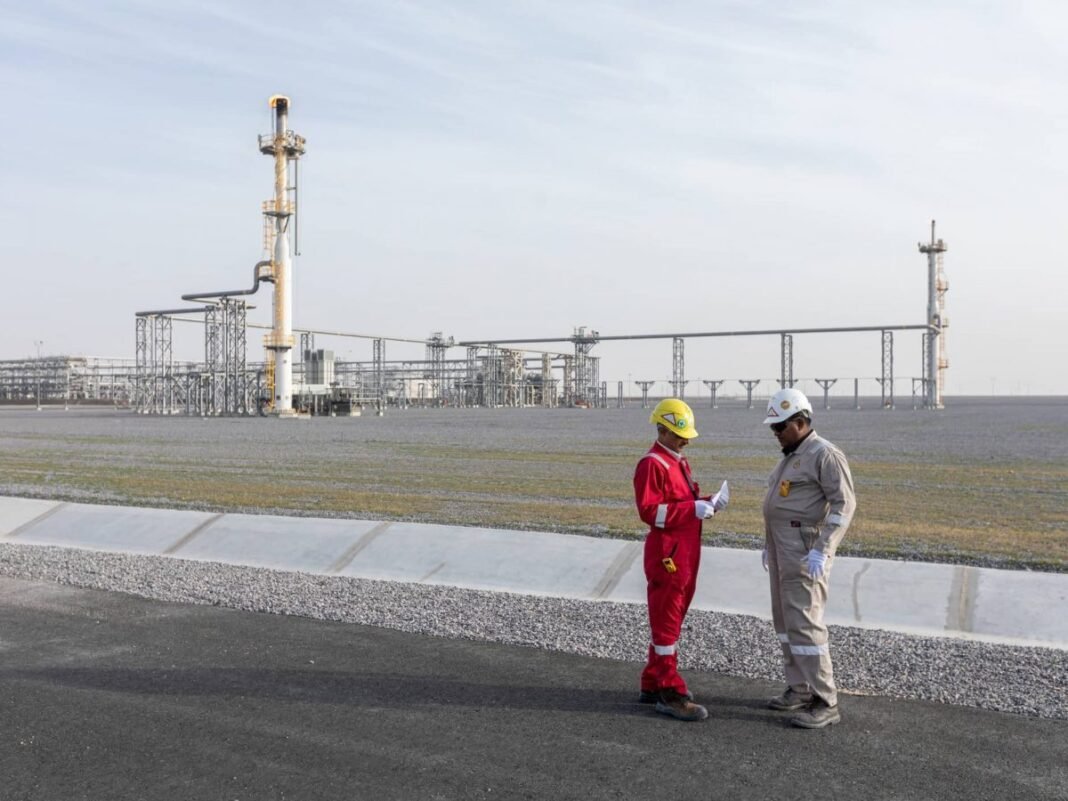
Kuwait Oil Recovery has become a major focus as the country works to restore crude oil production following recent disruptions. The government now expects output to move closer to 2 million barrels per day in the near term. Moreover, improving regional shipping conditions have increased confidence in the recovery process.
Officials from Kuwait Petroleum Corporation said the country is preparing to rebuild production capacity and strengthen export operations. In addition, recent improvements in maritime transportation routes have created favorable conditions for higher output. As a result, Kuwait is moving forward with plans to increase production levels.
Earlier disruptions placed significant pressure on Kuwait’s oil industry. During that period, export routes faced major restrictions, which forced companies to adjust operations. Consequently, production levels dropped well below previous averages and raised concerns about supply continuity.
The Strait of Hormuz remains one of the most important routes for Kuwait’s energy exports. The strategic waterway connects Gulf producers with international markets. Therefore, any disruption in the area can quickly affect exports, production decisions, and energy revenues.
During the disruption period, Kuwait significantly reduced crude output to match export limitations. Meanwhile, energy companies adjusted operational plans to manage the situation effectively. As a result, lower production affected both export volumes and market expectations.
However, Kuwait quickly began preparing for a gradual recovery. Officials explained that the country can restore previous production levels once shipping activities normalize. Nevertheless, the pace of recovery will continue to depend on stable regional conditions and uninterrupted maritime access.
The oil sector remains the backbone of Kuwait’s economy. Energy exports generate a substantial share of government revenue and foreign earnings. Therefore, restoring production capacity remains a critical national objective for economic stability and future growth.
Furthermore, higher production levels could influence global oil markets. Traders and investors continue monitoring supply developments across the Gulf region. At the same time, energy producers are assessing how quickly operations can return to normal.
Although some regional exporters possess alternative transportation routes, Kuwait continues focusing on long-term energy security. Moreover, authorities are working to strengthen infrastructure and improve resilience against future disruptions. These efforts support the country’s broader energy strategy.
The reopening of key shipping routes has created new opportunities for Kuwait’s oil industry. In addition, producers can now resume more regular export activities as regional conditions improve. Consequently, confidence has started returning to the sector.
Kuwait Oil Recovery also highlights the importance of secure maritime infrastructure in global energy markets. Furthermore, the recent challenges demonstrated how regional events can quickly affect international supply chains and oil prices.
Energy analysts continue watching developments closely. For example, changes in production volumes could influence market balances and future pricing trends. Meanwhile, investors remain cautious as regional stability continues to evolve.
Kuwait has also increased efforts to reduce future risks. In addition to restoring production, the country is exploring measures that strengthen energy security and support economic diversification. Therefore, policymakers are focusing on both immediate recovery and long-term resilience.
The Kuwait Oil Recovery outlook depends on several factors. These include stable shipping conditions, global energy demand, and broader geopolitical developments. Nevertheless, current indicators suggest that the recovery process is moving in a positive direction.
As production gradually increases, Kuwait expects stronger export performance and improved energy sector activity. Moreover, officials aim to maintain reliable supplies for international customers while supporting market stability.
Overall, the Kuwait Oil Recovery process represents an important stage for the nation’s energy industry. Although challenges remain, improving shipping conditions and stronger operational planning are helping restore confidence. Consequently, Kuwait appears well positioned to rebuild output and strengthen its role in global energy markets.