



Qatar peace talks efforts are gaining attention as Doha seeks to ease tensions between Washington and Tehran. The diplomatic push comes as oil prices continue falling and shipping activity through the Strait of Hormuz remains below normal levels. Qatar hopes renewed dialogue can improve regional stability and reduce risks to energy markets.
Brent crude declined 0.8 percent to around $87.25 per barrel during Thursday trading. US West Texas Intermediate also fell 0.7 percent to $81.63. Both benchmarks have dropped nearly 8 percent over five days. However, prices remain more than 40 percent higher compared with the beginning of 2026.
Qatar’s Prime Minister Sheikh Mohammed bin Abdulrahman Al Thani plans to visit Tehran as part of the diplomatic effort. The visit aims to support communication between Iran and the United States. Qatar wants to reduce tensions and create conditions that could allow negotiations between Washington and Tehran to resume.
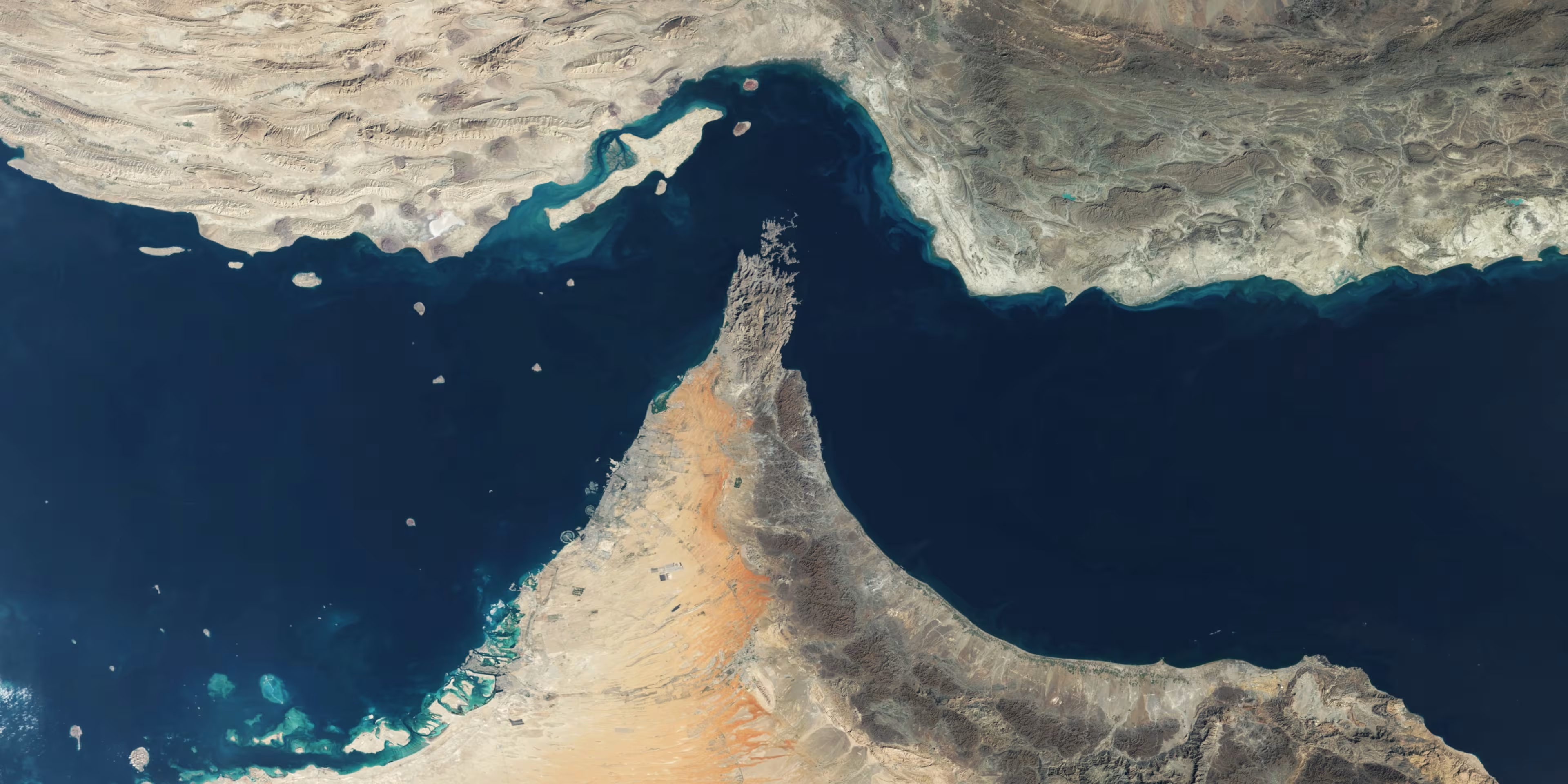
Freedom of navigation through the Strait of Hormuz will receive particular attention during the diplomatic discussions. The waterway remains one of the world’s most important routes for energy shipments. Any prolonged disruption could affect crude supplies, shipping costs, global markets, and energy prices across major economies.
Qatar also wants navigation conditions to return to those that existed before February 28. That date marked the beginning of the latest regional conflict. Shipping activity through Hormuz has remained below normal since the conflict began, with security concerns affecting commercial vessels and energy transportation.
Oman and Iran have also discussed measures aimed at improving navigation through the strategic waterway. The countries are working on a framework for a temporary maritime corridor. The proposal could create a safer route for commercial vessels while also supporting efforts to remove mines from shipping routes.
These diplomatic and maritime efforts could gradually improve shipping conditions if regional tensions decline. Consequently, energy markets are closely monitoring developments involving Qatar, Iran, Oman, and the United States. Any progress could reduce concerns about potential supply disruptions and lower the geopolitical premium included in oil prices.
Oil prices have already responded to signs of possible de-escalation. Traders often reduce risk premiums when the possibility of supply disruptions declines. However, markets remain cautious because diplomatic progress has not yet produced a permanent solution to the wider regional security situation.
Security concerns remain particularly important around the Strait of Hormuz. A tanker encountered an unidentified projectile during its passage on Tuesday night. Maritime authorities reported that the incident did not cause serious injuries or environmental damage, but it highlighted continuing risks for commercial shipping.
Shipping activity showed a modest improvement on Wednesday. Ten commodity vessels crossed the Strait of Hormuz during the day, compared with eight visible transits recorded on Tuesday. Nevertheless, traffic remains well below normal conditions as shipping companies continue assessing security risks before sending vessels through the waterway.
Meanwhile, pressure on Iran has increased following new US economic measures. Washington recently announced another initiative targeting Iranian economic activities. Iranian officials have opposed the measures and urged international institutions to challenge the sanctions, adding another complication to the diplomatic process.
Qatar therefore faces a difficult task as it attempts to restart negotiations between Washington and Tehran. Doha has previously played an important mediation role in regional diplomacy. Its latest effort could help establish communication between the two sides and create opportunities for broader discussions.
A successful diplomatic process could benefit energy markets and commercial shipping. Improved relations could reduce risks around the Strait of Hormuz and support more predictable energy flows. It could also improve investor confidence across Gulf markets by reducing concerns about prolonged regional disruption.
Regional stock markets showed mixed performance during Wednesday trading. Saudi Arabia’s main index gained 0.3 percent, while Dubai’s stock market increased 0.6 percent. Abu Dhabi’s benchmark index declined 0.3 percent, reflecting continued uncertainty among regional investors.
Qatar peace talks could therefore have wider economic consequences beyond diplomacy. Progress could support shipping, energy trade, financial markets, and business confidence across the Gulf. However, investors remain cautious because any renewed escalation could quickly reverse recent improvements in market sentiment.
For oil markets, the Strait of Hormuz remains a central concern. Any sustained improvement in navigation could reduce fears about supply disruptions and place further pressure on crude prices. Conversely, renewed security incidents could increase risk premiums and push oil prices higher again.
Qatar’s upcoming visit to Tehran represents an important diplomatic step. The outcome could influence regional stability and energy market sentiment. Investors will closely monitor discussions involving navigation, sanctions, regional security, and the possibility of renewed negotiations between Iran and the United States.
For now, oil prices remain under pressure as traders assess the possibility of de-escalation. Yet, risks around Hormuz continue to limit confidence. Qatar’s diplomatic efforts could provide a pathway toward renewed dialogue, but progress will depend on whether Washington and Tehran can find common ground.