



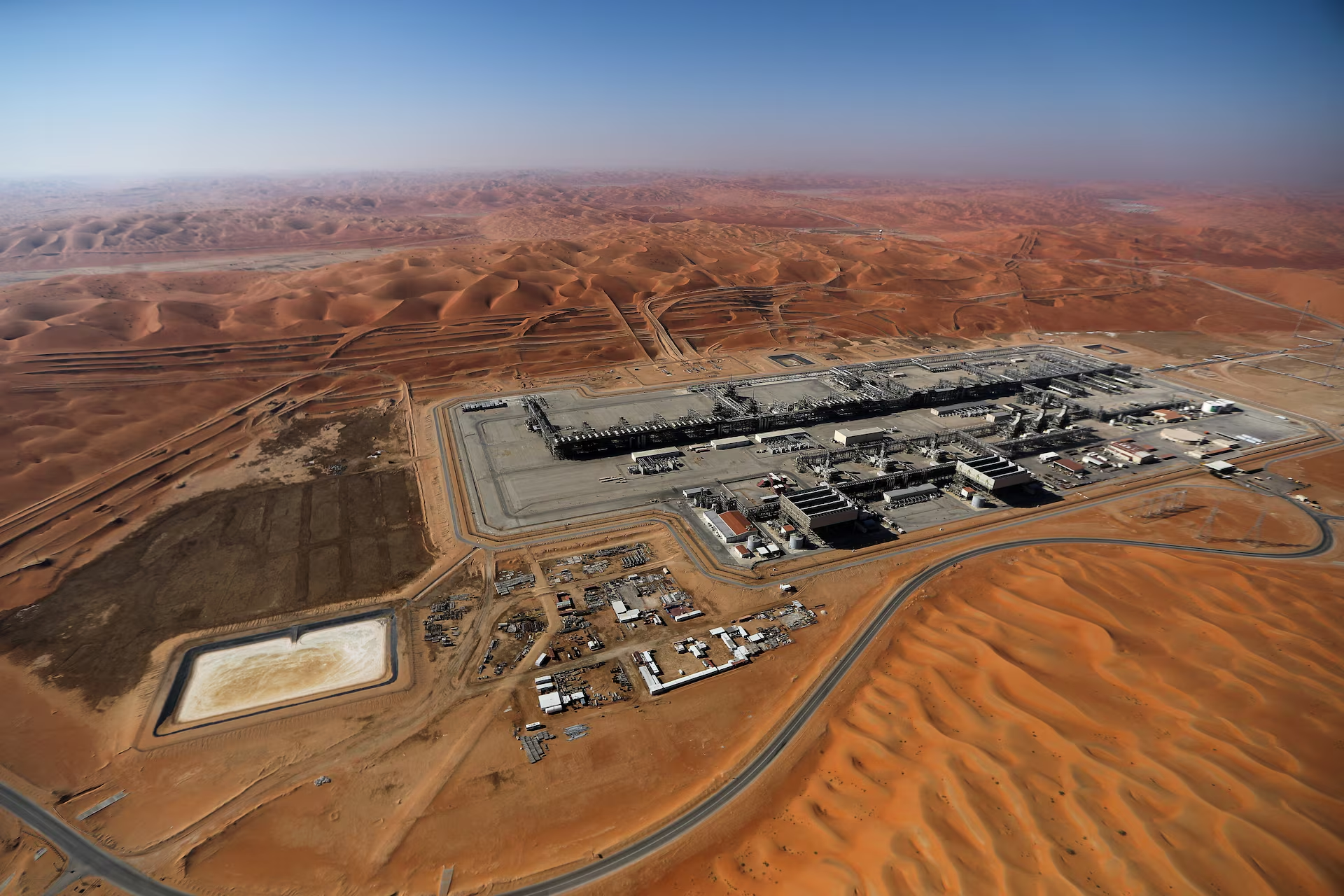
Saudi pipeline plans have gained fresh attention as the Kingdom explores new options to strengthen regional energy exports. The proposed project could improve crude transportation while reducing reliance on the Strait of Hormuz. In addition, the initiative may create new export opportunities for neighbouring Gulf producers.
Saudi Arabia is evaluating plans to expand the capacity of its East-West oil pipeline. The pipeline connects oil fields in the eastern region with the Red Sea port of Yanbu. Officials continue preliminary discussions while examining several development options.
The existing pipeline already plays a vital role in the country’s energy network. It enables crude shipments to reach international markets without passing through the Strait of Hormuz. As a result, it has become increasingly important during periods of regional instability.
The pipeline currently transports up to seven million barrels of crude oil per day. Around two million barrels supply refineries along Saudi Arabia’s western coast. Meanwhile, the remaining capacity supports exports through Red Sea terminals.
Saudi pipeline expansion discussions also include possible cooperation with neighbouring Gulf countries. Officials have reportedly examined ways to increase capacity by up to two million barrels per day. However, authorities have not announced a final decision.
Several development options remain under consideration. Engineers could upgrade the existing infrastructure to handle higher volumes. Alternatively, planners could build additional pipeline sections to support future growth.
Some proposals also include a separate pipeline for refined petroleum products. Such infrastructure could improve transportation efficiency across the region. Furthermore, it could provide greater flexibility during supply disruptions.
Neighbouring countries continue searching for reliable export alternatives. Kuwait, Bahrain, and Qatar currently lack direct routes that bypass the Strait of Hormuz. Consequently, they remain vulnerable during regional shipping disruptions.
Iraq also faces transportation challenges despite having an export pipeline to Türkiye. Operational disputes and repeated shutdowns continue limiting its export capacity. Therefore, additional regional infrastructure could improve export reliability.
Industry leaders have confirmed ongoing discussions regarding future cooperation. Regional energy companies continue exploring practical solutions that support long-term supply security. However, these talks remain at an early stage.
Experts believe the proposed expansion would require significant financial investment. Construction costs could reach several billion dollars. In addition, the project would likely take several years to complete.
Analysts also expect pricing structures to require adjustments if export capacity increases. Market conditions may influence future decisions throughout the planning process. Therefore, officials continue evaluating commercial and operational factors.
Regional conflicts have highlighted the importance of diversified export routes. Earlier disruptions affected millions of barrels of daily oil production. Although some shipments have resumed, export levels remain below previous volumes.
Saudi pipeline development could strengthen energy security across the Gulf region. Additional capacity would provide producers with greater flexibility during future disruptions. Moreover, buyers could benefit from more stable export flows.
Qatar also continues examining possible alternatives for its energy exports. Several options reportedly involve regional cooperation with neighbouring countries. However, technical challenges remain under review.
The United Arab Emirates continues expanding its own export infrastructure. Future pipeline projects could increase capacity toward Fujairah. These investments reflect broader efforts to improve regional energy resilience.
Energy analysts believe Gulf producers will continue investing in strategic infrastructure. Reliable export routes remain essential for global energy markets. As a result, pipeline projects could shape future regional competition.
Overall, Saudi pipeline expansion remains under careful evaluation as discussions continue. Officials have not confirmed construction timelines or final investment plans. Nevertheless, the proposal highlights growing efforts to strengthen energy exports while reducing dependence on vulnerable maritime routes.

