



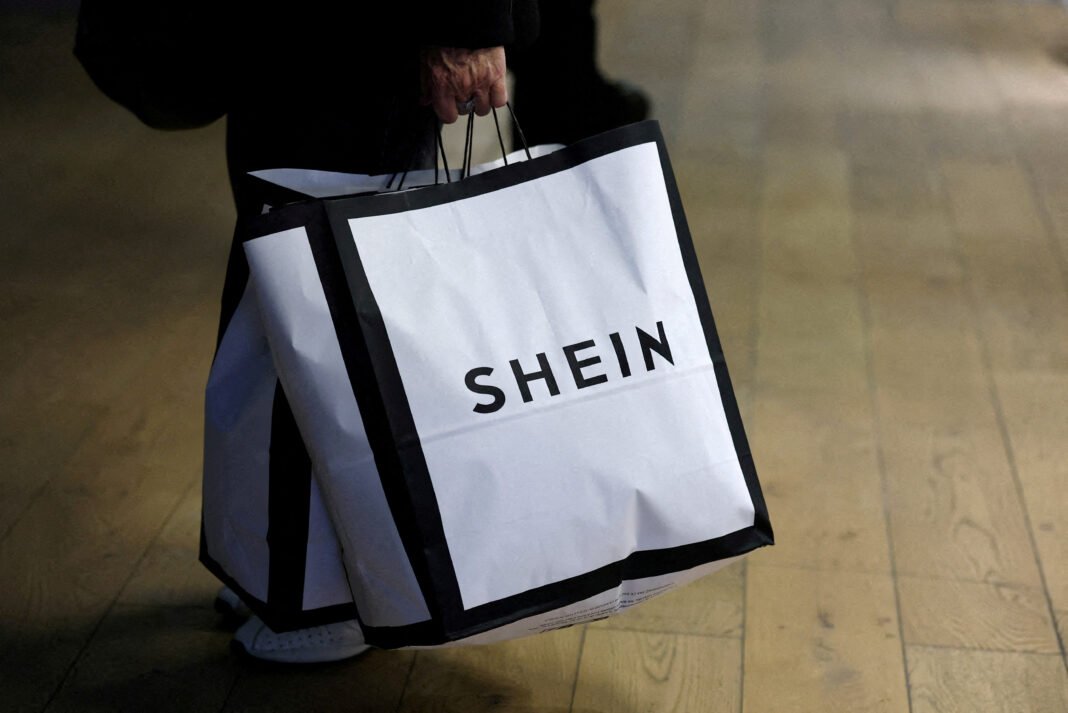
Shein IPO interest appears stronger among GCC institutional investors than regional retail investors. The Hong Kong listing has attracted major international investment interest. However, access remains more limited for individual investors across the Gulf.
The fast-fashion company launched its Hong Kong offering on August 24. Shein offered around 280 million Class B shares. The company set the price range between HK$47.60 and HK$49.50. The offering could raise approximately $1.8 billion from investors.
At that range, Shein would receive a valuation near $27 billion. That figure represents a major decline from its previous private-market valuation. The company reached almost $100 billion during its 2022 private funding round. Therefore, the current valuation represents a discount of roughly 70 percent.
Despite the lower valuation, institutional investors have shown strong interest. Market observers say the order book has already received substantial demand. Existing shareholders, China-focused funds, and multi-strategy investors have joined the offering. Cornerstone commitments have also reached approximately $383 million.
Several major investment groups lead those cornerstone commitments. Their participation has helped strengthen confidence around the listing. Meanwhile, GCC sovereign wealth funds have established connections with Shein. This background could encourage further institutional interest in the offering.
Abu Dhabi-based Mubadala has previously invested in the company. Entities linked to Mubadala also qualify for certain valuation protection arrangements. Saudi Arabia’s Public Investment Fund has also appeared among Shein’s previous backers. These connections underline the company’s existing ties with Gulf investors.
Consequently, regional institutional interest extends beyond the current IPO subscription. However, retail participation across the GCC remains less certain. Institutional investors and family offices generally have broader access to international investment channels. They can also assess overseas opportunities through established portfolio structures.
Retail investors face more limitations when accessing Hong Kong offerings. Their participation depends heavily on their banks and brokerage platforms. The Hong Kong public offer represents only 10 percent of the total issue. International investors will receive the remaining 90 percent.
Therefore, GCC institutions and family offices can primarily participate through international placement channels. Individual investors may need brokers supporting Hong Kong IPO applications. The retail application period closes on August 27. Shein expects to finalize the IPO price on August 28.
Trading could then begin on September 1. However, investors without direct IPO access can consider the secondary market. This option would allow them to assess early trading before making investment decisions.
The company’s valuation provides one of the strongest arguments for investor interest. Shein currently trades at a significant discount against major fashion competitors. Its valuation stands at roughly 0.7 times forecast sales. By comparison, H&M trades around 1.1 times expected sales.
Inditex carries a much higher valuation of roughly four times forecast sales. Therefore, investors may see Shein as relatively inexpensive. Nevertheless, the company faces significant challenges around growth and profitability. Investors will need to consider these risks carefully.
Revenue growth has slowed sharply over the past several years. Growth fell from 41.1 percent in 2023 to around 8 percent in 2025. Furthermore, first-quarter growth dropped to only 1.1 percent. The slowdown raises questions about the company’s future expansion.
Shein also recorded a $99 million net loss during the first quarter. The result included a substantial fair-value loss involving convertible shares. Full-year net income also declined during 2025. These figures highlight growing pressure on the company’s profitability.
Profit dropped 38.7 percent to approximately $2.06 billion. Meanwhile, annual revenue increased eight percent to around $41.8 billion. However, US revenue declined after changes to low-value import rules. These developments could continue affecting the company’s financial performance.
Therefore, investors must weigh the discounted valuation against slowing business momentum. A cheaper valuation does not automatically guarantee strong future returns. Investors should also consider regulatory, competitive, and profitability risks before buying shares.
Shein also faces pressure from tariffs and increasing competition. Changes in US trade policies could affect costs and consumer pricing. The company has responded by expanding beyond its traditional fast-fashion model. This strategy aims to create additional revenue opportunities.
Beauty and home products have become increasingly important to its business. Gross margins have also improved during the past two years. However, freight and duty costs continue to pressure profitability. Higher costs could limit the benefits of improved margins.
Shein is also developing a third-party marketplace strategy. The approach could create additional growth opportunities beyond its core products. It could also help the company diversify its revenue base and reach more consumers.
Competition remains another major concern for investors. Temu and Amazon continue competing aggressively across key international markets. Greater competition could pressure Shein’s prices, customer acquisition costs, and profit margins.
Europe represents another important area for Shein. The region contributes roughly one-third of the company’s revenue. However, European authorities continue considering additional customs charges on low-value imports. Such changes could significantly affect the company’s European operations.
Such measures could increase costs for Shein and its customers. The limited number of shares available at launch could also affect early trading. Supply constraints could create stronger price movements during the first sessions.
Only 6.6 percent of the company’s shares will enter the market initially. That limited supply could support the stock during its early sessions. However, investors will face another test when additional shares become available.
A larger pool of shares could enter the market in March. Consequently, the initial trading performance may not reflect longer-term market demand. Investors should therefore avoid judging the company solely on its first trading sessions.
Analysts say investors should focus on several factors beyond the IPO discount. Revenue growth, margins, cash generation, and consumer demand will remain important. These indicators will provide a clearer picture of Shein’s long-term performance.
US tariffs could also influence the company’s future profitability. Regulatory developments may create additional challenges across major markets. Investors will therefore need to monitor policy changes in the US, Europe, and other key regions.
At the same time, new marketplaces and product categories could provide fresh growth opportunities. Expansion beyond the US and Europe could also reduce geographic concentration. These strategies could help Shein offset weaker growth in established markets.
Overall, the Shein IPO offers GCC investors a potentially attractive but complicated opportunity. Strong institutional demand highlights confidence in the company’s long-term potential. The discounted valuation could also attract investors seeking exposure to global consumer markets.
However, slowing growth and rising competition create important risks. Therefore, investors may prefer to assess the stock after trading begins. Early market performance could provide useful information about demand and valuation.
Post-listing price movements could provide clearer evidence about investor sentiment. The company’s ability to restore growth will ultimately determine its longer-term valuation. For GCC investors, access, regulation, currency exposure, and business performance will also remain important considerations.