



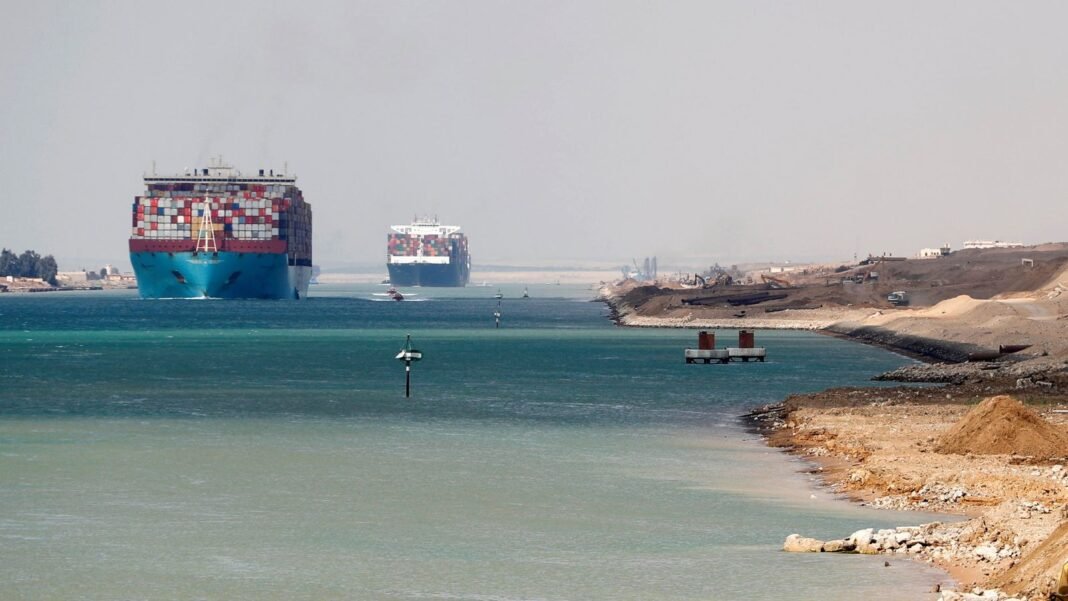
Hormuz shipping crisis concerns have increased after a new attack disrupted efforts to restore maritime movement through the strategic waterway. The incident created fresh uncertainty for shipping companies and regional markets. It also raised questions about the future of commercial traffic in the Gulf.
The International Maritime Organization paused its planned evacuation support for ships in the Strait of Hormuz. The decision followed an attack involving a commercial vessel traveling through the area.
Officials said the pause aims to protect sailors and maintain safe navigation. Furthermore, authorities want clearer conditions before restarting coordinated maritime operations.
The affected vessel continued its journey after the incident. However, the attack created renewed concerns among shipping companies operating in the region.
The Strait of Hormuz remains one of the world’s most important maritime routes. Millions of barrels of energy supplies normally pass through the waterway. Therefore, any disruption can affect global trade and energy markets.
Oil prices reacted shortly after news of the attack emerged. Prices initially increased because traders worried about supply risks. However, crude values later declined as markets adjusted.
Brent crude and US crude benchmarks both recorded decreases during early trading. Investors continued watching developments closely. Meanwhile, energy markets remained sensitive to security updates.
The incident occurred near Oman’s Musandam region. The area sits close to the entrance of the Strait of Hormuz. Its location makes it a key point for international shipping routes.
Maritime groups expressed concern about the situation. They said the attack could slow efforts to restore regular vessel movements. In addition, they called for clearer agreements between involved parties.
A recent understanding between Iran and the United States aimed to support the gradual return of shipping. The arrangement included steps to improve navigation safety. However, uncertainty remains around how vessels should operate.
Shipping companies continue facing several challenges. They must consider security risks, unclear procedures, and changing instructions. As a result, many operators remain cautious about sending vessels through the strait.
Some ships have already crossed the waterway successfully. Nevertheless, traffic remains below normal levels. Before regional tensions increased, hundreds of vessels passed through the area regularly.
The importance of the strait extends beyond shipping. It also affects international energy markets and regional economies. Consequently, governments continue monitoring developments.
The Gulf region relies heavily on stable maritime routes. Any prolonged disruption could influence transportation costs and supply chains. Therefore, businesses continue evaluating possible risks.
Officials have emphasized the importance of unrestricted navigation. They believe safe passage remains essential for long-term stability. Moreover, open shipping routes support economic cooperation across the region.
Financial markets in the Gulf showed limited movement after the latest developments. Investors continued assessing the broader impact of security concerns. However, market activity remained relatively steady.
The latest incident highlights ongoing challenges around regional maritime security. Hormuz shipping crisis concerns continue affecting decisions by shipping companies and traders. Furthermore, the situation demonstrates how quickly geopolitical events can influence global commerce.
Industry experts say confidence will depend on clearer communication and stronger security measures. Without these steps, operators may delay full returns to normal schedules.
The Strait of Hormuz remains central to global trade. Therefore, maintaining safe passage remains a priority for governments and businesses. Future developments will determine whether shipping activity can fully recover.

