



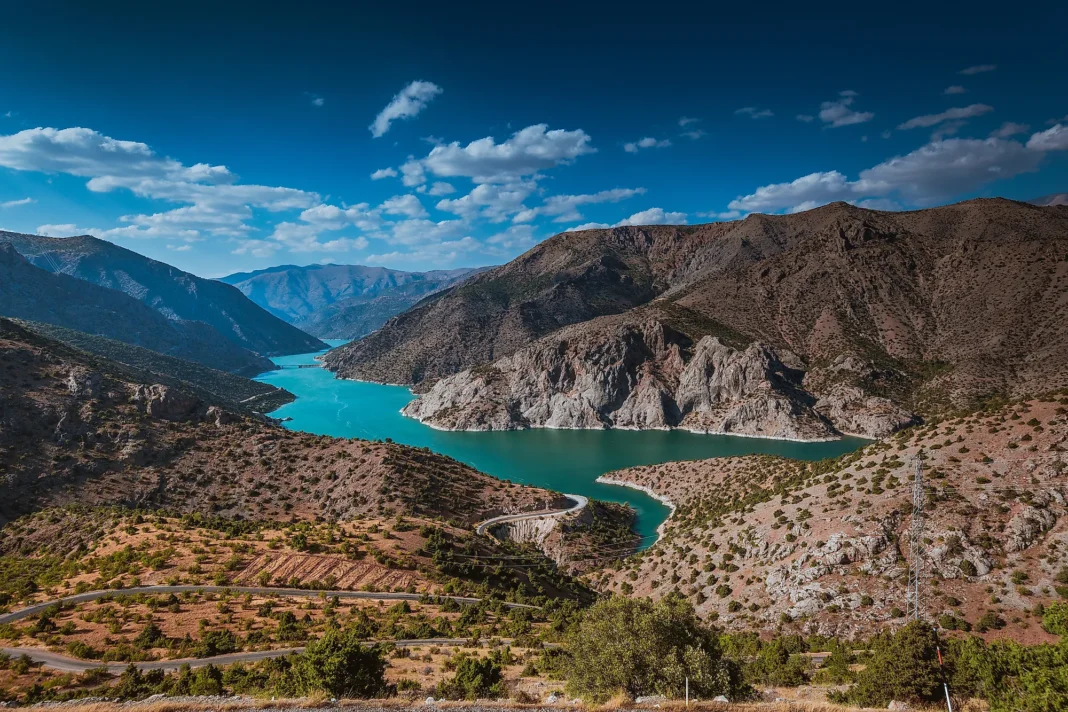
Iraq water flow has increased significantly after a new agreement with Turkey entered its implementation phase. The development marks an important step for Iraq as officials work to improve water security and strengthen cooperation with Ankara.
An advisor to the Iraqi prime minister said water volumes in the Tigris and Euphrates rivers have reached between 800 and 900 cubic meters per second. The latest figures represent roughly double the levels recorded during the same period last year.
The increase follows the implementation of a water cooperation agreement signed between Iraq and Turkey. Iraqi officials believe the arrangement will provide more stable river flows throughout the year. The agreement also builds on earlier discussions that began several years ago. Both countries have now moved toward practical implementation through a structured framework.
According to Iraqi officials, the new system creates a formula for managing seasonal and monthly water releases. Turkey will adjust water deliveries based on Iraq’s changing requirements throughout the year. Officials explained that the formula considers rainfall, reservoir levels, agricultural demand, and other seasonal factors. This approach aims to improve water management while reducing uncertainty during dry periods.
The advisor noted that Iraq currently benefits from strong reservoir levels following a successful rainy season. Major dams across the country have reached high storage levels after months of increased rainfall. Reservoirs including Mosul, Dukan, and Darbandikhan currently hold substantial water supplies. These reserves provide additional support for agriculture, electricity generation, and drinking water.
Furthermore, Iraq and Turkey have agreed to establish a joint investment fund. The initiative will finance water-related infrastructure projects across Iraq. The fund will initially receive revenue generated from the export of 30,000 barrels of oil per day. Those resources will support engineering, construction, and water management projects.
Turkish companies will work alongside Iraqi firms to complete these developments. The projects will benefit both federal government areas and the Kurdistan Region. Officials believe the investment will strengthen irrigation systems, improve water distribution, and modernize infrastructure. Better facilities could also reduce water losses across different regions.
The advisor described the agreement as a major milestone in relations between Baghdad and Ankara. He said previous agreements mainly addressed flood management instead of long-term water sharing. The new arrangement focuses directly on maintaining regular water releases. It also provides a framework for determining Iraq’s future water allocation.
Iraq has faced growing water challenges for several years. Reduced river flows have placed pressure on agriculture, industry, and local communities. Climate change has also increased the severity of drought conditions across many provinces. Rising temperatures and lower rainfall have further reduced available water resources.
Meanwhile, upstream dam construction in neighboring countries has affected downstream river flows. These developments have increased concerns about long-term water security. Despite those challenges, recent rainfall has improved conditions across Iraq and the Kurdistan Region. Heavy seasonal rains filled reservoirs and increased water storage capacity.
Several dams experienced overflow during the rainy season. Artificial ponds also reached high capacity after continuous rainfall throughout the season. Government officials believe stronger cooperation with neighboring countries remains essential for future water security. Stable agreements can help balance regional water needs while supporting sustainable development.
In addition, investment in modern infrastructure will improve efficiency and strengthen national water management. Officials also expect better planning to support agriculture and economic growth.
Iraq water flow remains a priority as authorities continue implementing the agreement with Turkey. The government hopes the new framework will provide reliable water supplies throughout every season. As cooperation continues, Iraq water flow could remain more stable in the coming years. Officials believe the agreement represents an important step toward protecting the country’s long-term water resources.