



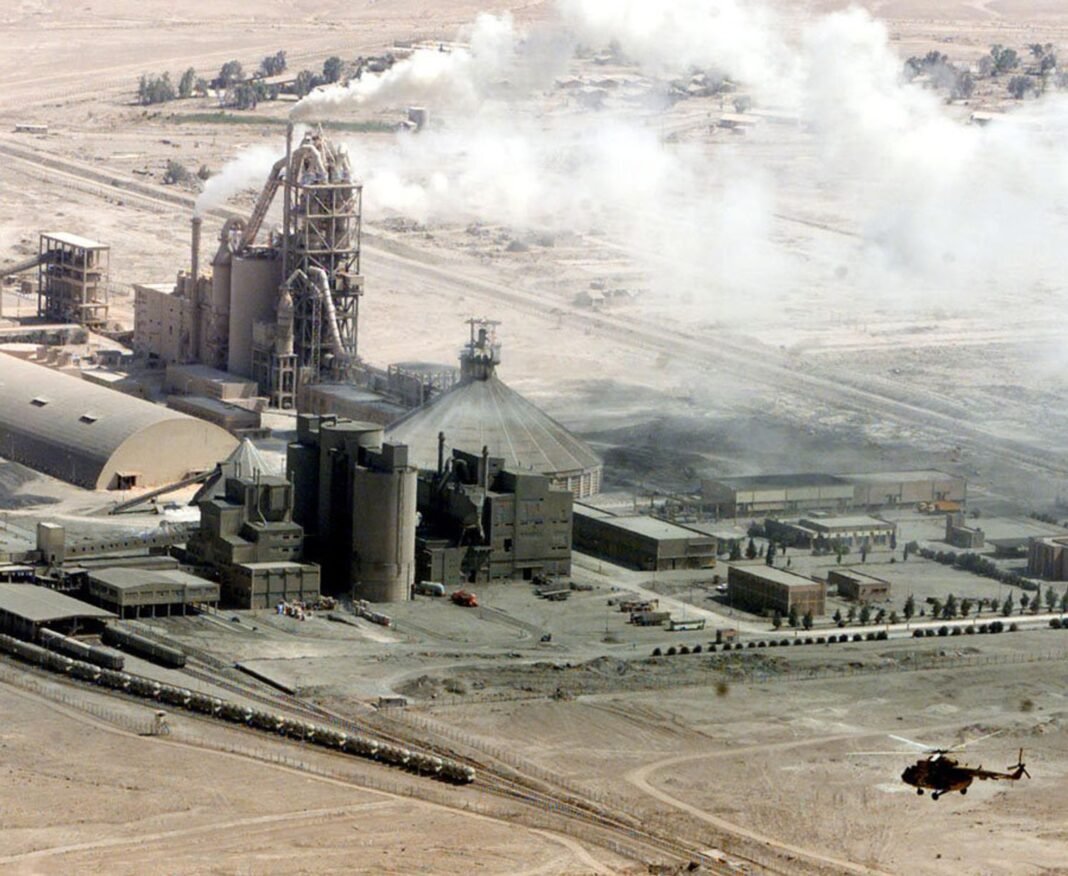
Al-Qaim Cement has reached its full production capacity in Anbar province as Iraq strengthens its cement industry. The plant now produces 840,000 tonnes of resistant cement annually.
The facility currently produces around 70,000 tonnes of cement every month. This output matches the plant’s planned annual production capacity.
Meanwhile, the plant has expanded its role in regional trade. Iraq now exports around 7,500 tonnes of cement from the facility each month.
Syria represents the current export destination for these shipments. The exports provide an additional market for Iraq’s growing cement production.
The development also supports Iraq’s efforts to strengthen domestic industrial production. Higher output can help reduce reliance on imported construction materials.
The plant operates in partnership with Al-Maysara Cement Company. The partnership supports production and commercial operations at the Al-Qaim facility.
The plant also features a significantly upgraded production line. Modern machinery supports the facility’s current manufacturing operations.
International equipment suppliers provided much of the plant’s advanced machinery. The upgrades have helped improve production efficiency and operational capabilities.
In addition, the facility operates a centralized control system. The system allows teams to monitor and manage production processes more efficiently.
The plant also includes specialist laboratories for product testing. These facilities help teams assess cement quality throughout the manufacturing process.
Furthermore, the facility operates its own dedicated power station. The station provides 30 megawatts of electricity for plant operations.
This independent power capacity supports continuous production throughout the day. The plant operates around the clock to maintain its output.
Continuous operations allow the facility to meet domestic demand while supporting export activity. They also help maximize the use of its upgraded production infrastructure.
The plant’s current performance marks an important development for Iraq’s construction materials sector. Cement remains essential for housing, infrastructure, commercial projects, and industrial development.
Strong local production can therefore support construction activity across the country. It can also help stabilize supplies as demand increases.
The facility’s location in Anbar provides potential advantages for regional trade. Its proximity to western Iraq can support commercial connections with neighboring markets.
The growing exports to Syria also highlight the potential for cross-border trade. Regional demand could create additional opportunities for Iraqi cement producers.
Al-Qaim Cement now plays an important role in this expanding trade activity. Its production levels provide a significant source of cement for domestic and regional markets.
The plant’s annual capacity represents a substantial contribution to Iraq’s industrial output. Monthly production of 70,000 tonnes demonstrates the scale of its operations.
At the same time, the export program remains smaller than total production. Around 7,500 tonnes leave the plant for Syria each month.
This leaves most of the facility’s output available for the Iraqi market. Domestic supply remains a major priority for the plant’s management.
The facility aims to strengthen Iraq’s self-sufficiency in cement production. Increasing domestic manufacturing can reduce pressure on imports.
It can also support local industrial employment and related supply chains. Higher production may benefit transportation, logistics, and construction companies.
Moreover, expanding exports can generate additional commercial opportunities for Iraqi industry. Regional sales can also strengthen connections with neighboring markets.
The plant’s modern equipment supports these objectives. Improved technology can help maintain consistent production while meeting quality requirements.
The centralized control system also contributes to efficient plant management. Meanwhile, specialist laboratories support quality monitoring throughout the manufacturing process.
The dedicated power station provides another operational advantage. Reliable electricity remains essential for maintaining continuous cement production.
As a result, the facility can operate throughout the year. This approach helps maintain steady supplies for customers and construction projects.
The plant’s management also plans to continue supporting domestic demand. At the same time, it aims to develop additional export opportunities.
The current shipments to Syria provide an early example of this strategy. Further regional demand could create opportunities for additional sales.
Overall, Al-Qaim Cement has reached an important milestone for Iraq’s industrial sector. The facility now operates at its full designed capacity.
Its production supports domestic construction while also supplying international markets. The plant therefore contributes to both industrial development and regional trade.
With annual output reaching 840,000 tonnes, the facility has become a major cement producer. Its operations could support Iraq’s broader efforts to expand local manufacturing.
Continued investment in modern equipment should help maintain production efficiency. Meanwhile, stronger export activity could provide further growth opportunities.
For Anbar province, the plant also represents an important industrial asset. Its continued operations can support economic activity and regional commercial connections.
The combination of domestic supply and exports gives the facility a broader economic role. It can support construction demand while expanding Iraq’s presence in regional markets.
Al-Qaim Cement is therefore positioned to remain an important part of Iraq’s cement industry. Its full-capacity operations mark a significant step forward for local production.