



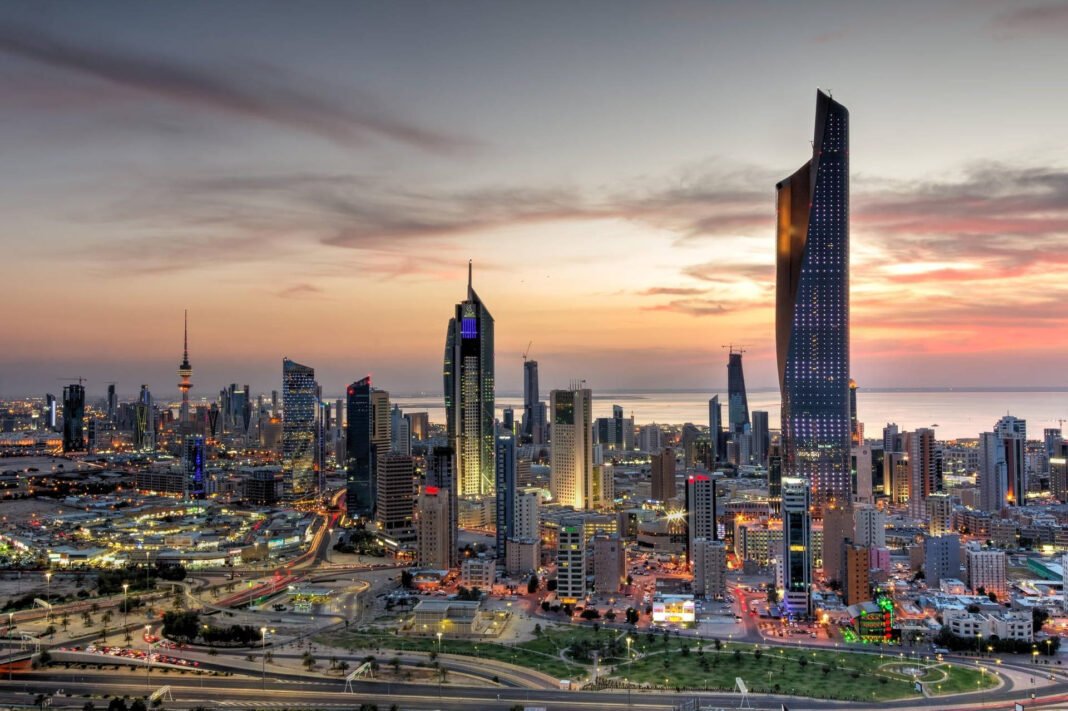
Kuwait contracts reached $250 million in July as project activity slowed across the Gulf. Kuwait ranked third among Gulf countries by contract value during the month. Meanwhile, total contract awards across the Middle East and North Africa fell to $20.4 billion. The regional figure declined from $26.2 billion in June, highlighting weaker construction and infrastructure activity.
Regional contract awards experienced significant changes throughout 2026. Activity reached nearly $40 billion during January and February. However, awards declined to around $26 billion in March. The market weakened further during April and May, when monthly awards reached approximately $18 billion. Activity recovered to $26.2 billion in June before falling again in July.
Despite the broader slowdown, transportation and gas projects continued attracting major investment. Transportation contracts reached approximately $6.7 billion during July. Meanwhile, gas projects generated around $6.5 billion in awards. Together, the sectors represented a substantial share of total regional contracting activity. Energy and infrastructure therefore remained important investment drivers despite weaker overall figures.
Kuwait recorded two contracts during July, with the largest project valued at approximately $232 million. China State Construction Engineering Corporation secured the contract for a permanent headquarters for the Kuwait Direct Investment Promotion Authority. The project will rise in Sharq, Kuwait City, and feature a 275-metre-high tower. The building will contain 55 floors and should reach completion by 2028.
The headquarters project represents an important addition to Kuwait City’s commercial infrastructure. Furthermore, the development could strengthen the investment environment and provide modern facilities for Kuwait’s investment authority. Kuwait continues pursuing projects that can support economic development and attract international businesses. However, the July figures show that new contract awards remain below earlier levels.
The UAE led the region with approximately $10.9 billion in contracts during July. A major energy project accounted for much of the country’s total. The largest award involved gas capacity and surface pressure enhancement at Abu Dhabi’s Umm Shaif field. The project carries an estimated value of $6.2 billion, giving the UAE a substantial lead over other regional markets.
Egypt ranked second across the broader Middle East and North Africa region. The country recorded approximately $6.6 billion in contract awards during July. A major portion came from the second phase of the fourth line of the Greater Cairo Metro. The project highlights Egypt’s continued focus on transportation infrastructure and large-scale urban development.
Saudi Arabia recorded approximately $1.9 billion in July awards. The figure represented a sharp decline from the $9.9 billion recorded in June. Nevertheless, the Kingdom continued securing major development contracts across several sectors. One significant award involved a $261 million building designed to accommodate workers in the hospitality sector. The development forms part of the wider Qiddiya project.
Iraq also recorded notable contract activity during July. The country secured two oil and gas projects worth a combined $500 million. One major development involves investment in low-pressure gas infrastructure at the sixth gas compression station. The facility sits within the West Qurna-1 oil field. The project supports Iraq’s broader efforts to improve gas production and reduce the loss of valuable resources.
Elsewhere, Morocco continued expanding its renewable energy infrastructure. The Moroccan Agency for Sustainable Energy awarded Saudi Arabia’s ACWA Power a project to expand the Khalladi wind farm. The expansion will add approximately 40 megawatts of capacity. Investment will reach around 550 million Moroccan dirhams, equivalent to approximately $60 million.
Tunisia also secured an important electricity infrastructure contract. An Indian company won a project worth approximately $36 million for high-voltage transmission lines. The development includes 400-kilovolt double-circuit overhead lines. It will support the Tunisia-Italy ELMED electricity interconnection project and strengthen regional electricity connectivity.
Bahrain advanced its electricity infrastructure plans during the month as well. The Electricity and Water Authority awarded a contract to construct nine 66-kilovolt substations. The new facilities will support the country’s electricity network and future demand. Meanwhile, Syria recorded a major commercial development through its planned Damascus Financial Center.
Syrian Holding Company selected Consolidated Contractors Company to design and implement the Damascus Financial Center. The project carries an estimated value of approximately $600 million. It represents one of the larger non-energy contracts recorded across the region during July. The development could also support future commercial activity in Damascus.
Oman recorded a smaller infrastructure award during July. Dhofar Municipality awarded a $23 million contract for a dual-carriageway project in Salalah. The road development will improve transportation connections within the southern Omani city. It also forms part of wider infrastructure improvements planned for the Dhofar region.
Overall, July showed a clear slowdown in regional contract awards compared with earlier months. However, major energy, transportation, and infrastructure projects continued attracting significant investment. Kuwait contracts remained focused on strategic infrastructure, with the investment authority headquarters representing the country’s largest July award.
Kuwait contracts could increase if additional government projects reach the awarding stage later this year. Future activity will likely depend on public spending, infrastructure priorities, and major economic development programmes. For now, July figures suggest a more selective regional contracting environment. Nevertheless, energy and transportation projects continue providing important opportunities for construction companies and investors.

