



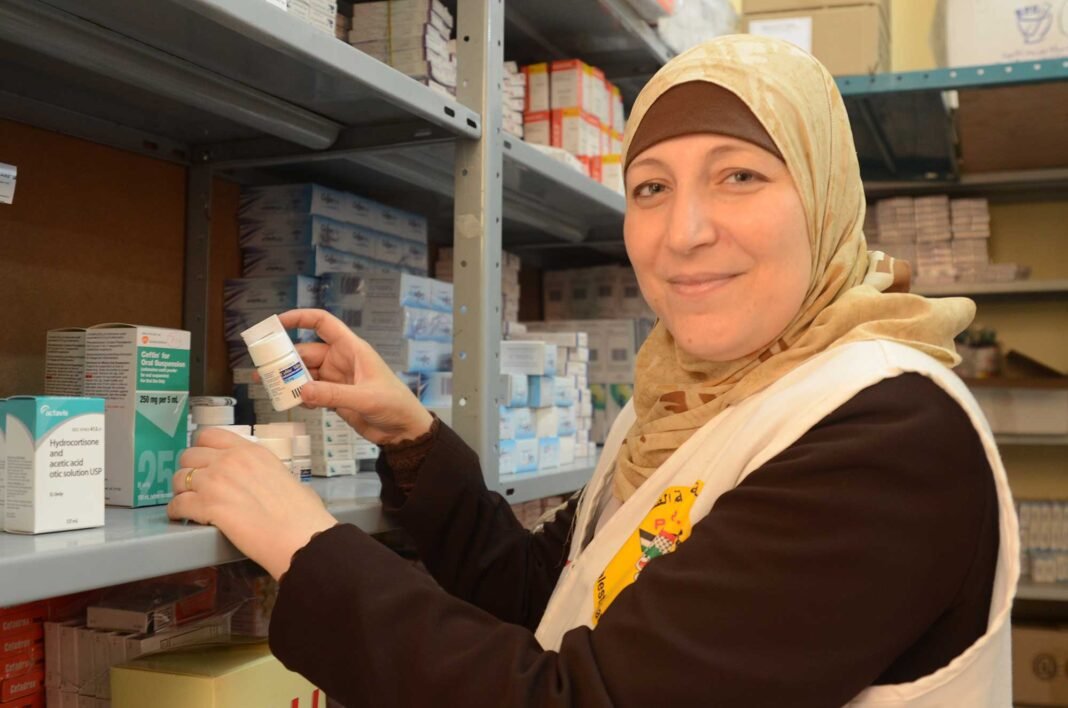
Iraq and Palestine are strengthening cooperation in the pharmaceutical sector through new discussions on market access. The Pharmaceutical Market talks focused on procedures for registering Palestinian medicines in Iraq. Both sides discussed ways to make the registration process more efficient. They also explored how better coordination could support pharmaceutical trade between the two countries. The discussions reflect efforts to improve economic cooperation while supporting access to regulated medical products.
Furthermore, officials highlighted the importance of following existing Iraqi regulatory requirements. They also stressed the need for closer coordination between relevant government bodies. These steps could help Palestinian pharmaceutical companies understand market requirements more clearly.
The discussions took place alongside a major meeting of Arab economic officials. During the meeting, Iraq’s Trade Minister Mustafa Nizar Jumaa met Palestinian National Economy Minister Mohammed Al-Amour. Their talks covered cooperation in pharmaceuticals and procedures for entering the Iraqi market. Both ministers emphasized the value of continued coordination between their institutions. They also discussed the need to streamline administrative procedures where possible.
However, officials stressed that any changes must remain within established regulatory frameworks. This approach could help create a clearer path for pharmaceutical companies seeking approval. It could also support stronger commercial ties between Iraqi and Palestinian businesses.
The Pharmaceutical Market discussions come as both countries seek wider economic cooperation. Pharmaceutical trade can play an important role in strengthening commercial relations. Moreover, easier registration procedures could help approved Palestinian products reach Iraqi consumers. Such products would still need to meet Iraq’s existing health and safety requirements.
Therefore, regulatory coordination remains a central part of the discussions. Authorities must balance faster procedures with strong oversight of pharmaceutical products. This balance can protect consumers while supporting legitimate trade. At the same time, better communication between government agencies could reduce unnecessary administrative delays. As a result, companies may gain greater clarity when preparing applications for market entry.
Going forward, both sides are expected to continue coordination on pharmaceutical registration matters. Officials can use future discussions to identify practical ways to improve administrative procedures. They can also examine areas where information sharing could become more efficient. In addition, closer institutional cooperation could help resolve registration questions more quickly. This could benefit pharmaceutical companies while maintaining regulatory standards.
Furthermore, stronger trade links could contribute to broader economic relations between Iraq and Palestine. The latest talks provide a foundation for continued cooperation in the healthcare and commercial sectors. Ultimately, improved coordination could create a more accessible Pharmaceutical Market for approved Palestinian products in Iraq.

