



Oil Prices: Brent crude climbed to $102.28 per barrel on Thursday morning. West Texas Intermediate also advanced to $89.94 per barrel. Meanwhile, traders continued watching supply risks across the Middle East. Shipping attacks around the Gulf and Strait of Hormuz increased market concerns.
Brent crude gained $2.28, or 2.28 percent, by 7:27 a.m. Saudi time. WTI crude rose $1.66, or 1.88 percent, during the same period. However, both benchmarks had ended lower during the previous session. Traders remained cautious despite efforts to increase available fuel supplies.
The International Energy Agency agreed to accelerate strategic oil stock releases. The plan also gives greater priority to diesel supplies. Governments launched the measures as fuel prices reached elevated levels. However, stock releases can only provide temporary support for global supply.
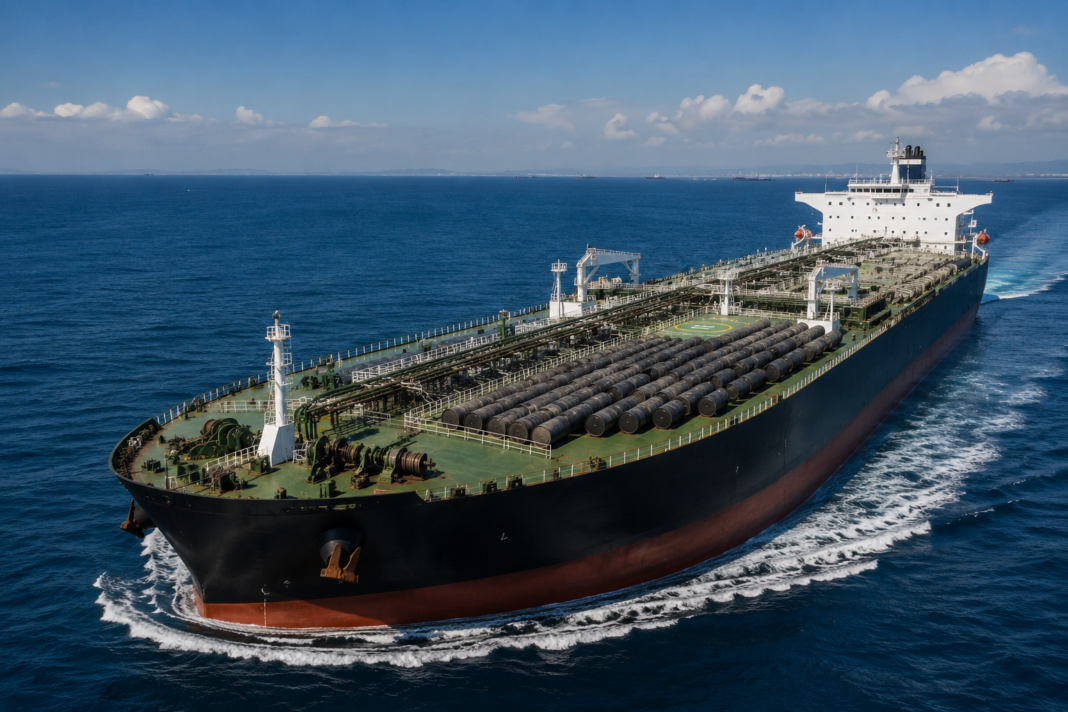
Shipping risks have also increased across the Gulf and Strait of Hormuz. The waterway previously handled around one-fifth of global oil and fuel shipments. Therefore, disruptions could create additional pressure across international energy markets. Gulf producers have continued moving crude despite higher costs and greater risks.
Shipping attacks reached their highest weekly level since the conflict began. The increase came as Gulf producers expanded exports through the region. Consequently, cargo owners now face greater risks during maritime journeys. Higher insurance, transport, and security costs also add pressure to exporters.
A tanker north of Qatar recently came under attack from several projectiles. The incident caused casualties, according to British maritime authorities. Meanwhile, energy analysts expect shipping risks to remain a major market concern. Further disruptions could keep crude prices elevated in the near term.
Strategic stock releases could help maintain supply flows temporarily. However, they cannot create additional production capacity. Therefore, sustained market relief will depend on actual crude production and transportation. The reopening of safer shipping routes could also reduce pressure on prices.
Meanwhile, weather risks are affecting American oil production. Hurricane Isaias moved toward offshore production areas in the Gulf of Mexico. As a result, several energy companies reduced offshore operations. The disruptions added another supply concern for traders.
Shell and Chevron reported cuts to offshore production because of the storm. US Gulf producers had also shut part of their oil output. Around 25 percent of current regional oil production faced temporary closures. Natural gas operations also experienced significant reductions during the weather disruption.
US inventory figures provided another source of support for crude prices. Commercial crude stocks fell by 3.2 million barrels during the week. Inventories reached 424.1 million barrels by October 2. Analysts had expected a smaller decline of around 1.7 million barrels.
Diesel and jet fuel inventories also moved lower during the reporting period. Distillate stocks fell by 42,000 barrels to 105.14 million barrels. Levels remained well below seasonal averages from recent years. Consequently, tighter fuel inventories could continue supporting energy prices.
Overall, Oil Prices remain sensitive to supply disruptions across several major producing regions. Middle East shipping risks continue to create uncertainty for exporters and buyers. At the same time, weather disruptions are limiting some US production. Therefore, traders may continue watching supply routes, inventories, and regional developments closely.

