



Abu Dhabi Energy infrastructure will receive Dh250 billion in investment between 2025 and 2035. The ambitious programme aims to support rising electricity demand from artificial intelligence and industrial expansion. Meanwhile, the emirate plans to generate 60 percent of its electricity from clean energy sources. The investment also strengthens Abu Dhabi’s long-term economic development and sustainability objectives.
Ahmed Al Rumaithi, Undersecretary of the Abu Dhabi Department of Energy, outlined the investment plans during KEZAD Connect 2026. He explained that expanding technological industries will require significant improvements in electricity and water infrastructure. Furthermore, artificial intelligence facilities and advanced manufacturing operations will increase energy consumption across the emirate. Therefore, authorities are preparing infrastructure to support future economic activity.
Artificial intelligence infrastructure could require approximately two gigawatts of electricity during its initial development phase. However, the second phase could increase demand to five gigawatts as facilities expand. Additionally, growing data center operations are creating new challenges for electricity networks worldwide. Consequently, energy planning has become increasingly important for governments supporting technological development.
Global electricity consumption from data centers increased by 17 percent during 2025. Meanwhile, electricity demand linked specifically to artificial intelligence applications grew by 50 percent. These figures highlight the growing relationship between digital innovation and physical energy infrastructure. As a result, Abu Dhabi is prioritizing reliable electricity supplies to support its technological ambitions.
The Dh250 billion programme will also accelerate Abu Dhabi Energy development through investments in sustainable infrastructure. Authorities aim to increase clean electricity generation while maintaining dependable supplies for businesses and residents. Furthermore, officials indicated that the emirate is progressing faster than expected toward its clean energy objectives. These developments could strengthen environmental performance while supporting continued economic growth.
Abu Dhabi is also encouraging businesses to participate in its Clean Energy Certificates programme. The initiative helps companies document electricity consumption that clean energy generation supports. Additionally, participating businesses can demonstrate their environmental commitments to international customers and investors. Consequently, the programme could improve industrial competitiveness across global markets.
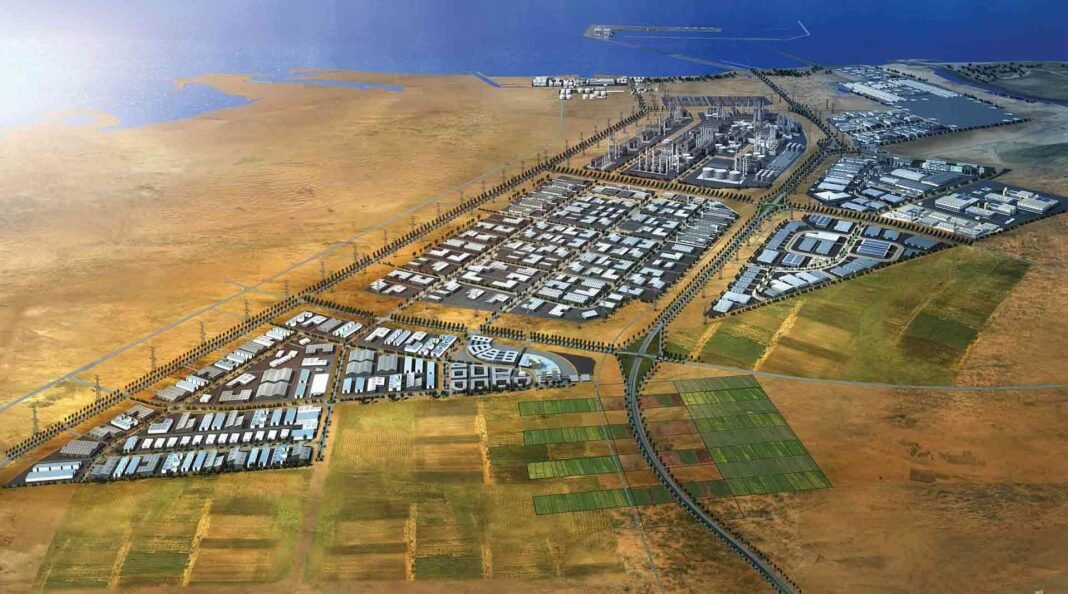
Meanwhile, AD Ports Group highlighted the economic contribution of its industrial cities and free zones. Abdullah Al Hameli, CEO of Economic Cities and Free Zones, outlined their growing importance during the event. He said the cluster contributes more than Dh158 billion to Abu Dhabi’s economy. Furthermore, its activities represent almost one-quarter of the emirate’s non-oil gross domestic product.
The industrial and free zones cluster also supports more than 372,000 jobs across different economic sectors. Additionally, KEZAD currently accommodates over 2,300 investors from various international markets. These businesses contribute to manufacturing, logistics, trade, and other industrial activities throughout Abu Dhabi. Therefore, continued infrastructure investment remains essential for maintaining industrial growth and attracting new companies.
KEZAD Connect 2026 also brought together government representatives, investors, and international business leaders. The two-day event featured more than 80 speakers across over 15 discussions and specialized sessions. Under the theme “Building the Future of Industry,” participants explored manufacturing innovation and technological development. Moreover, discussions focused on strengthening partnerships and identifying opportunities for future industrial investment.
Officials emphasized that dependable electricity and water services play an important role in attracting international investors. Reliable infrastructure helps businesses maintain operations while improving productivity and controlling operating expenses. Furthermore, efficient energy systems allow industrial companies to compete more effectively in international markets. Consequently, infrastructure development remains a central part of Abu Dhabi’s broader economic strategy.
The Department of Energy aims to ensure infrastructure expansion keeps pace with industrial and technological demand. Meanwhile, authorities continue balancing clean energy targets with the growing electricity requirements of artificial intelligence facilities. Abu Dhabi Energy investment will therefore support both environmental goals and long-term industrial competitiveness. Ultimately, the Dh250 billion programme could strengthen Abu Dhabi’s position as a regional center for advanced industries.

