



Iraq Electricity development remains a priority as the World Bank explores deeper cooperation with the Ministry of Electricity. Both sides discussed infrastructure projects, system efficiency and potential improvements to the country’s power supply. The talks also highlighted solar energy as an important part of Iraq’s future energy mix. Consequently, the discussions could help shape future investment and technical support for the sector.
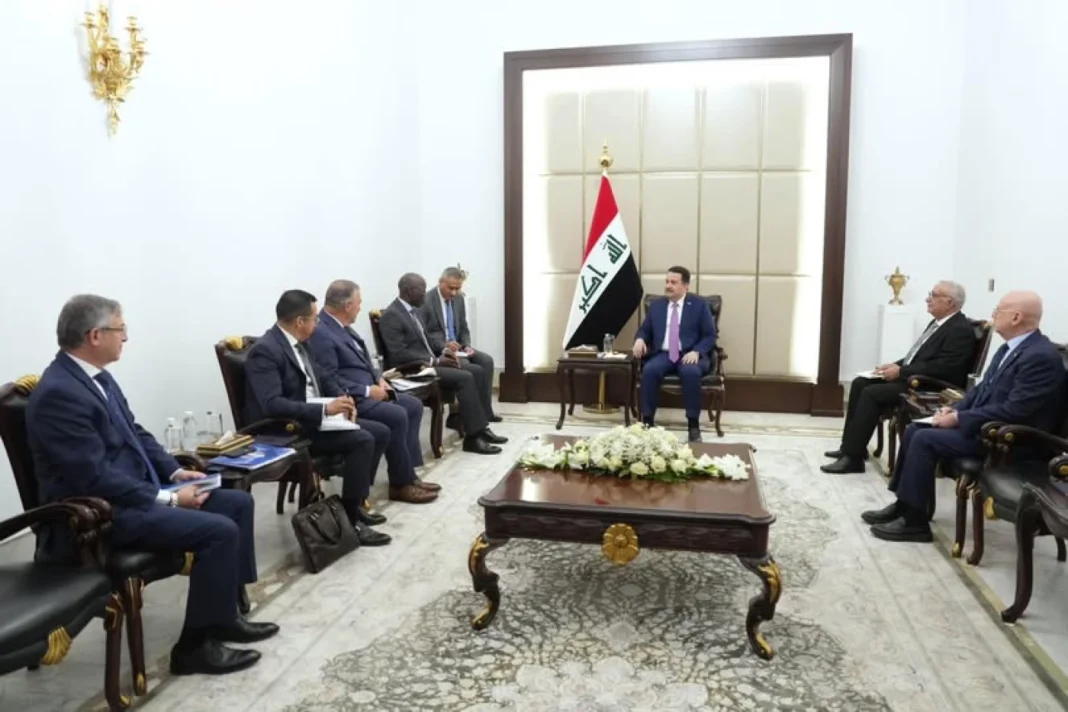
Osman Dione, the World Bank’s Vice President for the Middle East and North Africa, met Electricity Minister Ali Saad Wahib. The meeting took place at the ministry’s headquarters on Wednesday. During the discussions, officials reviewed ongoing projects supported by the World Bank. They also considered key priorities for the next phase of cooperation.
Moreover, both sides examined obstacles affecting electricity infrastructure and service delivery. These challenges can limit the reliability and efficiency of power generation and distribution. Therefore, addressing bottlenecks could help improve the performance of existing facilities. Better infrastructure could also support more consistent electricity services for households and businesses.
The discussions placed particular emphasis on strategic projects that could strengthen Iraq’s electricity system. In addition, the World Bank delegation expressed support for initiatives that could improve the sector’s long-term performance. Such cooperation may help officials identify investment needs and determine which projects require attention first. However, the meeting announcement did not specify new funding commitments or a detailed implementation schedule.
Solar energy also featured prominently during the meeting. Iraq has opportunities to diversify its electricity sources and reduce its dependence on conventional generation. Developing solar projects could help the country use its abundant sunlight to produce additional power. Furthermore, renewable energy could support efforts to improve grid stability and meet growing electricity demand.
Nevertheless, solar projects require suitable infrastructure, effective planning and reliable connections to the national grid. Authorities must also consider maintenance, financing and the integration of renewable power into existing networks. As a result, cooperation with international development institutions could help address technical and planning challenges. These efforts may also support a more diversified electricity system over time.
Iraq Electricity improvements could deliver wider benefits across the national economy. Reliable power supports industrial production, commercial activity and essential public services. In contrast, supply interruptions can increase operating costs and create difficulties for businesses. Therefore, improving infrastructure and efficiency remains important for economic development.
The World Bank’s discussions with the ministry reflect continued engagement over Iraq’s electricity priorities. Still, the practical impact will depend on project selection, financing arrangements and progress on implementation. Officials will need to translate the discussions into clear plans and measurable outcomes. Future developments may indicate how both sides intend to advance their cooperation.
Overall, the meeting highlighted infrastructure development, operational efficiency and solar energy as important areas for collaboration. Iraq Electricity projects could benefit from targeted investment and stronger technical coordination. Meanwhile, continued cooperation may help Iraq address long-standing power challenges and prepare for future demand.

