



Bahrain’s economy contracted during the first quarter of 2026 after regional conflict disrupted its oil sector. Official figures showed a sharp decline in overall economic output during the period, creating fresh concerns about the country’s financial outlook.
Real gross domestic product fell 3.8 percent year on year. The decline covered the period from January through March, reflecting growing economic pressures across several key sectors.
The contraction marked a major change from the previous year. Bahrain recorded 2.7 percent economic growth during the first quarter of 2025, showing the sharp reversal in economic performance.
The economy also expanded 4.6 percent during the final quarter of 2025. However, conditions changed sharply during March as regional conflict affected key industries and business activity across Bahrain.
Economic activity remained strong during January and February. However, disruptions intensified during March after attacks affected Bahrain and increased pressure on several critical sectors and economic operations.
The kingdom faced missile and drone attacks after the regional conflict began on February 28. Bahrain also hosts the headquarters of the US Fifth Fleet, increasing its strategic importance in the region.
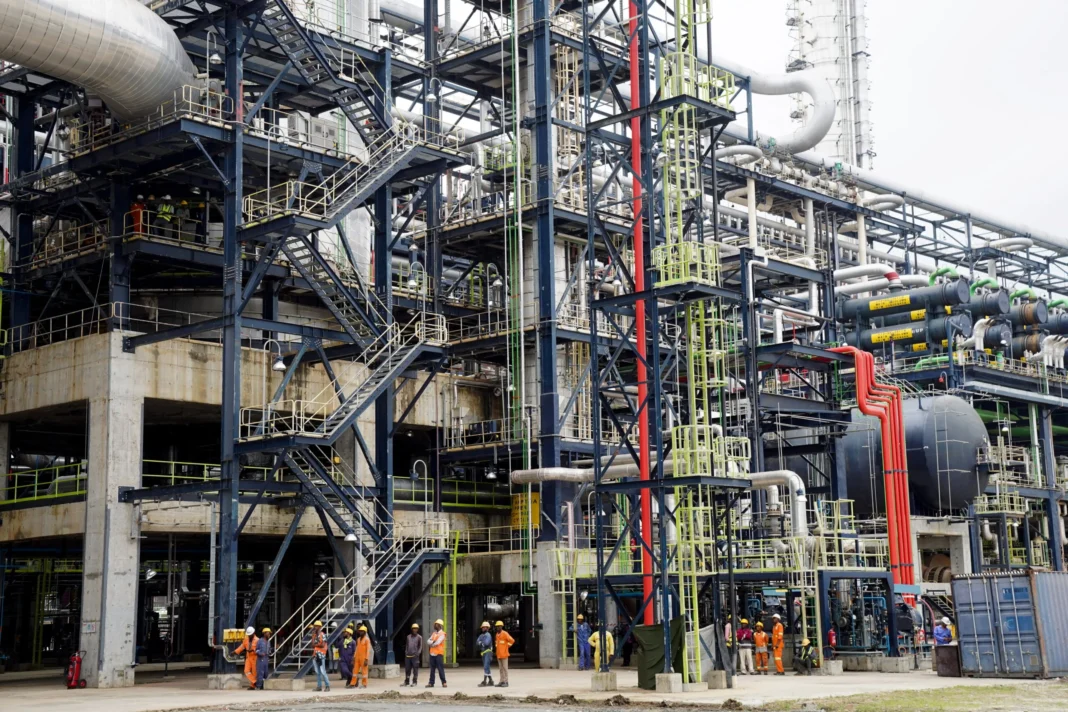
The attacks created additional pressure on the country’s energy infrastructure. In March, a drone strike caused a fire at the Bapco refinery complex, disrupting operations and raising additional concerns.
The refinery operates on Sitra Island and serves as Bahrain’s main refining centre. The facility also plays an important role in government finances and national energy security.
Oil-related activities fell by more than 37 percent during the first quarter. Restrictions on maritime traffic through the Strait of Hormuz reduced export capacity and disrupted regional energy flows.
The country also carried out planned maintenance at several oil facilities. However, authorities did not provide further details about the maintenance schedule or its overall impact.
The disruption created a significant drag on overall economic performance. Oil remains an important part of Bahrain’s economy and public finances, making the sector particularly important.
Nevertheless, the non-oil economy continued to show resilience. Non-oil activities grew 2.2 percent compared with the same period last year, supporting broader economic activity.
Nine of the country’s 13 non-oil economic activities recorded growth. Therefore, several sectors helped offset part of the decline in oil activity during the quarter.
Financial and insurance services remained the largest contributor to economic output. The sector recorded annual growth of 9 percent during the quarter, maintaining strong momentum.
Other non-oil industries also helped support economic activity. Their continued expansion demonstrated resilience despite wider regional uncertainty and weaker conditions in the energy sector.
Meanwhile, Bahrain continued attracting foreign investment during the period. Inward foreign direct investment increased by almost 3 percent year on year, despite ongoing regional challenges.
Total foreign investment stock reached approximately BHD18 billion. That figure equals around $48 billion based on the reported conversion, highlighting Bahrain’s continued investment appeal.
The increase highlights continued international interest in Bahrain despite challenging economic conditions. Investment flows can also provide important support for non-oil growth and economic diversification.
However, the conflict created additional risks for businesses and financial institutions. Disrupted shipping routes can affect trade, supply chains, energy exports, and operating costs.
The Strait of Hormuz remains especially important for regional energy and maritime activity. Any restrictions can therefore create wider economic consequences for Gulf economies and businesses.
Bahrain’s government and financial authorities responded with measures to support economic stability. The central bank introduced additional assistance during April to reduce financial pressure.
The measures included loan deferrals for affected borrowers. Authorities also provided liquidity support to strengthen the financial sector and maintain lending activity.
These measures aimed to reduce pressure on businesses and households. Furthermore, they sought to maintain stability across the banking system during difficult economic conditions.
The response could help limit the longer-term effects of the economic shock. However, the pace of recovery will depend partly on regional security conditions and market confidence.
Oil production and exports will remain important factors for Bahrain’s economic outlook. A sustained improvement in maritime activity could support the energy sector and government revenues.
At the same time, stronger non-oil activity could provide another source of economic momentum. Financial services, investment, and other industries remain important growth drivers for Bahrain.
The latest figures highlight Bahrain’s exposure to regional disruptions. They also show the importance of developing stronger non-oil economic activity and reducing dependence on energy revenues.
Despite the contraction, several sectors continued expanding during the quarter. This performance provides some support for Bahrain’s broader recovery outlook and economic diversification plans.
However, the Bahrain economy faces continued uncertainty as regional tensions remain elevated. Future growth will depend on energy activity, investment flows, and business confidence.
Government support measures could also help companies manage short-term financial pressures. Meanwhile, continued foreign investment could strengthen economic diversification and support future private-sector growth.
Overall, Bahrain’s first-quarter contraction reflects the severe impact of disruptions on oil activity. Yet, the non-oil sector provided an important source of resilience during the period.
The Bahrain economy could recover if regional conditions improve and energy exports return to normal. For now, businesses remain focused on navigating the effects of the conflict and protecting growth.

