



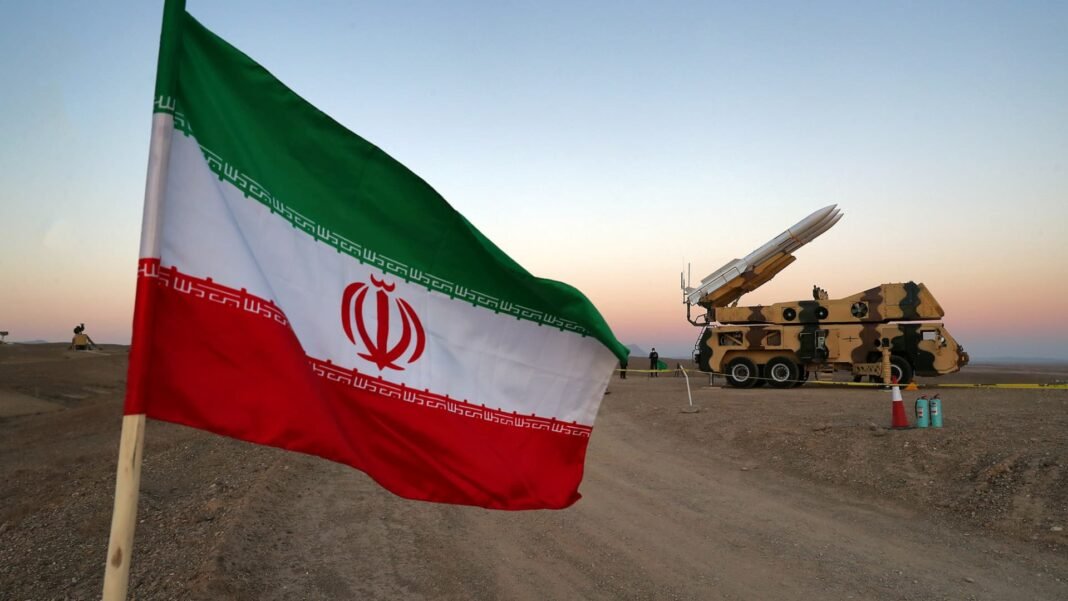
The Gulf economy has undergone major changes since the Iran conflict began six months ago. Energy, shipping, aviation, property, and tourism have all faced disruption. However, several Gulf markets have demonstrated resilience despite the prolonged crisis. Businesses and governments have also started adapting to changing regional economic conditions.
Shipping routes have changed significantly as companies seek alternatives to the Strait of Hormuz. Cargo operators increasingly use ports along the Arabian Sea and Red Sea. Fujairah has gained importance as a regional shipping hub, while Oman benefits through Sohar, Duqm, and Salalah. However, alternative routes often carry higher costs.
The conflict has also affected regional energy markets. Traffic through the Strait of Hormuz has fallen sharply, encouraging energy companies and governments to explore alternative transportation networks. Saudi Arabia’s East-West pipeline has gained importance, while trucking provides another option. However, these alternatives generally cost more than traditional maritime routes.
Oil prices have experienced significant movements as geopolitical tensions changed. Prices increased during periods of heightened conflict and eased when tensions declined. However, crude oil has not reached the extreme levels previously feared. China’s use of domestic reserves has helped limit pressure, while refined products such as diesel have become considerably more expensive.
The Gulf property market has also experienced a slowdown. Developers reduced new project launches after the conflict began, although construction continued because companies already had significant project pipelines. Dubai recorded around 27,000 residential handovers during the second quarter, its highest quarterly total in five years. Residential sales, however, declined.
Dubai recorded approximately 86,000 residential sales between January and June. The figure represented a year-on-year decline of nearly 13 percent. The slowdown reflects changing market conditions and increased uncertainty following the conflict. Nevertheless, continued construction activity shows that developers remain committed to projects already underway across Dubai’s residential and commercial property sectors.
Aviation suffered another setback after airlines reduced capacity following the start of the conflict. Gulf carrier capacity fell by more than one-third year on year during April. However, the sector gradually recovered during subsequent months. Airlines restored several international routes as conditions improved, with services to Singapore, Sydney, and New York recovering strongly.
European aviation routes recovered more gradually as airlines continued adjusting schedules. The uneven recovery reflects continued uncertainty across regional airspace and international travel markets. Nevertheless, the improvement from April levels indicates stronger operating conditions. Airlines are expected to continue monitoring security developments while balancing passenger demand, operating costs, and available aircraft capacity.
Tourism has faced some of the most serious economic consequences. The sector remains important to the UAE economy and supports hundreds of thousands of jobs. Regional visitor spending dropped sharply during the conflict, while hotel occupancy and revenue also declined across Middle Eastern markets. Tourism companies consequently faced weaker demand during a critical period.
Hotels and restaurants have also experienced rising operating pressures. Some major hotels used the slowdown to accelerate renovation projects, while restaurants faced weaker customer traffic and higher costs. Shipping disruptions increased expenses for businesses relying on imported products. Therefore, tourism companies faced pressure from both weaker demand and rising operating expenses.
Despite these challenges, Gulf stock markets have shown considerable resilience. Dubai and Qatar recorded some of the sharpest regional declines. Dubai’s market had reached a long-term high before the conflict, leading some analysts to view the decline partly as a market correction. Qatar faced additional economic challenges, while Saudi Arabia performed relatively better.
Saudi Arabia has benefited from its relatively diversified non-oil economy. Higher crude prices have also supported government revenues and investor sentiment. Furthermore, the kingdom can move some oil through Red Sea routes, reducing its reliance on the Strait of Hormuz. This advantage has helped Saudi Arabia maintain stronger market performance during regional uncertainty.
Overall, the Iran conflict has reshaped important parts of the Gulf economy. Shipping companies have changed routes, energy firms are exploring alternative infrastructure, and airlines have adjusted schedules. Property developers have slowed new launches, while tourism businesses face weaker demand and higher costs. Meanwhile, regional stock markets show different levels of resilience.
The crisis has accelerated changes that could continue even after the conflict ends. Gulf economies are paying greater attention to alternative trade routes, energy infrastructure, and travel networks. Businesses are also reassessing regional risks and operating costs. The long-term economic impact will depend heavily on how quickly regional stability returns.