

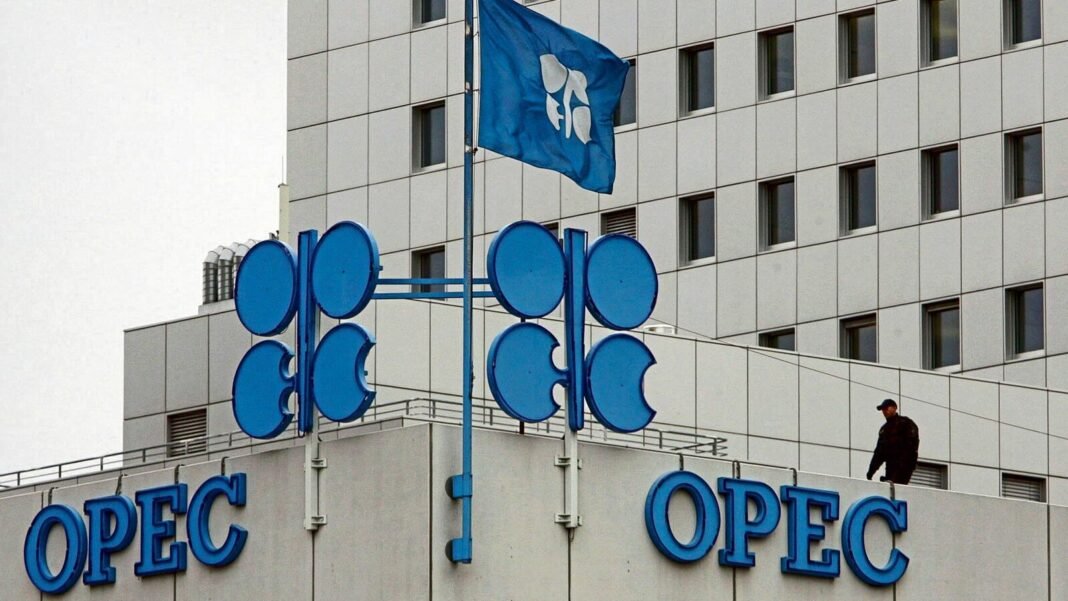
Iraq OPEC Talks continue as Baghdad works with the Organization of the Petroleum Exporting Countries to secure a higher oil production quota. Iraq OPEC Talks reflect the country’s efforts to increase export revenue while supporting reconstruction and economic growth. Officials believe higher production levels could strengthen public finances and attract additional investment.
Iraq’s oil minister confirmed that discussions with OPEC remain active. The government wants production limits that better reflect the country’s economic priorities. Officials said additional oil exports would provide more funding for national development projects.
The government continues to emphasize the importance of oil revenue for rebuilding infrastructure. Energy exports remain the country’s largest source of income. Therefore, production quotas directly affect Iraq’s economic recovery plans.
Earlier this year, the Oil Ministry rejected reports suggesting Iraq planned to leave OPEC. Instead, officials reaffirmed their commitment to working within the organization. They also called for a review of production quotas based on each member country’s circumstances.
Officials explained that OPEC and its partners continue evaluating sustainable production capacity across member states. Independent technical studies support this ongoing assessment. The process helps determine appropriate production levels for participating countries.
Iraqi officials argued that national security and economic conditions deserve greater consideration during quota discussions. They believe Iraq requires additional production flexibility to support future development. Increased output could also improve financial stability.
A government delegation is currently visiting Washington to promote investment opportunities in Iraq’s energy sector. Officials continue meeting international companies interested in expanding operations. They hope these discussions will encourage long-term partnerships.
Government representatives believe stronger foreign investment will accelerate energy sector growth. New projects could improve production capacity while expanding infrastructure. Officials also expect investment to create employment opportunities across several industries.
During the visit, US officials welcomed growing cooperation in the energy sector. They highlighted ongoing discussions involving major international companies. Future agreements could strengthen economic ties between both countries.
Earlier this month, OPEC+ agreed to increase oil production for the fifth consecutive month. The decision aims to maintain market stability while protecting global market share. Member countries also continue monitoring geopolitical developments affecting energy markets.
Iraq continues balancing its production goals with commitments made through OPEC+. Officials believe cooperation remains essential for maintaining stability in global oil markets. At the same time, they continue requesting fair production allocations.
The government has also advanced plans for a new oil export pipeline. The proposed project would connect Iraqi oil fields with Syria’s Mediterranean port of Baniyas. Officials expect the pipeline to strengthen export capacity.
Authorities recently approved preliminary agreements with an international consortium to develop the project. The consortium includes several international energy companies. Officials believe the pipeline will improve long-term export flexibility.
Currently, much of Iraq’s oil exports pass through the Strait of Hormuz. Regional instability has affected export routes and reduced production in recent months. Consequently, Iraq continues exploring alternative transportation options.
Government leaders believe stronger infrastructure will improve energy security while supporting export growth. Reliable transportation remains essential for maintaining oil revenues. Additional export routes could also reduce future supply risks.
Iraq OPEC Talks remain a key part of the country’s broader economic strategy. Officials continue seeking production levels that match national development needs while maintaining cooperation with international energy partners. Iraq OPEC Talks could play an important role in supporting reconstruction, attracting investment, and strengthening Iraq’s position in global energy markets.