



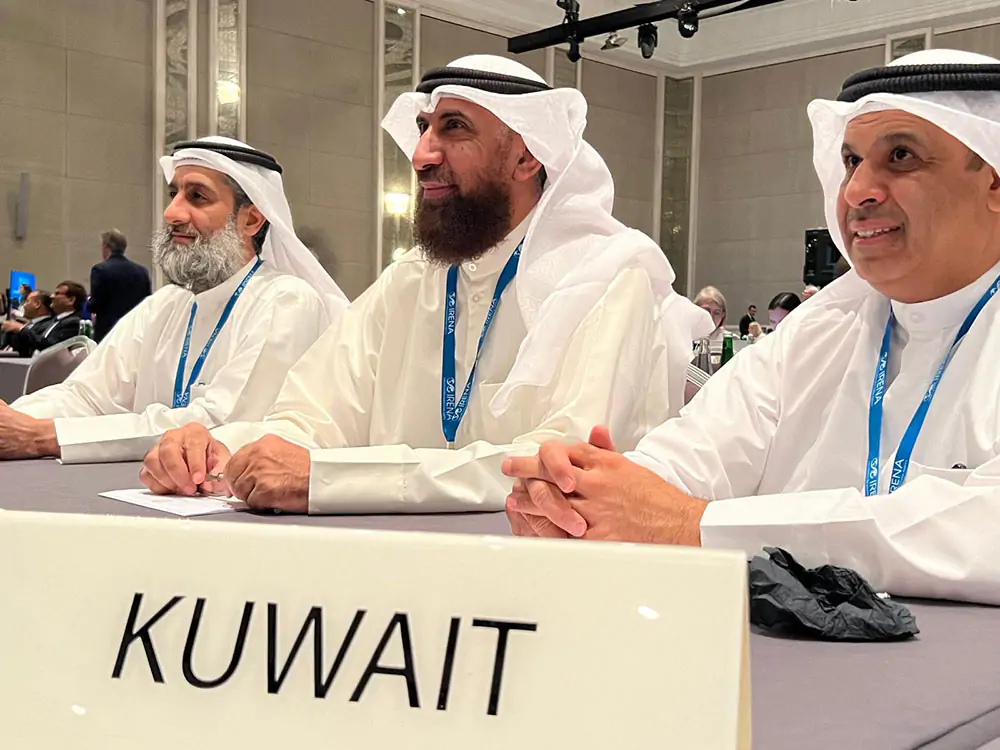
Kuwait Climate initiatives reached another important milestone as the country introduced its first specialized training program for national climate negotiators. Kuwait Climate efforts continue expanding through programs designed to strengthen national expertise and improve participation in international environmental discussions.
The Environment Public Authority launched the new training course in cooperation with the Saud Nasser Diplomatic Institute. The program focuses on preparing qualified Kuwaiti professionals for future negotiations under the United Nations Framework Convention on Climate Change.
Officials described the initiative as an important investment in developing national capabilities. Participants will receive practical knowledge and negotiation skills needed to represent Kuwait during international climate discussions.
The training program aims to strengthen the country’s presence during global climate conferences and regional environmental meetings. Officials believe experienced negotiators can better protect national interests while supporting international cooperation.
The course also helps participants understand the legal, diplomatic, and technical aspects of climate negotiations. These skills will allow future representatives to contribute more effectively to international policy discussions.
Environmental officials emphasized that developing national talent remains one of Kuwait’s strategic priorities. Building local expertise also supports long-term environmental planning and sustainable development goals.
Leaders explained that climate negotiations require careful preparation because discussions increasingly influence environmental, economic, and social policies worldwide. Therefore, countries continue investing in specialized training for future representatives.
Officials also highlighted Kuwait’s responsibility as an energy-producing nation. They stressed that balancing economic development with environmental commitments remains an important national objective.
The government continues supporting international cooperation while protecting national interests during global climate negotiations. This balanced approach allows Kuwait to contribute constructively while addressing domestic priorities.
The training initiative also reflects the country’s broader commitment to sustainable development. Environmental protection, economic growth, and social progress remain closely connected within national planning strategies.
The Saud Nasser Diplomatic Institute will host the specialized program throughout its scheduled training period. Participants will complete intensive sessions covering negotiation techniques, international agreements, and diplomatic procedures.
Experts leading the program will introduce participants to current developments within international climate discussions. They will also explain how global agreements influence national environmental policies.
The Ministry of Foreign Affairs continues playing an important role in the initiative. Officials confirmed the ministry remains actively involved in strengthening Kuwait’s participation within international organizations.
Representatives from several ministry departments joined the training course to support national coordination efforts. Legal specialists and international affairs experts will also contribute their professional experience throughout the program.
Officials explained that effective climate negotiations require cooperation across multiple government institutions. Close coordination helps strengthen national positions while improving decision-making during international meetings.
Participants will also develop legal and diplomatic skills needed for complex international negotiations. These capabilities remain essential as climate agreements continue evolving through multilateral discussions.
The initiative supports the work of Kuwait’s National Negotiating Committee by preparing qualified specialists for future international responsibilities. Strong technical knowledge and negotiation experience remain critical for successful participation.
Government officials expect the training program to improve Kuwait’s readiness for upcoming international climate events. Future conferences will require experienced delegates capable of representing national priorities effectively.
Preparation has already begun for the next Conference of the Parties, widely known as COP31. Officials believe the new program will strengthen Kuwait’s contribution during those important international discussions.
Environmental experts also emphasized the growing importance of climate diplomacy worldwide. Countries increasingly rely on skilled negotiators to address environmental challenges through international cooperation.
Furthermore, investment in professional training strengthens institutional knowledge across government agencies. Qualified specialists can continue supporting national environmental policies for many years.
Looking ahead, Kuwait Climate programs will continue supporting the development of skilled national professionals. Strong preparation, international cooperation, and experienced negotiators will help Kuwait contribute effectively to future global climate discussions while advancing sustainable development goals.
Overall, the Kuwait Climate initiative demonstrates the country’s commitment to strengthening national expertise in climate diplomacy and international environmental cooperation. By preparing skilled negotiators and enhancing institutional capabilities, Kuwait aims to play a more effective role in global climate discussions while supporting its long-term sustainable development objectives.

