



Iraq Gas infrastructure is set for another major expansion as plans move forward for a floating gas terminal at Khor al-Zubair. Iraq Gas development remains a priority as the country works to strengthen energy security and improve fuel supplies for electricity generation.
The project advanced following discussions between Iraqi Prime Minister Ali Al-Zaidi and senior executives from an American energy company during meetings in Washington. Both sides reviewed progress on the planned floating gas terminal and reaffirmed support for the development.
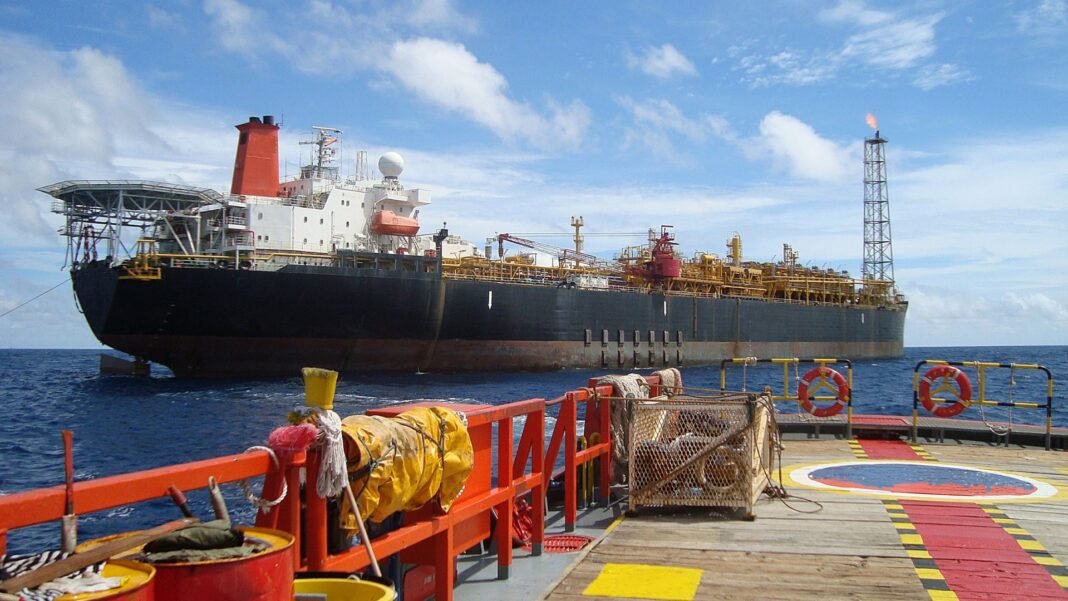
The proposed facility will operate as a Floating Storage and Regasification Unit, commonly known as an FSRU. This technology allows imported liquefied natural gas to return to its gaseous form before entering the national energy network.
Officials believe the terminal will play an important role in strengthening Iraq’s electricity sector. Reliable gas supplies remain essential because many power plants depend on natural gas to generate electricity.
The agreement builds upon earlier cooperation between Iraq’s Ministry of Electricity and the American energy company. Previous arrangements outlined plans for an FSRU capable of processing approximately 15 million cubic meters of natural gas each day.
The agreement also includes a five-year operating period with the option for future renewal. This structure provides flexibility while supporting Iraq’s long-term energy planning objectives.
Once operational, the floating terminal will supply natural gas directly to electricity generation facilities. Consequently, power stations will receive additional fuel to help improve electricity production and support rising domestic demand.
The project forms part of Iraq’s broader strategy to diversify its energy sources. Expanding access to imported natural gas reduces reliance on limited supply channels while improving overall energy resilience.
Officials continue emphasizing the importance of securing reliable fuel supplies as electricity demand increases across the country. Additional gas imports could help stabilize power generation, especially during periods of high consumption.
The total investment for the floating terminal project is estimated at approximately 450 million dollars. That figure includes the cost of constructing and deploying the floating storage and regasification unit.
Energy experts consider floating terminals an efficient solution because they require less construction time than traditional onshore import facilities. They also offer greater operational flexibility when responding to changing energy needs.
Khor al-Zubair provides a strategic location for the project due to its established port infrastructure. The coastal area already supports several industrial and energy-related operations, making it well suited for additional natural gas facilities.
Expanding gas infrastructure also supports Iraq’s broader economic development plans. Reliable electricity supplies remain essential for industrial growth, commercial activity, and improving public services nationwide.
In recent years, Iraq has introduced several initiatives to modernize its energy sector. Authorities continue investing in projects designed to strengthen electricity production while improving long-term energy sustainability.
Natural gas plays an increasingly important role within these plans because it offers a cleaner alternative to several traditional fuels. Increasing gas availability also supports more efficient electricity generation.
The floating terminal could also improve supply reliability by creating another entry point for imported natural gas. Diversified supply routes help reduce operational risks while strengthening overall energy security.
Industry observers expect the project to contribute significantly to Iraq’s future electricity capacity. Stable fuel supplies allow power plants to operate more efficiently while reducing interruptions caused by shortages.
Government officials continue working with international partners to accelerate major infrastructure developments. These partnerships provide technical expertise, investment, and operational experience for complex energy projects.
The Khor al-Zubair terminal represents another important step toward modernizing Iraq’s energy network. Large infrastructure investments remain essential as the country addresses rising electricity demand and supports economic growth.
Looking ahead, Iraq Gas projects will continue supporting national energy diversification while improving fuel availability for power generation. Successful completion of the floating terminal could strengthen electricity reliability and create a more resilient energy system for the years ahead.