



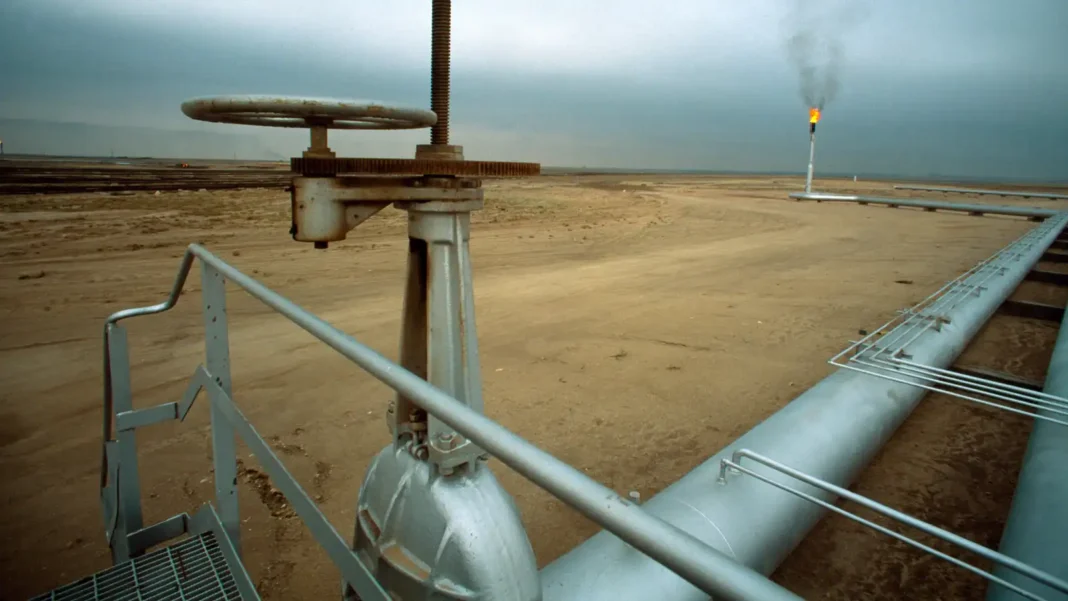
Kuwait Attacks have intensified regional tensions after missile and drone strikes damaged an important oil facility on Saturday. The latest escalation triggered emergency responses across the country while authorities assessed the impact on critical energy infrastructure. Officials also confirmed injuries among emergency personnel and workers who responded to the incidents.
Kuwait Petroleum Corporation announced that repeated Iranian attacks struck one of its oil facilities. The company reported significant damage following the assaults. However, officials continued evaluating the full extent of the destruction while emergency teams secured the affected area.
Meanwhile, Kuwait’s armed forces responded quickly after detecting incoming ballistic missiles and drones during the early hours of Saturday. Air defense units intercepted several threats before they reached additional targets. Nevertheless, falling debris and the attacks themselves created hazardous conditions around strategic locations.
Firefighters and oil sector employees rushed to the damaged facilities immediately after the strikes. Several responders suffered injuries while carrying out emergency operations. Medical teams treated the wounded as rescue crews continued securing the affected sites. Authorities have not released detailed information regarding the severity of the injuries.
The attacks came during a period of growing military tensions across the Gulf region. Consequently, security agencies increased monitoring efforts to protect critical infrastructure. Officials also reviewed emergency preparedness measures to strengthen defenses against future threats.
Iran stated that the strikes responded to recent United States military operations targeting infrastructure inside Iranian territory. According to Iranian officials, those operations hit bridges, electrical facilities, and other strategic locations. The statement linked Saturday’s attacks directly to those earlier military actions.
Earlier on Saturday, United States airstrikes reportedly targeted southern Hormozgan Province near the Strait of Hormuz. Local officials reported three deaths and eight injuries following the operation. In addition, authorities confirmed damage to two bridges and a road tunnel in the province.
Iran’s Health Ministry also released updated casualty figures covering military operations during the previous three weeks. Officials said the strikes had killed 50 people and injured more than 500 others. Those figures reflected the broader humanitarian impact of the continuing conflict.
The Islamic Revolutionary Guard Corps issued a statement defending Iran’s military response. The organization argued that continuing attacks required retaliation. Furthermore, it warned that countries supporting United States military operations in the region could face additional strikes if hostilities continue.
Later on Saturday, additional United States airstrikes reportedly targeted the same southern province. Provincial officials confirmed the attacks but reported no immediate civilian casualties from the latest operation. Authorities continued inspecting affected infrastructure while monitoring the security situation.
The Strait of Hormuz remains one of the world’s most important energy shipping routes. Therefore, any escalation near the area attracts global attention from governments and energy markets alike. Investors and regional leaders continue watching developments closely as military activity increases.
Kuwait Attacks have also renewed concerns about the vulnerability of oil infrastructure across the Gulf. Energy facilities play a critical role in global supply chains, making their protection a top priority for regional authorities. Governments continue coordinating security efforts to reduce potential risks.
Officials have not announced when repair work will conclude at the damaged facility. However, emergency teams remain on-site while engineers inspect equipment and evaluate operational safety. Authorities also continue investigating the attacks and monitoring regional developments for further security threats.
Overall, Kuwait Attacks highlight the growing security risks facing Gulf energy infrastructure as regional military tensions continue to escalate. The strikes have intensified concerns over the protection of critical oil facilities, the security of global energy supplies, and the potential for broader instability across one of the world’s most strategically important energy-producing regions.