



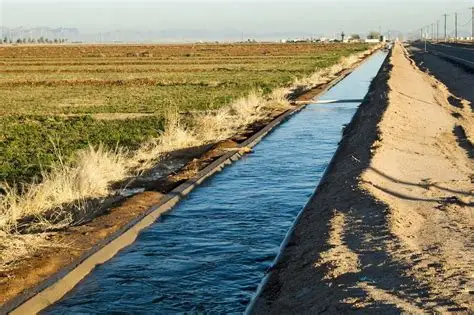
Aflaj restoration is gaining momentum in North Al Batinah after authorities approved new maintenance agreements. The agreements cover damaged groundwater systems across several areas of the governorate. Their combined value reaches OMR1.19 million, highlighting the importance of water infrastructure. The program aims to restore essential systems affected by recent weather conditions. Furthermore, the work will support farming activities and local communities that depend on these traditional water networks.
Officials signed 49 agreements covering the restoration and maintenance of 64 aflaj. The signing took place in North Al Batinah Governorate on Wednesday. The governorate’s officials attended the ceremony alongside representatives from the agriculture and water resources sector. The agreements form part of wider efforts to maintain reliable water supplies. Consequently, the restoration program could strengthen water access for agricultural areas.
The aflaj system holds major economic and social importance across Oman. These traditional groundwater channels provide water for farms and surrounding communities. They also support agricultural activity in areas that rely on consistent water supplies. Therefore, maintaining these systems remains important for local development. At the same time, effective maintenance can protect valuable water infrastructure for future generations.
The latest agreements follow damage caused by the recent Al Masarrat low-pressure system. Heavy weather conditions affected several aflaj across North Al Batinah. As a result, authorities identified damaged systems that required repair and maintenance. The restoration work will focus on returning those systems to proper operation. In addition, officials plan to strengthen infrastructure where necessary.
The wider maintenance program covers 76 aflaj across the governorate. Authorities divided the work into two main phases. The first phase will focus on repairing 12 aflaj. The second phase will address another 64 systems. This phased approach allows authorities to organize repairs according to identified needs. It also supports a more structured allocation of resources across affected areas.
The OMR1.19 million investment demonstrates the economic importance of the restoration program. Water infrastructure directly influences agricultural productivity and rural economic activity. Therefore, protecting aflaj can help maintain farming operations across North Al Batinah. It can also support families and businesses that depend on agricultural production. Moreover, functioning water systems can strengthen long-term development in local communities.
Authorities also view aflaj as an important environmental resource. Traditional water systems can support sustainable water use when communities manage them effectively. Consequently, their preservation contributes to broader environmental objectives. Maintenance can also reduce the risk of further deterioration across aging water networks. These efforts become especially important when extreme weather damages existing infrastructure.
The restoration program also reflects the importance of coordinated government action. Agriculture and water authorities must identify damaged systems and prioritize necessary repairs. They must also ensure that restoration work meets technical requirements. Meanwhile, local communities can benefit from improved water reliability. This cooperation can help protect agricultural activity while supporting sustainable resource management.
North Al Batinah contains numerous agricultural areas that depend on water availability. Farmers require dependable supplies to maintain crops and sustain their operations. Any disruption can therefore create wider economic and social challenges. For this reason, restoring damaged aflaj represents more than an infrastructure project. It also supports the stability of communities and agricultural businesses.
Aflaj restoration can also preserve an important part of Oman’s traditional water heritage. These systems have supported communities for generations and remain valuable today. Modern maintenance programs can protect their function while preserving their historical importance. As a result, investment in these systems serves both economic and cultural objectives.
The latest agreements mark another step toward strengthening water infrastructure across North Al Batinah. Authorities will continue implementing repairs through the planned phases. They will also monitor the condition of affected systems during the restoration process. Ultimately, the program aims to restore reliable water flows and support local agriculture. It also reinforces the importance of protecting essential resources for communities across the governorate.