



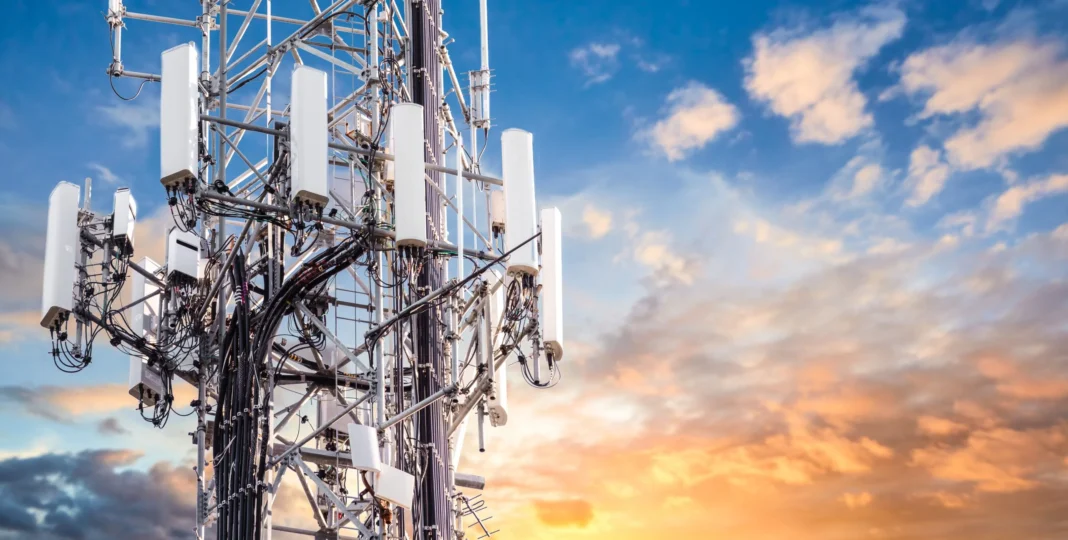
Oman mobile subscriptions reached more than 8.3 million by the end of June 2026. The total increased as demand for telecommunications services continued to grow.
The number reached 8,324,406 subscriptions during the period. That represented a 1.3 percent increase compared with June 2025.
Meanwhile, customer preferences continued to shift between different mobile services. Postpaid subscriptions recorded notable growth during the year.
Active postpaid subscriptions increased 6.2 percent to 1,313,837. The rise suggests stronger demand for longer-term mobile service plans.
However, prepaid subscriptions moved in the opposite direction. Active prepaid subscriptions declined 2.1 percent to 5,305,401.
The contrasting figures show changes within Oman’s mobile communications market. More customers may have moved toward postpaid plans during the period.
Internet of Things services also recorded strong growth across the telecommunications sector. Machine-to-machine subscriptions increased 9.3 percent year over year.
The number of IoT M2M subscriptions reached 1,705,168 by June. Connected devices therefore continued to contribute to the expanding digital economy.
Meanwhile, mobile broadband services posted modest growth. Active mobile broadband subscriptions increased 0.3 percent to 5,534,086.
The small increase reflects the mature nature of Oman’s mobile internet market. Nevertheless, mobile broadband remains a major connectivity service.
Fixed broadband services also recorded gradual growth during the period. Active fixed broadband subscriptions reached 591,630.
That represented a 0.5 percent increase compared with the previous year. However, individual fixed broadband technologies showed significantly different trends.
Fiber connections continued to gain momentum across the market. FTTH and FTTH/B subscriptions increased 7.4 percent to 364,487.
The strong fiber growth highlights continuing demand for faster home internet connections. Businesses and households increasingly require reliable high-speed connectivity.
At the same time, fixed 5G subscriptions declined during the period. The number fell 2.5 percent to 210,125 subscriptions.
Fixed 4G experienced a much sharper decline. Subscriptions dropped 73 percent to only 5,666.
ADSL connections also continued their long-term decline. The number of subscriptions fell 20.9 percent to 8,933.
Meanwhile, satellite broadband recorded the fastest growth among fixed internet technologies. Subscriptions surged 134.3 percent to 1,696.
Although the total remains relatively small, the increase highlights rising demand for alternative connectivity options. Satellite services can support areas with limited traditional infrastructure.
The fixed-line telephone market also posted modest growth. Active fixed telephone subscriptions increased 0.2 percent to 439,829.
The latest figures point to gradual changes across Oman’s telecommunications landscape. Traditional services continue to decline in some areas.
At the same time, newer technologies are gaining greater importance. Fiber, IoT, and satellite services all recorded notable increases.
International internet capacity also expanded significantly during the period. Bandwidth increased 31.8 percent to 5.382 million Mbps.
The expansion provides greater capacity for international digital traffic. It can also support growing demand from businesses and consumers.
Higher international bandwidth could strengthen Oman’s digital infrastructure. Furthermore, it may support cloud services, digital platforms, and other online activities.
The telecommunications figures also highlight the country’s broader digital transformation. Consumers increasingly depend on mobile and broadband connections for daily activities.
Businesses similarly require reliable networks for operations and communication. Therefore, telecommunications infrastructure remains important for economic development.
Oman mobile subscriptions continued to grow despite weaker prepaid demand. The overall increase also reflects stronger postpaid and IoT activity.
However, the market remains highly dynamic. Customers continue shifting between technologies as newer services become available.
Fiber growth could remain particularly important in the coming years. Meanwhile, declining legacy services may continue as digital alternatives expand.
IoT growth could also create new opportunities for telecommunications companies. Connected devices can support logistics, industry, smart cities, and other applications.
International bandwidth expansion provides another important development. Greater capacity can help Oman accommodate increasing digital traffic.
Overall, Oman mobile subscriptions reached a new level by June 2026. The latest figures show steady growth across several emerging telecommunications services.
Oman’s telecommunications market therefore continues to evolve toward faster and more connected technologies. Future growth will likely depend on digital adoption and infrastructure investment.