



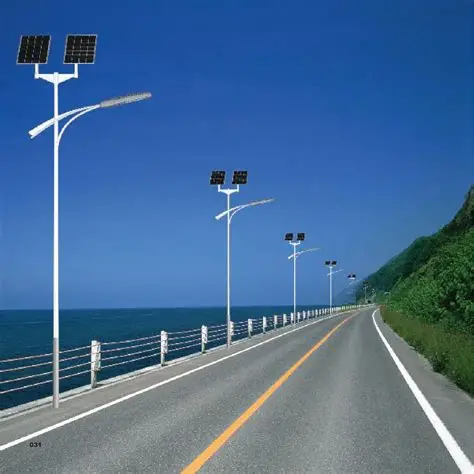
Muscat is advancing its clean energy agenda as solar street lights enter new development planning in Oman. The Ministry of Transport Communications and Information Technology invited local companies to submit proposals for solar-powered lighting projects. Officials aim to improve energy efficiency across major highways and urban roads while supporting long-term infrastructure modernisation.
The ministry also seeks to reduce maintenance costs and strengthen environmental sustainability through this initiative. The project targets major road networks across the country and focuses on creating a more efficient public lighting system. Authorities expect the transition to improve both operational performance and environmental outcomes.
Engineers will design systems that use photovoltaic panels to capture sunlight during the day. These systems will convert solar energy into electricity for nighttime illumination. This approach allows roads to remain well lit without relying heavily on traditional electrical grids. As a result, solar street lights continue gaining attention as a practical infrastructure solution.
Solar technology continues expanding across global infrastructure projects, and Oman is now joining this growing trend. Solar street lights reduce dependence on conventional power sources and help lower long-term energy consumption. They also limit installation disruption because they do not require extensive underground wiring or complex grid connections.
In addition, solar street lights support long-term cost savings for public infrastructure projects. Maintenance teams expect longer operational lifespans compared to older lighting systems. Modern designs often integrate LED components that provide stronger brightness while using less energy. These improvements increase both efficiency and durability.
The ministry encourages private sector participation to accelerate implementation and maintain high technical standards. Solar technology also supports national climate goals and energy diversification strategies. Policymakers view this transition as part of a broader effort to modernise infrastructure and reduce reliance on traditional energy sources.
Experts highlight that solar energy will play a major role in future electricity production worldwide. The concept of solar street lights fits within the global transition toward renewable energy systems. The initiative also focuses on reducing carbon emissions from public lighting networks across major roads.
Solar street lights represent a significant step toward more sustainable transport corridors in Oman. Officials believe the initiative will improve road safety and visibility during nighttime travel. They also expect reduced operational spending over the system’s full lifecycle, which strengthens its economic value.
Overall, the programme positions Oman as a regional leader in clean infrastructure development while reinforcing the importance of renewable energy adoption.