



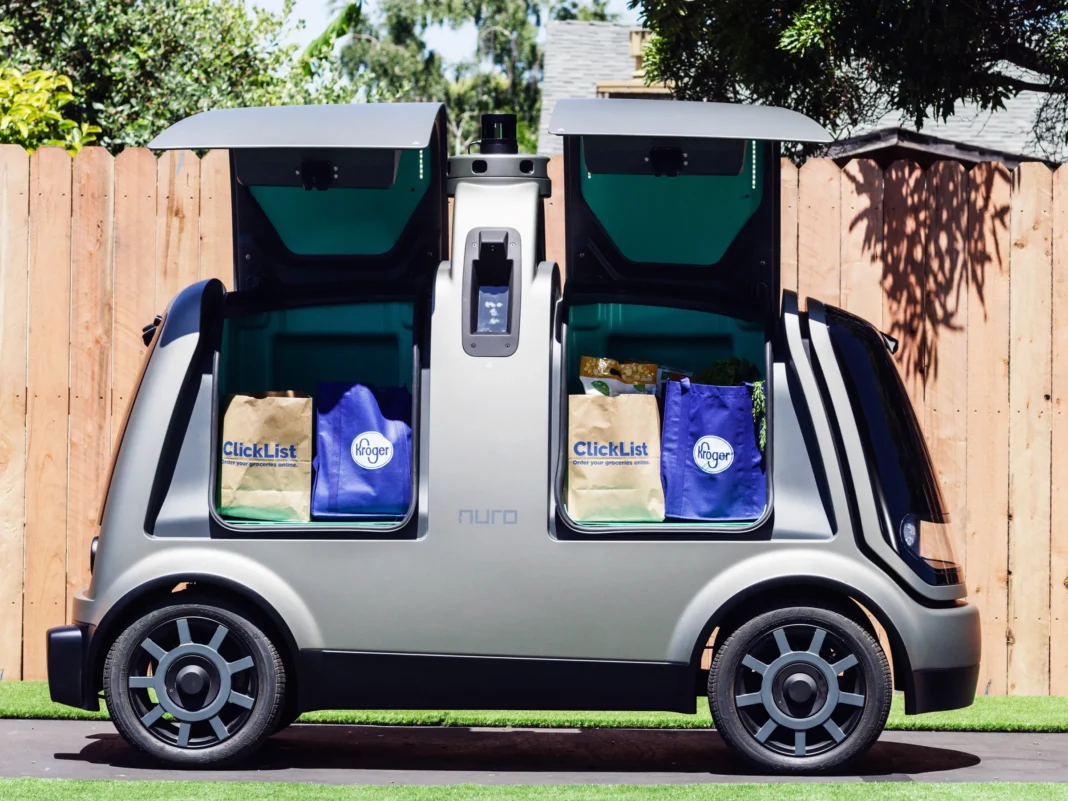
Riyadh robot deliveries have entered a new phase as Saudi Arabia launches its first autonomous delivery vehicle pilot. The initiative introduces Level 4 self-driving technology into selected delivery operations. Moreover, authorities expect the technology to significantly reduce costs across the delivery sector. The project also supports wider efforts to modernize Saudi Arabia’s transport and logistics infrastructure.
The Transport General Authority launched the pilot in Riyadh as part of its technology adoption strategy. Initially, operators will run the autonomous vehicles within a designated area. The selected zone sits in the Al-Falah district of the Saudi capital. Consequently, the pilot provides authorities with a controlled environment for testing autonomous deliveries.
Customers will place their orders through electronic platforms during the delivery process. Afterward, operators will load the orders into the autonomous vehicles. The vehicles will then travel independently toward the designated recipient. This process could streamline deliveries while reducing the need for conventional driver-based operations.
The vehicles rely on Level 4 autonomous driving technology for their operations. They also use sensors that provide coverage across 360 degrees around each vehicle. Furthermore, the technology allows the vehicles to navigate their operating areas without continuous human control. Remote teams will monitor operations from a dedicated control center.
Operators can track the vehicles in real time throughout each delivery. The system also includes emergency functions that allow vehicles to stop immediately. Therefore, operators can respond quickly if unexpected conditions arise. These safeguards form an important part of the pilot’s operational framework.
The authority expects the electric vehicles to deliver substantial cost advantages. Officials estimate that the technology could reduce delivery costs by as much as 85 percent. Such savings could benefit businesses that manage large volumes of deliveries. Additionally, lower operating costs could encourage wider adoption of autonomous delivery services.
The electric vehicles also offer environmental benefits during daily operations. They produce no direct carbon emissions while operating. Moreover, the vehicles could help reduce noise levels on city streets. These advantages support Saudi Arabia’s broader focus on cleaner and smarter urban transport.
The pilot also reflects the Kingdom’s growing interest in advanced transport technologies. Saudi authorities continue exploring digital solutions across logistics and mobility services. Meanwhile, autonomous systems could become increasingly important as delivery demand expands. Rising e-commerce activity may further increase the need for efficient last-mile solutions.
For now, the project remains limited to its designated operating area. Authorities have not announced the number of vehicles taking part. They also have not confirmed when the pilot could expand to other districts. Therefore, the initial phase will likely provide important operational data before wider deployment.
The pilot could eventually offer valuable insights into autonomous delivery performance. Authorities can assess reliability, safety, operating costs, and customer experience during the trial. Furthermore, real-world testing can identify challenges that developers must address. These findings could influence future decisions about expanding autonomous delivery services.
The project also creates potential opportunities for logistics companies and technology providers. Businesses could eventually integrate autonomous vehicles into their existing delivery networks. At the same time, regulators can develop operating standards based on practical experience. This combination could support the gradual growth of autonomous transport across Saudi cities.
Riyadh robot deliveries also fit into the Kingdom’s broader technology transformation. Saudi Arabia continues investing in digital infrastructure and innovative mobility solutions. Consequently, autonomous transport could play a larger role in future urban services. The current pilot represents an early step toward that potential future.
As the trial progresses, authorities will monitor its operational performance closely. They will also evaluate how effectively the vehicles handle real delivery conditions. In addition, customer responses could help determine the technology’s wider commercial potential. These factors will shape any future expansion plans.
Overall, Riyadh’s autonomous delivery pilot introduces a new approach to last-mile transportation. The project combines electric vehicles, advanced sensors, remote monitoring, and autonomous driving. Meanwhile, authorities hope the system can deliver major cost and environmental benefits. Further testing will determine whether the model can support broader deployment across Saudi Arabia.