



UAE tourism to Nepal remains steady despite devastating floods that have caused widespread damage across several areas. Travel agents in the UAE report that most customers continue with their travel plans. Demand remains supported by religious, cultural, and leisure tourism, while travellers adjust itineraries according to local safety conditions.
Travel companies in the UAE say they have not seen significant cancellations following the disaster. Many UAE travellers visit Nepal for religious and cultural purposes rather than trekking. Therefore, the recent disruption has had a limited effect on overall demand. Travel agents also say tourists continue to show interest in Kathmandu and Pokhara. Meanwhile, travellers are adjusting their plans based on local conditions and safety guidance.
Avinash Adnani, managing director of Neo Travels and Tourism, said demand from the UAE remains stable. He noted that most UAE visitors do not travel to Nepal for trekking activities. Consequently, the affected trekking areas have not significantly changed their travel plans. He also said agents have not received major cancellation requests from UAE customers. According to travel agents, many travellers view the flooding as a limited regional event.
Adil Tanrıverdi, CEO of Tripventura Tourism, also reported continued demand from UAE travellers. He said weather conditions have caused temporary delays and some route changes. However, direct flights between the UAE and Nepal continue to operate. Travel companies are managing itineraries while monitoring changing conditions. Travellers have also shown flexibility when adjusting their schedules.
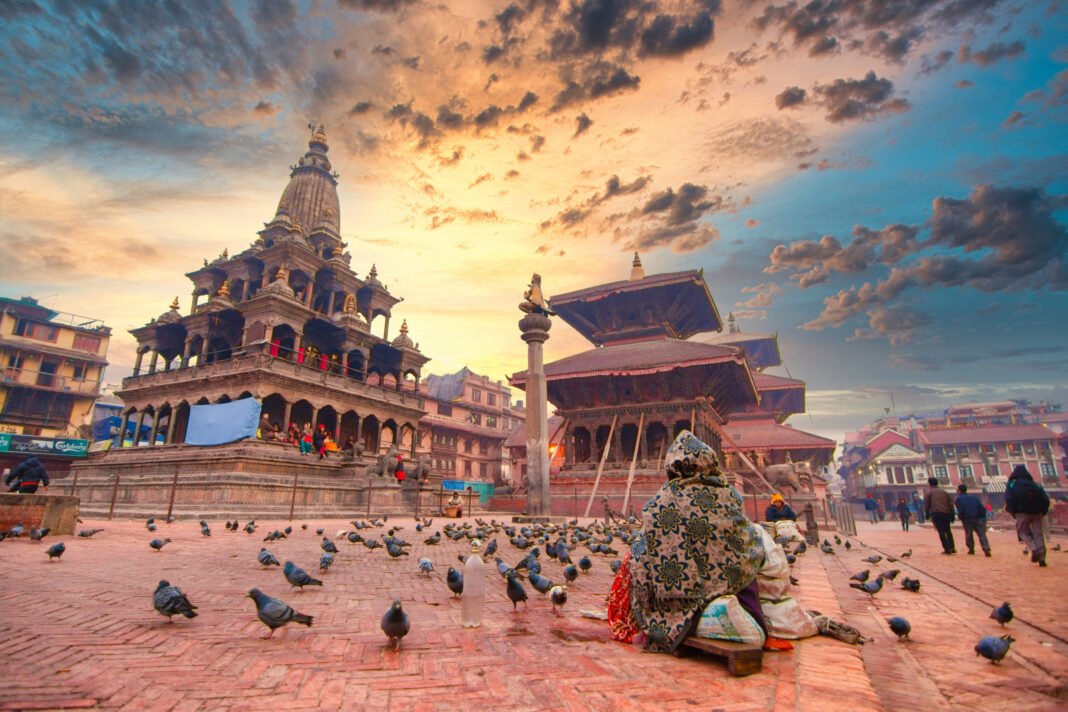
Many visitors are now focusing on cultural attractions and luxury accommodation. Others are choosing indoor activities or sightseeing in safer valley areas. Kathmandu and Pokhara remain among the destinations attracting interest from UAE travellers. Furthermore, flexible itineraries allow tourists to adjust plans when local conditions change. Travel companies continue to advise passengers to monitor safety updates before visiting affected areas.
The floods began on August 26 after severe weather triggered flash floods and mudslides. The disaster affected river basins near Nepal’s border with Tibet. Several districts experienced serious damage, including Rasuwa, Nuwakot, Dhading and Gorkha. Tanahun, Nawalparasi and Chitwan also experienced the impact. The flooding damaged infrastructure and disrupted transport links across affected areas.
The disaster also damaged the Gyirong Port complex near the Nepal-Tibet border. The facility plays an important role in trade and tourism connections with China. The disruption has particularly affected trekking activities and cross-border tourism. However, authorities have emphasized that Nepal remains open to international visitors. They have also encouraged tourists to avoid affected areas and follow local guidance.
Nepal’s tourism authorities reported hundreds of tourists remained unaccounted for following the disaster. Most of those travellers had taken part in trekking expeditions. Foreign nationals from several countries also faced difficulties after the floods. Rescue teams and authorities continued efforts to locate missing people and assess damage. Meanwhile, the government has worked to maintain access to unaffected tourist destinations.
UAE travel demand has remained resilient despite the disruption. Travel agents say customers continue to ask about flights, accommodation and alternative itineraries. Some travellers have changed destinations within Nepal rather than canceling their trips completely. This approach allows visitors to avoid areas facing transportation or safety problems. It also supports continued tourism activity in unaffected locations.
Airlines operating between the UAE and Nepal have continued scheduled services. Travel companies are coordinating with carriers when passengers need itinerary changes. Airlines have also offered options for travellers affected by delays or changing conditions. These measures include date changes, flexible rebooking and updated flight information. As a result, passengers have more options when adjusting their travel schedules.
The continued UAE tourism demand highlights Nepal’s importance as a regional travel destination. Religious tourism remains an important reason for many UAE-based visitors. Cultural attractions, hospitality and scenic destinations also support demand. Meanwhile, trekking visitors may face greater disruption because of damaged routes and infrastructure.
Travel agents expect passengers to remain cautious while conditions develop. They also recommend checking transportation updates before departing for Nepal. Travellers should remain flexible when planning visits to affected regions. At the same time, unaffected destinations can continue welcoming international visitors.
Overall, Nepal continues to attract travellers from the UAE despite the recent disaster. The flooding has created major challenges for some tourism areas. However, UAE travel demand has remained relatively stable. Flexible itineraries and continued flights are helping travellers manage changing conditions. Therefore, Nepal’s tourism sector continues to serve UAE visitors while recovery efforts progress.