



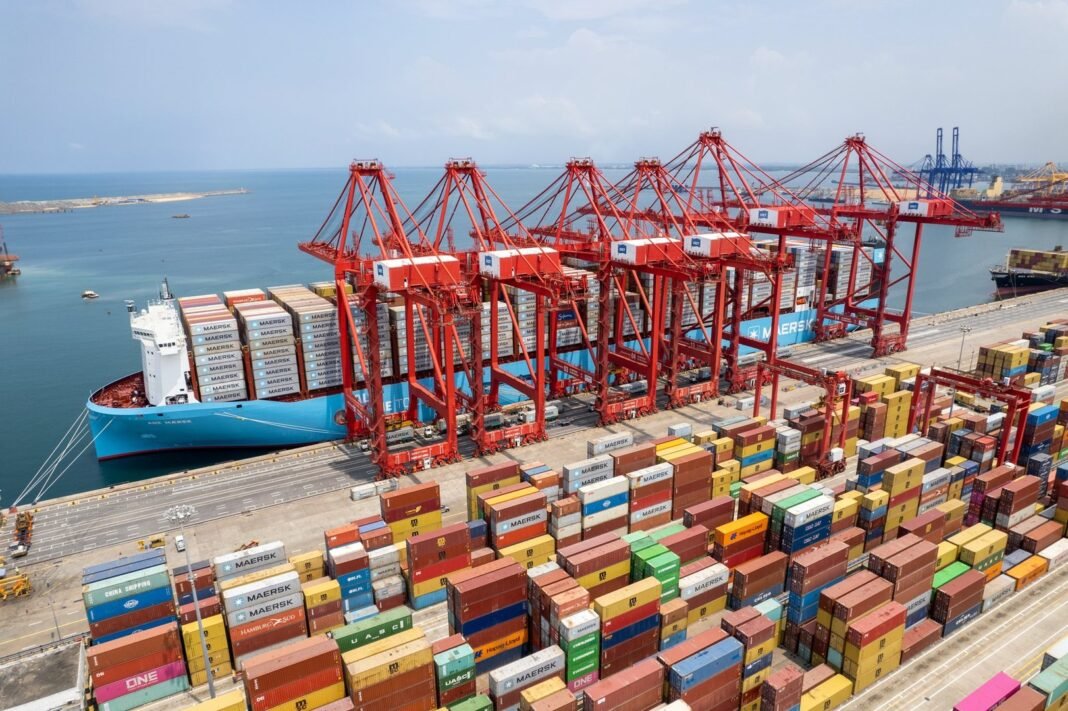
Kuwait exports of non-oil products reached about KD1.04 billion during the first half of 2026. The strong performance highlights the expanding reach of Kuwaiti goods. Products reached markets across the Gulf, Europe, Asia, Africa, and the Americas.
Kuwait issued 9,768 certificates of origin for non-oil products during the six-month period. These certificates supported shipments to various regional and international destinations. Meanwhile, Gulf countries remained the largest destination for Kuwaiti products.
GCC markets received 8,523 certificates of origin during the first half. Exports to those markets reached approximately KD563.1 million. Therefore, Gulf countries accounted for the largest share of Kuwait’s non-oil trade.
The figures also underline the importance of regional markets for Kuwaiti manufacturers. Businesses continue to rely on nearby countries for a significant portion of their exports. Moreover, strong Gulf demand provides local producers with access to established commercial networks.
European markets ranked second in terms of export value during the period. Kuwait issued 45 certificates for shipments to European destinations. Those exports reached approximately KD440.9 million.
Although Europe received fewer certificates, its export value remained substantial. The figures indicate significant shipments across a relatively small number of transactions. Consequently, European markets represented an important destination for Kuwaiti producers.
Arab and Islamic markets ranked third based on the number of certificates issued. Kuwait issued 1,164 certificates for exports to these destinations. The total value of those shipments reached approximately KD57.5 million.
At the same time, Kuwaiti products reached markets across the Americas. Exporters received 16 certificates for shipments to those destinations. The combined value reached around KD547,200 during the first half.
Kuwaiti businesses also shipped products to Asia and Australia. Authorities issued 15 certificates for those markets. The shipments carried a combined value of approximately KD1.2 million.
Africa recorded five certificates during January and February. Those shipments reached approximately KD20.2 million in value. However, exports to African markets stopped from early March through June.
The interruption followed the regional conflict and the subsequent closure of the Strait of Hormuz. The disruption affected trade routes connecting Kuwait with international destinations. Consequently, exporters faced additional challenges when reaching African markets.
Despite those challenges, Kuwait exports maintained a broad geographical presence. Kuwaiti products continued reaching customers across several major global regions. The diverse destination base also reflects the growing range of local manufacturing capabilities.
Kuwaiti factories produce a wide variety of goods for international markets. Their products include liquid gases, food items, and polyethylene. Manufacturers also export organic solvents and various refined oil products.
Other exported products include empty cardboard boxes and white solvent. Mineral oil liquids also form part of the country’s non-oil export portfolio. Medical oxygen, dairy products, and empty glass bottles also reach foreign markets.
Copper rods represent another product category within Kuwait’s export mix. This variety demonstrates the breadth of the country’s industrial production. It also highlights opportunities for further expansion beyond the oil sector.
The latest figures support Kuwait’s efforts to strengthen economic diversification. Expanding non-oil exports can help local businesses reach additional customers. Furthermore, broader international trade can create new opportunities for domestic manufacturers.
GCC markets remain particularly important for that strategy. Their proximity provides Kuwaiti companies with easier access to regional consumers. Strong trade relationships also help exporters build long-term commercial connections.
However, the significant value of European shipments shows the potential beyond nearby markets. Kuwaiti manufacturers can reach distant destinations when products meet international demand. Therefore, export diversification could support further growth in the coming years.
The number of certificates also provides an indication of export activity. More than 9,700 certificates covered shipments during the first six months. That activity demonstrates the scale of Kuwait’s international non-oil trade.
Meanwhile, manufacturers continue operating across several industrial categories. Their products serve consumer, industrial, medical, construction, and energy-related markets. This diversity reduces reliance on a narrow group of export products.
Kuwait exports could gain further momentum as companies expand their international presence. New markets could provide additional opportunities for manufacturers and exporters. At the same time, stronger regional connections could support more consistent trade flows.
Infrastructure and logistics will remain important for future export growth. Efficient shipping routes can help Kuwaiti businesses compete more effectively overseas. However, regional disruptions can quickly affect international trade and delivery schedules.
The first-half figures therefore provide both positive and challenging signals. Export values remained strong across several destinations. Yet, disruptions demonstrated the importance of reliable regional trade routes.
Overall, Kuwait’s non-oil export sector continues to show significant international potential. Gulf countries remain the leading destination for Kuwaiti products. Europe also provides an important market based on export value.
The wide range of exported goods further strengthens Kuwait’s diversification efforts. Local factories already serve customers across multiple continents. As a result, Kuwait exports have established a growing presence beyond traditional energy markets.
The performance during the first half could encourage further efforts to expand non-oil trade. Manufacturers may continue seeking new customers and strengthening existing relationships. Meanwhile, policymakers can support exporters through improved trade infrastructure and market access.
Kuwait’s export figures ultimately highlight the growing role of non-oil products. Regional demand remains strong, while international markets offer additional opportunities. With continued diversification, Kuwaiti manufacturers could further expand their global reach.

