



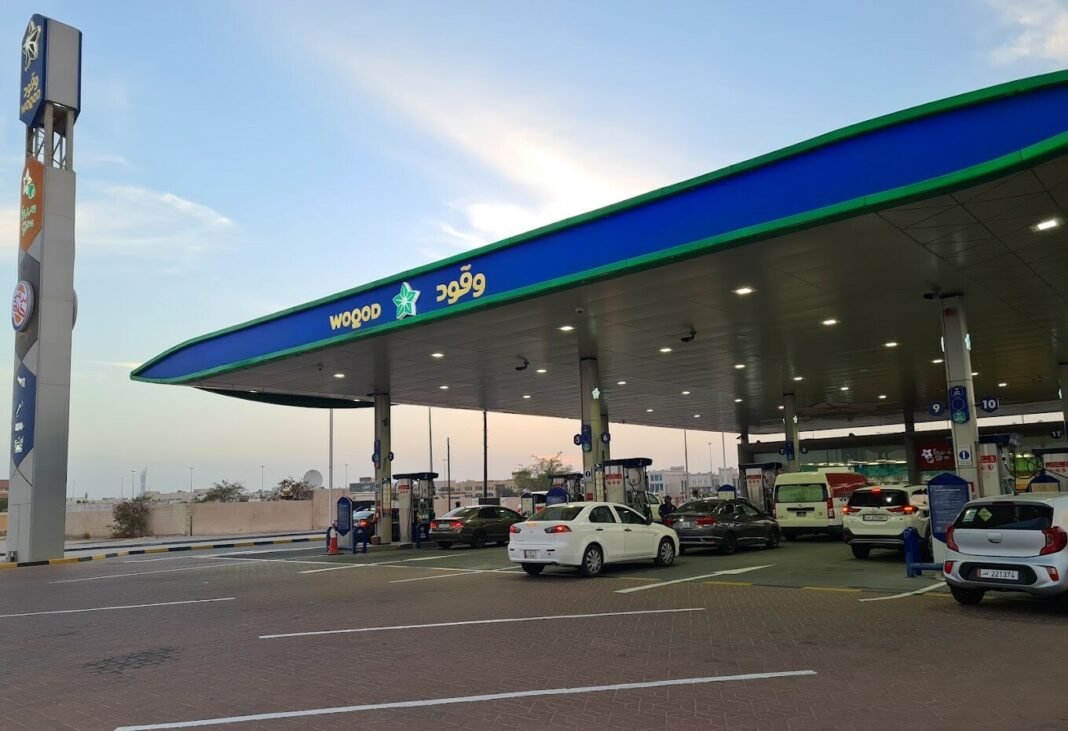
UAE fuel prices will rise again in September, increasing costs for motorists and businesses across the country. The new rates will take effect on September 1, 2026. All three main petrol grades will increase by Dh0.20 per litre, while diesel will record a larger increase of Dh0.50 per litre.
Super 98 petrol will increase to Dh3.80 per litre from Dh3.60 in August. Special 95 petrol will rise to Dh3.69 from Dh3.49. Meanwhile, E-Plus 91 will cost Dh3.61 per litre, compared with Dh3.41 previously. Diesel prices will reach Dh4.30 per litre from Dh3.80.
The latest UAE fuel prices represent another increase after rates declined during July. Prices had climbed for four consecutive months before the July reduction. However, the upward trend returned in August and continued into September. The latest adjustment will therefore add further costs for regular fuel users across the country.
Under the September pricing structure, Super 98, Special 95, and E-Plus 91 will each increase by Dh0.20 per litre. Diesel will rise by Dh0.50 per litre. Therefore, diesel users will face the largest increase among the main fuel categories. The change could have a stronger effect on commercial and transport operators.
The latest increases come amid continued uncertainty across regional energy markets. The conflict that began in late February has contributed to significant changes in energy costs. International oil prices can influence refined fuel prices. Consequently, global energy developments can eventually affect retail fuel rates in the UAE.
Fuel costs have increased considerably since the beginning of the regional conflict. Retail rates climbed by more than 60 percent before prices declined in July. August then brought another increase, reversing part of the earlier reduction. September’s adjustment adds further pressure after several months of significant price movements.
Regional developments continue creating uncertainty for energy markets. A 60-day ceasefire agreement involving the United States and Iran has expired. Washington has indicated that it does not plan to extend the agreement. Meanwhile, Tehran has threatened further escalation amid continuing regional tensions.
At the same time, attacks on energy infrastructure in the Red Sea have created additional concerns. Any disruption involving oil production, transportation, or shipping could influence international energy prices. Markets therefore continue monitoring developments across major oil-producing regions and important global shipping routes.
The latest UAE fuel prices could also affect household budgets. Fuel represents a regular expense for millions of residents and businesses. Therefore, higher pump prices can reduce disposable income for other spending. The effect can become more noticeable for motorists who refuel frequently or travel long distances.
Businesses could also face higher operating costs following the latest adjustment. Transport companies, delivery services, logistics operators, and other fuel-dependent businesses may experience additional pressure. Companies could review their operating expenses as fuel costs rise. Some businesses may also pass part of the additional costs to customers.
For individual motorists, the financial impact will depend on vehicle type and driving habits. Drivers covering longer distances will generally face higher monthly fuel expenses. Larger vehicles may also consume more fuel. However, the actual increase will vary according to individual consumption and monthly driving patterns.
The September increase highlights the importance of monitoring monthly fuel announcements. UAE fuel prices can change as international market conditions evolve. Therefore, motorists and businesses may continue following global oil prices and regional developments for potential signals about future adjustments.
Higher fuel prices could also influence transportation and delivery costs. Businesses that rely heavily on road transport may need to account for increased fuel expenses. This could affect operating margins and pricing decisions across logistics, retail, construction, and other fuel-intensive industries.
The diesel increase could be particularly important for commercial operators. Trucks, buses, construction equipment, and other heavy vehicles often depend on diesel. A Dh0.50 increase per litre could therefore create a larger financial impact for companies with high fuel consumption.
Overall, September brings higher petrol and diesel costs across the UAE. Petrol grades will each rise by Dh0.20 per litre, while diesel will increase by Dh0.50. The changes follow several months of fluctuations in the domestic fuel market and continued volatility across global energy markets.
For households and businesses, the latest increase could require additional budget planning. Motorists may also pay closer attention to fuel consumption when managing monthly expenses. Meanwhile, developments in regional security, global oil supply, and international shipping will remain important factors for future energy prices.
The September adjustment shows how international developments can influence local fuel costs. As regional tensions continue, energy markets could remain sensitive to new developments. Consequently, future UAE fuel prices may continue to reflect changes in global oil markets and wider regional energy conditions.

