



UAE Billionaires reached 59 in 2025, with their combined wealth reaching $201 billion. The figures place the country among the world’s leading billionaire markets. However, the number of billionaires declined slightly during the year. The UAE recorded a 1.9 percent annual decline in its billionaire population. Despite that decrease, total billionaire wealth remained substantial at $201 billion. Consequently, the country maintained a strong position within the global wealth landscape.
The UAE ranked 14th worldwide by billionaire population during 2025. Saudi Arabia ranked ahead with 68 billionaires and combined wealth of $175 billion. Meanwhile, the UAE represented around 1.4 percent of the global billionaire population. The global billionaire population reached 3,795 individuals during the year. Their combined fortune climbed to approximately $15.1 trillion. Therefore, UAE billionaires accounted for around 1.3 percent of global billionaire wealth.
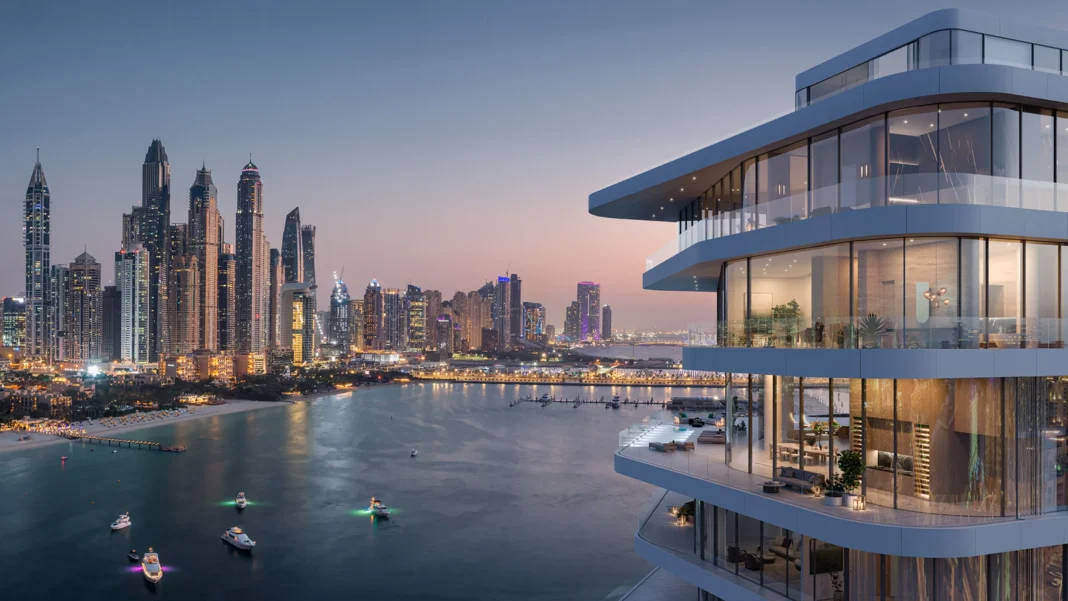
Dubai also strengthened its position among the world’s leading cities for billionaire residents. The emirate counted 43 billionaires during 2025. That figure represented an increase of two people compared with the previous year. Dubai ranked eighth globally alongside Shenzhen by billionaire population. Several major financial and business centres ranked ahead of the two cities. New York, Hong Kong, San Francisco, London, Singapore, Los Angeles, and Beijing led the rankings.
Dubai’s growing wealth base reflects several factors within its business environment. The city offers extensive financial services and strong international business connections. Furthermore, its lifestyle infrastructure continues attracting wealthy individuals from different regions. Global capital mobility has also influenced the distribution of billionaire wealth. Wealthy entrepreneurs increasingly choose cities that provide strong commercial networks. In addition, access to financial services can support business expansion and investment.
The wider Middle East also experienced growth in its billionaire population. The regional total increased by 5 percent to 254 individuals in 2025. However, regional billionaire wealth declined during the same period. Middle Eastern billionaires collectively held around $700 billion in 2025. That figure represented a 4 percent decline from the previous year. Weaker energy prices contributed to pressure across several regional markets.
Oil prices ended 2025 almost 20 percent lower than the previous year. That decline marked the largest annual drop since 2020. Meanwhile, weaker regional equity markets also affected billionaire fortunes. Nevertheless, economic diversification continued supporting wealth creation across the UAE and Saudi Arabia. Large infrastructure programmes attracted capital and encouraged new business opportunities. Non-oil sectors also continued expanding across both economies.
Globally, billionaire numbers reached a record level during 2025. The population increased by 8.2 percent to 3,795 individuals. Their combined wealth also grew by 12.8 percent to $15.1 trillion. The United States remained the largest billionaire market worldwide. It counted 1,265 billionaires during the year. China followed with 363, while Germany ranked third with 221 billionaires. The top 15 billionaire markets controlled approximately 83 percent of global billionaire wealth.
Artificial intelligence also emerged as an important driver of billionaire wealth. Companies investing significantly in AI recorded stronger market value growth. Their market capitalisation increased 23 percent more than non-AI peers during 2024 and 2025. Technology investment therefore played an increasingly important role in global wealth creation. AI-related business growth boosted valuations across several major companies. Consequently, entrepreneurs and investors with technology exposure benefited from rising company values.
Wealth concentration also increased among the world’s richest individuals. The 29 billionaires with fortunes above $50 billion held $4.1 trillion collectively. Their combined wealth represented approximately 27 percent of all billionaire wealth. That share stood at only 7.2 percent in 2017. The sharp increase shows how wealth has become increasingly concentrated among the richest individuals. Company ownership remains a major reason behind that trend.
Most billionaire wealth remains tied to business ownership rather than cash holdings. Around 73 percent of the average billionaire portfolio involves company stakes. These holdings include both publicly traded and privately owned businesses. Liquid assets represent roughly one-quarter of typical billionaire portfolios. Therefore, changes in company valuations can significantly affect personal fortunes. Stock market movements can also quickly change billionaire rankings.
International mobility remains another defining feature of global wealth. Around one in five billionaires lives outside their birth country. Their main businesses also operate in their adopted countries. For the UAE, this trend highlights its appeal as an international wealth centre. Dubai continues attracting entrepreneurs, investors, and high-net-worth individuals from around the world. The city’s business infrastructure supports its growing role within global wealth networks.
The UAE Billionaires figures therefore highlight both resilience and changing wealth patterns. Although the population declined slightly, total wealth remained exceptionally high. At the same time, Dubai expanded its presence among leading billionaire cities. Looking ahead, diversification, technology, investment, and capital mobility could shape future wealth growth. The UAE’s expanding non-oil economy may continue attracting international wealth. Meanwhile, global markets will remain crucial to billionaire fortunes.

