



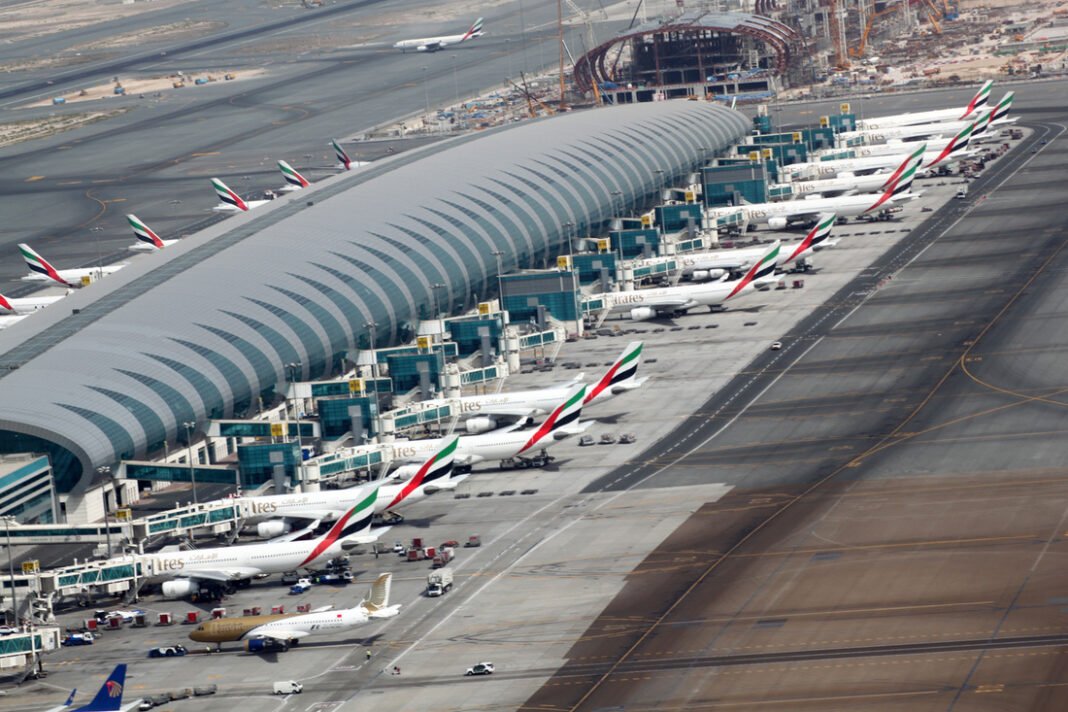
The ICAO Iran Attacks decision has highlighted growing concerns over aviation safety across the Middle East. The international aviation body condemned attacks against the UAE and other Gulf countries. It also warned that the strikes created serious risks for international air transport.
The International Civil Aviation Organisation Council issued its condemnation during its 237th session. Regional countries submitted a joint working paper supporting the decision. Bahrain, Egypt, Jordan, Kuwait, Morocco, Oman, Qatar, Saudi Arabia, and the UAE backed the submission.
The Council addressed attacks that Iran carried out against Gulf countries and Jordan. Those attacks began on February 28, 2026, according to the Council’s decision. The strikes involved missiles and unmanned aerial systems across the region.
Consequently, the attacks created significant concerns for civilian aviation and international flight routes. Several affected countries needed emergency measures to protect passengers and aircraft. These measures included airspace closures and changes to established flight routes.
The Council said the attacks violated international aviation rules and principles. It specifically referenced the Convention on International Civil Aviation. The Council also linked the attacks to obligations under the United Nations Charter.
Furthermore, the Council highlighted the importance of national control over sovereign airspace. Article 1 of the Chicago Convention establishes each country’s complete authority over its airspace. The Council said the attacks represented a serious breach of that principle.
Unmanned aerial systems also created additional risks for major international air corridors. The presence of drones and missiles increased the potential for severe aviation incidents. Therefore, authorities faced pressure to protect aircraft operating through regional airspace.
The resulting restrictions affected international air transport operations across the Middle East. Airlines needed to adjust routes and manage changing airspace conditions. Meanwhile, passengers faced potential delays, cancellations, and longer journeys.
The Council also referred to United Nations Security Council Resolution 2817. That resolution addressed attacks against civilians and civilian infrastructure. It specifically included airports among the facilities affected by the violence.
The ICAO decision therefore placed aviation safety at the centre of international concerns. It also reinforced the need for countries to protect civilian air operations. Additionally, the decision supported stronger cooperation among regional aviation authorities.
UAE officials welcomed the Council’s decision and highlighted its international significance. Abdulla bin Touq Al Marri described the move as an important international response. He also serves as the UAE’s Minister of Economy and Tourism.
Al Marri said the decision reinforced respect for airspace sovereignty and international law. He also emphasized the importance of collective action against threats to civilian aviation.
Meanwhile, Saif Mohammed Al Suwaidi stressed the UAE’s focus on aviation safety. He serves as Director-General of the UAE General Civil Aviation Authority. He said regional authorities continue coordinating to maintain stable air operations.
That coordination aims to support the safe and orderly movement of aircraft. Authorities also continue working to meet high safety standards across the aviation sector.
Saeed Al Suwaidi, the UAE’s permanent representative to ICAO, also welcomed the decision. He described the outcome as evidence of regional cooperation. He further emphasized the importance of coordinated action within the international aviation organisation.
The decision also demonstrated unity among several Arab countries. Those governments jointly raised concerns about threats affecting civilian aviation. As a result, the issue gained broader attention within the international aviation framework.
The ICAO Iran Attacks decision could influence discussions about aviation security across the region. Governments and aviation authorities may continue strengthening coordination around potential threats. Airlines could also remain cautious when planning routes through affected areas.
For passengers, aviation security remains the primary concern during periods of regional instability. Airlines must constantly assess airspace conditions before operating flights. Therefore, changing security conditions can quickly influence schedules and routes.
The ICAO Iran Attacks condemnation also reinforces the importance of protecting civilian infrastructure. Airports and international air corridors play essential roles in regional connectivity. Any threat to those facilities can create wider consequences for global aviation.
The Council’s action sends a strong message about protecting international aviation standards. It also underlines the importance of respecting national airspace sovereignty. Going forward, regional authorities will likely maintain close coordination to protect civilian air traffic.

